Introduction to Robotic Lawn Mowers
Robotic lawn mowers are innovative devices designed to automate the task of grass cutting, making lawn maintenance easier for homeowners. These mowers operate on a set schedule, utilizing built-in sensors and GPS technology to navigate through various terrains without human intervention. They can efficiently cut grass while returning to their charging stations when the job is complete or when battery levels are low. Growing in popularity, these autonomous machines are particularly appealing to homeowners seeking convenience and a well-maintained yard without the associated labor.

- Wire-Free Robotic Lawn Mower with LiDAR Navigation – GOAT A2000 LiDAR PRO is a wire-free robotic lawn mower that require…
- Built-In Edge Trimming for Clean Borders – Unlike standard robot lawn mowers, this model features an integrated TruEdge …
- High-Power 32V Platform for Thick Grass – Designed for American lawns with Bermuda, Zoysia, Fescue, and St. Augustine gr…
The technology behind robotic lawn mowers has advanced significantly in recent years, allowing them to provide cleaner cuts and more precise landscaping. Equipped with multiple cutting blades, adjustable cutting heights, and sometimes even weather sensors, these devices can adapt to different grass types and changing environmental conditions. As a result, they can handle diverse landscapes, from flat lawns to sloped gardens, enhancing their appeal in various regions.
Increased interest in sustainability and eco-friendly practices has contributed to the rise of robotic lawn mowers. Many models run on battery power, significantly reducing the use of fossil fuels and emissions compared to traditional gas-powered mowers. Additionally, they operate quietly, which contributes to a reduction in noise pollution, making them ideal for residential areas.
As homeowners become more accustomed to smart technology, the appeal of robotic lawn mowers is expected to continue to grow. With their ability to perform routine maintenance autonomously, more individuals are likely to consider incorporating them into their gardening routines, ultimately transforming how we approach lawn care.
Advantages of Robotic Lawn Mowers
Robotic lawn mowers have gained significant popularity among homeowners, primarily due to their remarkable advantages. One of the most notable benefits is the convenience of automated mowing. With these devices, homeowners can set a mowing schedule tailored to their preferences, thus eliminating the need for manual intervention. This feature allows one to enjoy a well-maintained lawn without dedicating the time traditionally required for mowing.

- Wireless, RTK-Free Setup — AI-Assisted Auto-Mapping with 360° 3D LiDAR: With AI vision and 360° 3D LiDAR, LiDAX Ultra 10…
- Flawless Edge Precision — < 2inch with Movable Disc: With UltraTrim 1.0, the robot lawn mower cuts within 2inch of walls...
- AI-Vision Powered 300+ Obstacle Avoidance: Powered by 3D point cloud data and advanced AI vision, the wireless mower det…
Time savings is another compelling advantage. For many, lawn care is a time-consuming chore that often detracts from other enjoyable activities. Robotic mowers perform the task autonomously, freeing up hours that can be spent with family, on hobbies, or at work. According to recent studies, robotic lawn mowers can save homeowners an average of 30% more time than conventional mowers, which indicates significant efficiency gains.
Consistency in lawn maintenance is essential for the health and appearance of the yard. Robotic lawn mowers are designed to cut grass incrementally, promoting healthier growth patterns. By mowing regularly, these machines help avoid the stress of overgrown grass, reducing the risk of pests and diseases that thrive in untamed environments.
Furthermore, the eco-friendliness of robotic lawn mowers cannot be overlooked. Many models are battery-operated, which dramatically reduces carbon emissions compared to traditional gas-powered mowers. Additionally, the mulching capability of these machines helps in returning nutrients back to the soil, which contributes positively to the environment.
Lastly, over time, robotic lawn mowers can lead to cost savings on labor and maintenance. Although the initial investment may be higher than traditional mowers, the reduction in fuel costs, repair needs, and labor expenses can make them a more economical choice in the long run. For instance, a survey indicated that homeowners could save up to 50 percent in maintenance costs compared to conventional mowers over a five-year period.
Disadvantages of Robotic Lawn Mowers
While robotic lawn mowers can offer significant advantages, they are not without their drawbacks. One of the primary concerns is the initial investment cost, which can be considerably higher than traditional lawn care equipment. This upfront expense may deter potential buyers, especially those with smaller yards or fewer financial resources.
Furthermore, these automated devices require regular maintenance to ensure optimal performance. Tasks such as cleaning the blades, checking the battery, and updating the software can become time-consuming. Neglecting these maintenance tasks can lead to decreased efficiency and a shorter lifespan for the mower.
Another limitation of robotic lawn mowers is their cutting power, which is often less robust compared to conventional mowers. In areas with thick grass or challenging terrains, they may struggle to provide a clean cut. This can lead to uneven patches and may necessitate the use of a traditional mower alongside the robotic unit.
Additionally, robotic lawn mowers may encounter difficulties with complex lawns, particularly those that feature steep slopes or intricate landscaping. They may get stuck or fail to navigate tightly bordered areas, requiring manual intervention, which undermines the benefits of automation.
Durability and reliability over time are also essential factors to consider. Exposure to varying weather conditions can affect the lifespan of robotic mowers. Frequent use in adverse conditions may lead to mechanical failures or battery degradation that could necessitate replacements sooner than anticipated. As such, potential buyers should weigh these disadvantages carefully against the benefits when determining if a robotic lawn mower is a suitable investment for their specific needs.
Cost Analysis of Robotic Lawn Mowers
When considering the investment in robotic lawn mowers, it’s crucial to analyze the associated costs in comparison to traditional lawn mowing options. The initial purchase price of robotic mowers can vary significantly, typically ranging from $1,000 to $3,000, depending on the features and capabilities. In contrast, a conventional gas or electric mower can cost anywhere from $200 to $500. However, the upfront cost is just one aspect of the overall financial picture.
Over time, robotic mowers tend to offer substantial savings. They operate autonomously, effectively eliminating the need for manual labor. This means homeowners can save on labor costs or personal time spent on lawn maintenance. Furthermore, the ongoing maintenance and operational costs can be lower with robotic models. For instance, robotic mowers are generally more energy-efficient than their gas-powered counterparts, leading to reduced energy costs over their lifetime. In addition, they tend to require less maintenance, as they have fewer moving parts and do not need fuel or oil changes.
Another factor to consider in the cost analysis is the longevity of the devices. Quality robotic lawn mowers can last several years with proper care, making them a worthwhile investment over time. Many users find that the convenience, effectiveness, and time savings allow them to perceive the initial investment positively. Additionally, robotic mowers may increase property value by maintaining a pristine lawn consistently, which can result in an enhanced resale value when the time comes to sell.
To summarize, while the initial costs of robotic lawn mowers may be higher than traditional options, the long-term savings on labor, maintenance, and energy can yield a favorable return on investment, making them worth considering for diligent homeowners.
User Experience: Real Customer Reviews
In recent years, robotic lawn mowers have garnered considerable attention from homeowners seeking a more efficient way to maintain their lawns. Customer reviews provide valuable insights into real-world experiences with these innovative devices. Many users report high satisfaction levels, particularly praising the convenience and time-saving aspects of robotic mowers. The ability to program mowing schedules and monitor the mower remotely via smartphone applications are often highlighted as standout features. Users frequently express satisfaction when enjoying their leisure time while their lawns are kept tidy autonomously.
On the other hand, potential buyers should be aware that some users have faced challenges with their robotic lawn mowers. Common issues reported include difficulties with navigating uneven terrain, battery life constraints, and the necessity for regular maintenance to ensure optimal performance. Specific models may struggle with obstacles such as thick grass or large leaves, which can lead to operational inefficiencies. Several customers have also noted that the initial setup can be tedious, requiring time and patience to establish boundary wires and calibrate the mower accurately.
Despite these concerns, the overall consensus among robotic lawn mower users remains positive. Many of them appreciate the reduction in manual labor and find that these mowers do offer high-quality mowing performance, comparable to traditional methods. Additionally, customer satisfaction ratings tend to reflect an increase in user confidence, as most reviewers claim they would recommend their robotic mower to friends and family. Overall, a thorough understanding of user experiences can assist potential buyers in making informed decisions when investing in robotic lawn mowers, allowing them to weigh the benefits against the possible drawbacks effectively.
Maintenance and Care of Robotic Lawn Mowers
Proper maintenance and care of robotic lawn mowers is essential for ensuring optimal performance and longevity. These devices are designed to autonomously manage lawn care, but like any piece of machinery, they require routine upkeep to function effectively. One of the primary aspects of maintenance involves regular cleaning. Debris such as grass clippings, leaves, and dirt can accumulate on the mower’s underside and sensors, hindering its operation. It is advisable to clean the mower after each use, especially during peak mowing seasons.
Battery care is another vital component of a robotic mower’s maintenance routine. The battery typically requires frequent charging, and users should take note of the manufacturer’s guidelines to prevent overcharging or depletion, which can damage battery life. Storing the mower in a dry location away from extreme temperatures helps maintain battery health, as stability in environmental conditions can prolong overall usage.
In terms of troubleshooting common issues, users are encouraged to familiarize themselves with the mower’s diagnostic features. Many modern robotic lawn mowers are equipped with alerts that indicate malfunctions or maintenance needs. These alerts can guide users in addressing problems promptly, thus ensuring the mower continues to operate efficiently. For example, if the mower is unable to return to its charging station, it may require a clean path free of obstacles.
Lastly, to extend the life of the mower, regular software updates may be necessary. Manufacturers often release updates that can improve the mower’s functionality and efficiency. Users should keep the mower’s user manual on hand to refer to maintenance steps and schedules, ensuring every aspect of care is systematically addressed. By following these guidelines, both new and seasoned users can ensure their robotic lawn mowers serve their intended purpose for many years.
When is a Robotic Lawn Mower Right for You?
The suitability of a robotic lawn mower largely depends on various factors, including lawn size, complexity, and homeowner preferences. For those contemplating the purchase of a robotic mower, understanding these nuances is crucial for making an informed decision.
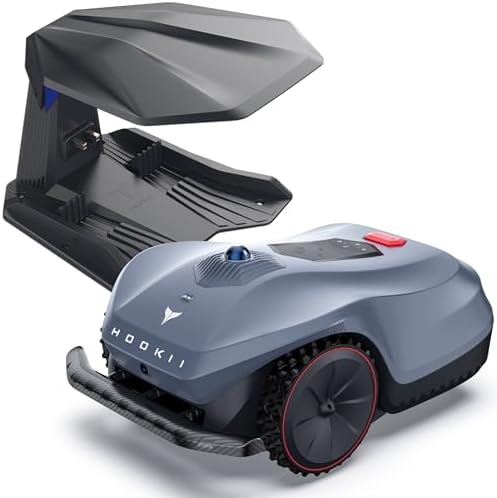
- 3D LiDAR SLAM+Vision Fusion: Enables precise positioning and obstacle avoidance without network or satellite signals. Ea…
- 0.75 Acre. Yes. Just One Mower: Thanks to powerful vision and spatial fusion technology, the mower can “understand” its …
- Intelligence in Every Inch: After tens of thousands of tests and algorithm iterations, our intelligent obstacle avoidanc…
One of the primary considerations is the size of your lawn. Robotic mowers are usually designed for specific area capacities, ranging from small to large yards. If your lawn is less than half an acre, a robotic mower can perform exceptionally well and maintain regular upkeep with minimal intervention. Larger lawns, exceeding this area, may necessitate more advanced models with greater battery capacity and cutting power to sufficiently cover the terrain.
Another significant aspect is the complexity of your lawn. Lawns with intricate landscaping, steep slopes, or numerous obstacles can pose a challenge for robotic mowers. While many models are equipped with sensors and navigation features to handle such complexities, homeowners should ensure compatibility before committing to a purchase. A simpler lawn layout with fewer hindrances is usually ideal for these automated devices, as it allows them to work more efficiently and effectively.
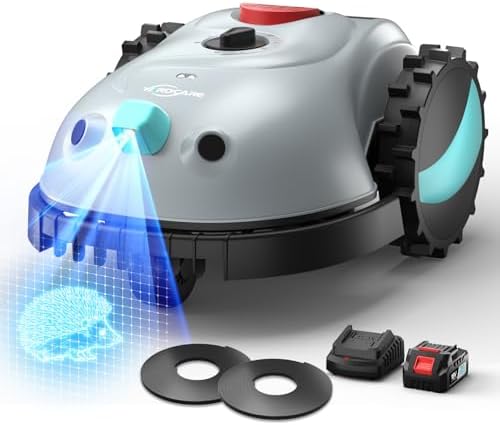
- 【Intelligent Visual Navigation】Thanks to its integrated bumper sensor, visual sensor, and advanced AI technology, our ro…
- 【NO-GO Function】With the included 32-ft magnetic strip, you can quickly and easily create NO-GO zones in your yard to ke…
- 【Time-Saving Design】The V100 robotic lawnmower eliminates the need for cumbersome cables or complicated boundary wires a…
Budget considerations also play an important role in determining if a robotic lawn mower is the right choice. These automated mowers tend to have a higher upfront cost compared to traditional variants. However, homeowners should consider the long-term savings on labor and maintenance, as well as the benefits of a consistently manicured lawn, which can outweigh the initial investment over time.
Finally, the lifestyle of the homeowner is a vital factor. Busy individuals who prefer automated solutions for their yard maintenance may find robotic mowers particularly beneficial. In contrast, those who enjoy the gardening process or have a hands-on approach to lawn care might opt for a more traditional method.
Conclusion: Making an Informed Decision
In evaluating whether robotic lawn mowers are a suitable investment for your lawn care needs, it is essential to weigh both the advantages and disadvantages these devices offer. On one hand, robotic mowers are celebrated for their convenience, enabling homeowners to save time and effort, as they autonomously complete the task of mowing. Their programmable features allow for customizable mowing schedules, ensuring your lawn receives the regular maintenance it requires without manual intervention.
Moreover, these mowers often promote sustainable practices, as many models are designed to efficiently manage battery life and charge themselves when necessary. The mulching technology employed by many robotic mowers also aids in maintaining healthy grass by returning clippings to the lawn, thus enriching the soil. However, potential buyers should also consider the initial costs, which can be a significant investment compared to traditional mowers. Additionally, certain terrains and obstacles may pose challenges for robotic capabilities, potentially necessitating further adjustments or manual mowing in less accessible areas.
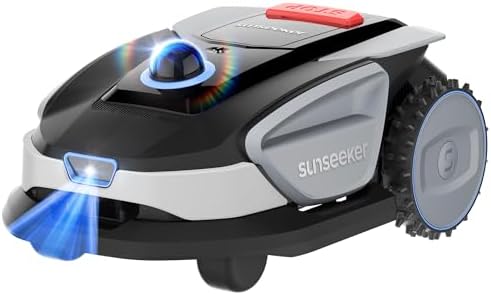
- SELF-DRIVING-LEVEL NAVIGATION FOR REAL YARDS:Vision AI + 360° 3D LiDAR builds a detailed 3D map of your lawn and plans s…
- 3D LiDAR FOR COMPLEX YARDS: Say goodbye to GPS dead zones. Equipped with automotive-grade 3D LiDAR technology, the S4 na…
- ZERO-WIRE, INSTANT 3D MAPPING: Set up in minutes, not hours. Drive the S4 via the App like a remote-control car to insta…
Ultimately, the decision to adopt a robotic lawn mower should reflect your individual circumstances, including your lawn size, terrain, and personal preferences for lawn care. It is advisable to evaluate how these advantages align with your specific needs against the possible drawbacks. By carefully reflecting on the pros and cons outlined in this article, you can make an informed decision that best serves your gardening and lifestyle preferences.
As an Amazon Associate, I earn from qualifying purchases.