Introduction to Robotic Lawn Mowers
Robotic lawn mowers are innovative devices that are transforming the way we approach landscaping in our homes. As part of the expanding landscape of smart home technology, these autonomous mowers are gaining traction among homeowners seeking convenience and efficiency. The popularity of robotic lawn mowers has surged in recent years, as advances in technology have made them more accessible and functional.

- Wireless, RTK-Free Setup — AI-Assisted Auto-Mapping with 360° 3D LiDAR: With AI vision and 360° 3D LiDAR, LiDAX Ultra 10…
- Flawless Edge Precision — < 2inch with Movable Disc: With UltraTrim 1.0, the robot lawn mower cuts within 2inch of walls...
- AI-Vision Powered 300+ Obstacle Avoidance: Powered by 3D point cloud data and advanced AI vision, the wireless mower det…
These mowers are equipped with an array of sensors and automation features that enable them to navigate lawns intelligently. By using GPS, ultrasonic sensors, and boundary wires, they can map out the areas they need to mow, ensuring thorough coverage without missing any spots. They are designed to operate autonomously, eliminating the need for manual labor, which not only saves time but also enhances the user experience. This has contributed to their appeal in the context of today’s busy lifestyles.
The underlying technology allows robotic lawn mowers to adjust their mowing schedules based on weather conditions and the growth rate of the grass, optimizing performance. Many models also offer app integration, enabling users to control and monitor their mowers remotely. This smart home integration adds an additional layer of convenience, as users can schedule mowing sessions or receive notifications via their smartphones.
In summary, robotic lawn mowers represent a significant advancement in landscaping technology, combining automation and intelligent design. This evolution not only simplifies the management of lawn care but also aligns perfectly with the growing trend of incorporating smart devices into our daily lives. As more homeowners embrace this technology, the future of landscaping looks increasingly automated and efficient.
The Benefits of Robotic Lawn Mowers
Robotic lawn mowers are becoming increasingly popular in smart home landscaping due to the numerous benefits they offer. One of the primary advantages is the significant time-saving aspect. Traditional lawn mowing often requires considerable time and effort, particularly for larger properties. In contrast, robotic mowers can operate autonomously, allowing homeowners to focus on other activities or simply enjoy their leisure time while the lawn is maintained.

- Wire-Free Robotic Lawn Mower with LiDAR Navigation – GOAT A2000 LiDAR PRO is a wire-free robotic lawn mower that require…
- Built-In Edge Trimming for Clean Borders – Unlike standard robot lawn mowers, this model features an integrated TruEdge …
- High-Power 32V Platform for Thick Grass – Designed for American lawns with Bermuda, Zoysia, Fescue, and St. Augustine gr…
Efficiency is another critical benefit of robotic lawn mowers. These devices leverage advanced technology and sensors to navigate your yard, ensuring that every inch is covered. Unlike conventional mowers, which may miss spots or create uneven cuts, robotic mowers consistently deliver a tidy appearance. Their ability to adjust the mowing schedule based on grass growth means they can maintain an optimal lawn health throughout the season.
Another noteworthy advantage is the reduction of physical labor required for lawn maintenance. For individuals with busy lives or physical limitations, the automated nature of robotic mowers significantly lessens the burden of lawn care. This shift allows homeowners to maintain a well-kept lawn without the physical strain typically associated with manual mowing.
Moreover, robotic lawn mowers are typically more environmentally friendly than their gas-powered counterparts. They produce lower emissions, helping to reduce a household’s carbon footprint. Many models operate on rechargeable batteries, further minimizing environmental impact. As advancements in battery technology continue, these devices become even more eco-conscious while providing the same, if not better, efficiency and performance.
In conclusion, the integration of robotic lawn mowers in smart landscapes can lead to considerable improvements in efficiency, convenience, and sustainability, truly revolutionizing how homeowners approach lawn maintenance.
Integration with Smart Home Systems
In recent years, the advancement of smart home technology has paved the way for the development of robotic lawn mowers, which offer efficient and automated gardening solutions. One of the most significant benefits of these mowers is their ability to integrate seamlessly into existing smart home ecosystems. This integration not only enhances their functionality but also enables homeowners to manage their landscaping tasks more effectively.

- 【Intelligent Visual Navigation】Thanks to its integrated bumper sensor, visual sensor, and advanced AI technology, our ro…
- 【NO-GO Function】With the included 32-ft magnetic strip, you can quickly and easily create NO-GO zones in your yard to ke…
- 【Time-Saving Design】The V100 robotic lawnmower eliminates the need for cumbersome cables or complicated boundary wires a…
Robotic lawn mowers are designed to work in harmony with various smart devices such as smartphones, tablets, and home assistants. Most modern models are compatible with commonly used platforms, allowing users to control and monitor their lawn care routines through dedicated mobile applications. These apps facilitate a range of functions, from scheduling mowing times to adjusting mowing parameters based on seasonal needs.
The integration of robotic lawn mowers into smart home systems also means that they can be managed alongside other automated appliances. For instance, users can create comprehensive routines that include both the robotic lawn mower and other smart devices, such as smart irrigation systems. This feature ensures that lawns are not only mowed at optimal intervals but also efficiently watered, maximizing both time and resource savings.
Moreover, voice control options offered by devices like Amazon Alexa or Google Assistant allow homeowners to interact with their robotic mowers hands-free. This feature enhances convenience, enabling homeowners to initiate or modify tasks through simple voice commands. As technology continues to evolve, it is likely that robotic lawn mowers will further embrace smart home integration, leading to more advanced features and functionalities.
Overall, the compatibility of robotic lawn mowers with smart home systems demonstrates a significant advancement in landscaping technology. This integration empowers homeowners to maintain their lawns with greater ease and efficiency, transforming mundane lawn care into a streamlined and automated process.
Enhancing Lawn Care Precision and Quality
Robotic lawn mowers are revolutionizing the way homeowners approach landscaping and lawn maintenance, providing unparalleled precision in yard care. These devices utilize advanced technologies that allow them to analyze the lawn environment continuously, ensuring that the cutting is tailored to the specific conditions of the grass. Through the use of onboard sensors and software, robotic mowers can adjust their operation dynamically based on the grass growth and environmental conditions such as moisture levels and terrain variability.
A focal feature of these mowers is their programmable mowing schedules, which provide convenience and flexibility. Homeowners can set a consistent mowing routine that aligns with their personal preferences and their lawn’s growth patterns. This capability means that lawns receive regular attention, minimizing the risk of overgrowth and promoting healthier grass by ensuring optimal length is maintained. Moreover, the scheduling feature allows users to incorporate mowing into their smart home ecosystem, ensuring that the lawn is cared for even when they are away.
Another significant aspect is the adaptive grass height settings that many robotic mowers offer. These settings allow users to customize the cutting height according to the specific needs of various grass types or seasonal requirements. For instance, during warmer months, a higher cut may be preferred to promote deeper root growth and protect the grass from drying out, while in cooler months, a lower cut might be desirable to prepare for dormancy. By accommodating these adjustments, robotic lawn mowers enhance lawn care precision and contribute to the overall quality and health of the landscape.
Cost Considerations: Are They Worth the Investment?
Investing in a robotic lawn mower involves several financial factors that potential buyers must consider. Initially, the purchase price of a robotic lawn mower can vary widely, ranging from a few hundred to several thousand dollars, depending on the model and its features. High-end models often come equipped with advanced technology, such as GPS navigation, automated scheduling, and efficient battery systems aimed at maximizing performance. While the upfront cost may seem considerable, it is essential to evaluate the long-term benefits associated with these devices.

- SELF-DRIVING-LEVEL NAVIGATION FOR REAL YARDS:Vision AI + 360° 3D LiDAR builds a detailed 3D map of your lawn and plans s…
- 3D LiDAR FOR COMPLEX YARDS: Say goodbye to GPS dead zones. Equipped with automotive-grade 3D LiDAR technology, the S4 na…
- ZERO-WIRE, INSTANT 3D MAPPING: Set up in minutes, not hours. Drive the S4 via the App like a remote-control car to insta…
Maintenance is another aspect to consider when calculating the total cost of ownership. Robotic lawn mowers typically require less maintenance than traditional mowers. Users will need to replace blades occasionally, but overall, the maintenance costs are significantly lower. In some cases, these mowers can operate for several years with minimal upkeep, thereby reducing the frequency of service calls, which can accumulate with conventional lawn care methods.
Moreover, robotic mowers can lead to potential savings over time. By automating the mowing process, homeowners may conserve resources like fuel and electricity, translating into lower utility bills. Businesses that employ robotic mowers for landscaping may also save on labor costs, as fewer personnel are required to maintain grounds. When examining the financial implications of owning a robotic lawn mower, it’s crucial to weigh the initial investment against these ongoing savings and conveniences.
Ultimately, while the initial costs of robotic lawn mowers are higher than traditional options, their efficiency and lower long-term maintenance costs can provide a solid return on investment. Homeowners and businesses alike should carefully assess their specific needs and budgets before making a decision regarding this modern landscaping solution.
Environmental Impact of Robotic Lawn Mowers
Robotic lawn mowers represent a significant advancement in landscaping technology, especially when it comes to their environmental impact. Traditional gas-powered mowers are known for their high noise levels and carbon emissions, contributing to both air and noise pollution. In contrast, robotic lawn mowers operate on electricity, which can be sourced from renewable energy, thereby significantly reducing their carbon footprint. This shift towards electric operation leads to quieter mowing experiences, making them a more neighbor-friendly option, particularly in residential areas.
Another crucial aspect to consider is energy consumption. Robotic lawn mowers are designed for efficiency, often consuming less electricity than one might expect. Many models operate on rechargeable batteries and have smart features that optimize their mowing time and energy use. For example, they can strategize mowing schedules based on grass growth, ensuring that they only work when necessary. This intelligent usage of energy aligns well with eco-friendly practices, highlighting the role of technology in promoting sustainability.
Furthermore, robotic lawn mowers are adept at mulching, which is beneficial for maintaining a healthy lawn while minimizing waste. Mulching entails the mower cutting grass finely enough that the clippings can be left on the lawn to decompose and enrich the soil with nutrients. This practice not only supports greener landscapes but also reduces the need for additional fertilizers, further decreasing potential chemical runoff into the environment. Overall, the evolution towards robotic lawn mowers marks a progressive step in landscaping, combining technology with environmentally responsible practices to create healthier, more sustainable lawns.
Future Innovations in Robotic Lawn Mowing Technology
The future of robotic lawn mowing technology is poised for remarkable advancements that will significantly enhance the efficacy and usability of these devices. One of the most promising trends in this field is the integration of artificial intelligence (AI). By employing sophisticated algorithms, future robotic mowers will be able to learn from their surroundings, adapting their cutting patterns and schedules based on the specific requirements of a particular lawn. This anticipatory capability can lead to improved efficiency and a healthier lawn.
Battery life remains a critical factor in the performance of robotic lawn mowers. Innovations in battery technology are on the horizon, particularly with the development of lithium-sulfur batteries. These new batteries promise to hold significantly more charge than traditional lithium-ion batteries, thereby extending the mowing time between charges. Furthermore, advancements in solar charging technology could allow these devices to recharge themselves during the day, providing uninterrupted service without the need for constant human intervention.
Another area of development is in navigation systems. Future robotic lawn mowers will benefit from enhanced GPS and sensor technology, enabling them to create accurate maps of their operational areas. This would facilitate more effective mowing routes that minimize overlap and reduce energy consumption. Moreover, advanced sensors will allow these mowers to detect obstacles and navigate around them with increased agility, thereby preventing damage to both the mower and landscaping features.
As the market for smart home solutions expands, these innovations will not only redefine the concept of lawn care but also integrate seamlessly with other smart home technologies. This interconnectedness will enable users to monitor and control their robotic mowers through smartphone apps, providing real-time updates and control from any location. Such advancements herald a new era in landscaping, transforming how homeowners manage their outdoor spaces with precision and ease.
User Experiences and Testimonials
The introduction of robotic lawn mowers into the smart home landscaping market has garnered significant attention from users across various backgrounds. Many owners appreciate the convenience of automated mowing, allowing them to spend their leisure time on other activities while enjoying a well-manicured lawn. Feedback indicates that these devices often excel in maintaining consistently short grass, which many users have found to be a considerable improvement over traditional mowing methods.
One user, a suburban homeowner, reported immense satisfaction with their robotic mower’s performance. After integrating it into their weekly routine, they noted a substantial reduction in time spent on lawn care and an overall enhancement in the appearance of their yard. This particular user emphasized the benefits of programmable scheduling, citing the ability to set the mower to operate during early morning hours when energy costs are lower. Such features not only align with eco-friendly practices but also contribute to significant savings in maintenance costs over time.
However, experiences can vary based on the terrain and lawn size. For instance, a user with a more expansive, hilly garden reported mixed results. While the robotic mower efficiently handled level areas, it occasionally struggled with steep inclines. Despite this, the owner noted that the integrated sensors generally prevented it from getting stuck or damaging the landscape, highlighting the technology’s adaptive learning capabilities.
Data collected from user reviews also demonstrates commendable reliability across different brands of robotic mowers. Consumers frequently mention the importance of reliable customer service and support, indicating a common desire for guidance on troubleshooting issues and maximizing device efficiency. Overall, testimonials reflect a growing trend toward adopting robotic lawn mowers, establishing them as a significant asset in smart home landscaping.
The Future of Landscaping with Robotics
Robotic lawn mowers signify a pivotal transformation in the realm of smart home landscaping. These advanced machines provide an automated solution for maintaining lawns, effectively reducing the need for manual labor. By leveraging cutting-edge technology, they facilitate efficient grass cutting, resulting in neatly manicured lawns with minimal human intervention. As households increasingly adopt automation technologies, the shift towards robotic garden care is becoming apparent.
One of the most significant impacts of robotic mowers is their ability to integrate seamlessly into the smart home ecosystem. These machines are designed to operate autonomously, often programmable through mobile applications that allow users to schedule mowing sessions, set boundaries, and monitor performance in real time. This level of control enhances convenience for homeowners and aligns perfectly with the growing trend of smart home automation where connectivity and efficiency are paramount. As a result, robotic lawn mowers are becoming a preferred choice for those seeking to streamline garden care.
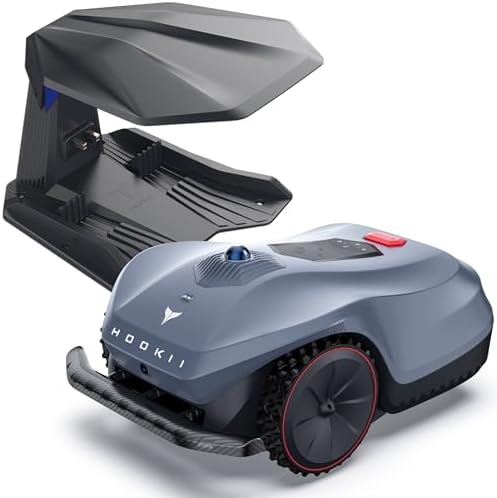
- 3D LiDAR SLAM+Vision Fusion: Enables precise positioning and obstacle avoidance without network or satellite signals. Ea…
- 0.75 Acre. Yes. Just One Mower: Thanks to powerful vision and spatial fusion technology, the mower can “understand” its …
- Intelligence in Every Inch: After tens of thousands of tests and algorithm iterations, our intelligent obstacle avoidanc…
Furthermore, the implications of robotic lawn mowers extend beyond individual homes, as they represent a broader change in landscaping practices. With increasing awareness of environmental sustainability, these devices can promote eco-friendliness through energy-efficient operation and reduced carbon footprints compared to traditional gas-powered mowers. Additionally, their operational precision can lead to healthier lawns by fostering optimal growth conditions and minimizing wear and tear on turf.
The future of landscaping, characterized by robotics, offers exciting prospects for homeowners and landscaping professionals alike. As technology evolves, we can anticipate even more sophisticated features in robotic mowers, including enhanced AI capabilities and improved navigation systems. Overall, embracing robotic lawn mowers is not merely about revolutionizing yard maintenance; it reflects a holistic approach to enhancing outdoor living spaces through innovation and technology.
As an Amazon Associate, I earn from qualifying purchases.