Introduction to the AI Revolution in Gardening
The adoption of artificial intelligence (AI) in the realm of gardening marks a significant milestone in the evolution of horticultural practices. Traditionally reliant on manual labor and straightforward mechanical tools, the gardening industry is now experiencing a transformative shift as technology takes center stage. AI’s integration into various gardening tasks enhances not only efficiency but also promotes sustainable practices and greater convenience for gardeners.
One of the most notable advancements in this domain is the development and utilization of robotic lawn mowers. These automated devices are rapidly gaining popularity among homeowners and landscape professionals alike. By employing sophisticated algorithms and sensors, robotic lawn mowers intelligently navigate outdoor spaces, cutting grass with precision and maintaining a manicured appearance without the need for constant human intervention. This innovation not only saves time and effort but also reduces the carbon footprint often associated with traditional mowing practices.
Furthermore, the implementation of AI-driven gardening tools extends beyond just lawn care. Smart irrigation systems, for instance, can analyze weather patterns and soil moisture levels, ensuring that plants receive the optimal amount of water needed to thrive while conserving precious resources. This demonstrates a shift towards a more responsible and eco-friendly approach to gardening.
As AI continues to advance, it paves the way for a seamless integration of technology within gardening, empowering gardeners to achieve better results with less physical exertion. This new era of garden management, led by robotic lawn mowers and other intelligent devices, promises to reshape our relationship with nature, making it increasingly efficient and sustainable. The future of gardening is indeed intertwined with the rise of AI, setting the stage for innovations that will forge a deeper connection between technology and horticulture.
What Are Robotic Lawn Mowers?
Robotic lawn mowers are advanced, automated devices designed to maintain grass surfaces with minimal human intervention. Incorporating sophisticated technology, these mowers operate autonomously, navigating gardens while efficiently cutting grass. Unlike traditional lawn care methods that require manual labor, robotic mowers perform the job independently, thereby saving time and effort.
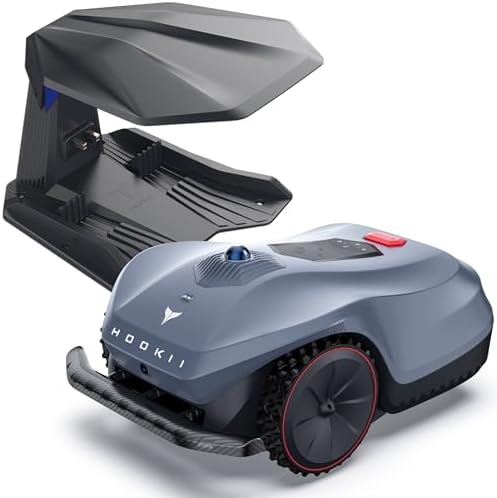

The design of robotic lawn mowers typically features a compact, lightweight body equipped with powerful battery systems. They utilize a series of rotating blades to trim the grass, providing a consistently neat lawn. These mowers are fitted with various sensors and navigational systems, allowing them to detect obstacles, change direction, and avoid hazards seamlessly. Such capabilities ensure that the mower can operate effectively within varying garden layouts and conditions.
One of the significant advantages of robotic lawn mowers is their smart programming. Users can set schedules and define specific mowing zones through an accompanying application or interface. This feature allows for greater flexibility, as homeowners can select the most convenient times for lawn maintenance. Furthermore, many models incorporate rain sensors that prompt the mower to return to its charging station during adverse weather, ensuring the longevity of the equipment.
In comparison to traditional lawn care methods, robotic lawn mowers represent a significant shift towards automation in gardening. Conventional mowers often demand considerable physical effort and time commitment, while robotic variants offer a more convenient option. This increasing reliance on robotic technology reflects broader trends in the landscape of gardening and lawn maintenance, illustrating how these innovations can enhance the efficiency and practicality of yard care.
The Benefits of Using Robotic Lawn Mowers
Robotic lawn mowers are gaining prominence among homeowners and professional landscapers alike, driven by their numerous advantages. One of the most significant benefits of these machines is the considerable time-saving aspect they offer. Traditional lawn mowing can be a tedious and time-consuming chore, sometimes taking hours to complete. With a robotic mower, the task can be done automatically, allowing homeowners to spend their time on more enjoyable activities or significant responsibilities. This efficiency is particularly beneficial for busy professionals who may not have the luxury to devote a full afternoon to lawn maintenance.

- Wireless, RTK-Free Setup — AI-Assisted Auto-Mapping with 360° 3D LiDAR: With AI vision and 360° 3D LiDAR, LiDAX Ultra 10…
- Flawless Edge Precision — < 2inch with Movable Disc: With UltraTrim 1.0, the robot lawn mower cuts within 2inch of walls...
- AI-Vision Powered 300+ Obstacle Avoidance: Powered by 3D point cloud data and advanced AI vision, the wireless mower det…
Moreover, robotic lawn mowers significantly reduce the physical labor typically associated with lawn care. For individuals with mobility challenges or for those who simply wish to avoid strenuous activities, these devices can be a game changer. The autonomous nature of robotic mowers means that they can navigate your lawn, cutting the grass to a precise height without requiring human intervention. This not only alleviates the physical burden but also contributes to the maintenance of a healthy lawn, providing even and consistent care.
Another major advantage of robotic lawn mowers is their ability to deliver consistent lawn care. Regular mowing ensures that grass remains at an optimal height and promotes a healthier, more aesthetically pleasing yard. This consistency is harder to achieve with traditional mowers, where factors such as weather conditions or availability can lead to irregular mowing schedules. Additionally, robotic mowers are designed to operate quietly and with minimal emissions, which significantly reduces noise pollution and limits environmental impact. With their eco-friendly design, robotic lawn mowers stand as a sustainable choice for conscientious gardeners looking to lessen their carbon footprint.
Challenges and Limitations of Robotic Lawn Mowers
While robotic lawn mowers present numerous advantages, they also come with a set of challenges and limitations that potential users should consider. One of the most prominent concerns is the initial cost associated with acquiring these advanced devices. The price of robotic lawn mowers can vary significantly, often leading to a substantial investment upfront compared to traditional mowers. This cost factor can be a barrier for many homeowners who are still weighing their options in a market filled with varied gardening tools.
Another issue relates to maintenance. Although robotic lawn mowers are designed for autonomous operation, they still require periodic maintenance to function optimally. Abrasion on blades, battery performance, and the necessity for software updates can involve extra time and investment from the owner. Furthermore, keeping the mower in prime working condition often entails ensuring that the lawn is free from obstacles, which can add to the workload of maintaining the garden.
Effectiveness in handling diverse terrains is also a critical factor to consider. Robotic mowers may struggle in certain landscape conditions, such as steep inclines or uneven ground. The sensors and navigation systems, while sophisticated, are not foolproof and may have difficulty in areas characterized by extensive slopes or varying grass types. This limitation could lead to uneven mowing results, which in turn, affects lawn aesthetics and health.
Lastly, concerns surrounding autonomous technology itself warrant attention. Users may feel apprehensive about the reliance on artificial intelligence to manage one of their most prized possessions—their garden. Issues of safety, data privacy, and the potential for cybersecurity risks can deter potential buyers from making this leap into more automated solutions. Addressing these limitations is essential for ensuring that the integration of robotic lawn mowers into home gardening practices occurs smoothly and successfully.
The Technology Behind Robotic Lawn Mowers
Robotic lawn mowers have revolutionized the way we approach garden maintenance, with their advanced technologies fundamentally altering traditional landscaping practices. Central to the operation of these modern devices is the integration of AI algorithms, which enable the mowers to make real-time decisions based on their environmental conditions. This intelligence allows for optimized mowing patterns and efficient coverage of the lawn.
Machine learning algorithms further enhance the functionality of robotic mowers. As these machines operate, they learn from their experiences, adapting to the unique features of a lawn, such as terrain variations, the presence of obstacles, and changing weather conditions. This continual learning process ensures that the mowers become increasingly efficient over time, significantly improving their performance and user convenience.
GPS navigation also plays a crucial role in the autonomy of robotic lawn mowers. By utilizing satellite signals, these mowers can accurately map the mowing area, helping them navigate complex yard layouts. This technology minimizes overlaps and missed patches, guaranteeing a uniform cut throughout the lawn. The incorporation of GPS helps maintain a systematic mowing route, which not only saves energy but also prolongs the life of the mower.
Additionally, sensor technology is vital for the effective operation of robotic lawn mowers. Equipped with various sensors, these mowers can detect obstacles, assess grass height, and monitor battery levels. Such sensors enable safe operation, as the mower can avoid collisions with objects like stones or garden furniture. By assessing the grass height, the mower can also adjust its cutting height, ensuring that it maintains an optimal lawn appearance.
The convergence of these technologies—AI algorithms, machine learning, GPS navigation, and sensor technology—ensures that robotic lawn mowers are not only effective in cutting grass but also adaptable to the varied demands of different lawns. These innovations position robotic mowers as a leading solution in modern gardening.
Market Trends and Consumer Adoption
The market for robotic lawn mowers has seen significant growth in recent years, with increasing consumer interest driven by technological advancements and the desire for convenience.
Several factors contribute to the adoption of robotic lawn mowers among homeowners. The increasing availability of smart technology within these devices allows users to control their mowers via smartphone applications, enhancing user experience and convenience. Additionally, the progress in battery technology has extended the operational time and efficiency of these mowers, addressing previous concerns regarding limited usage. As eco-friendliness becomes an essential consideration for many consumers, robotic mowers offer lower emissions and quieter operation compared to traditional gas-powered alternatives, further appealing to environmentally conscious buyers.

- Wire-Free Robotic Lawn Mower with LiDAR Navigation – GOAT A2000 LiDAR PRO is a wire-free robotic lawn mower that require…
- Built-In Edge Trimming for Clean Borders – Unlike standard robot lawn mowers, this model features an integrated TruEdge …
- High-Power 32V Platform for Thick Grass – Designed for American lawns with Bermuda, Zoysia, Fescue, and St. Augustine gr…
Major brands have been at the forefront of this market, continuously innovating to meet consumer demands. The latest models include advanced features such as GPS navigation, obstacle detection, and integration with smart home systems. This allows for a more tailored and efficient mowing experience. The competition among brands fuels further innovations, which in turn stimulates market growth. Consumer reviews and feedback play a pivotal role in shaping these innovations, as manufacturers focus on enhancing user satisfaction in the design and functionality of their machines.
Future of Gardening: Integration of AI Technologies
As we move further into the 21st century, the integration of artificial intelligence (AI) technologies in gardening is set to significantly transform how we approach outdoor maintenance. The emergence of robotic lawn mowers marks just the beginning of a broader trend where innovation plays a critical role in enhancing gardening practices. These automated devices, equipped with sophisticated algorithms and sensors, are capable of learning their environment and adapting to different conditions. This capacity for adaptation makes them not only efficient but also highly effective in maintaining the aesthetic and health of our gardens.
The future landscape of gardening revolves around a range of AI-driven tools beyond robotic mowers. For instance, AI-powered garden management systems could monitor soil conditions and climate variables, providing real-time recommendations for irrigation, fertilization, and pest control. This data-driven approach would allow for more precise resource allocation, fostering a sustainable gardening ecosystem while minimizing waste. Furthermore, advancements in AI technology could facilitate the development of smart greenhouses, which utilize machine learning to optimize plant growth by adjusting environmental factors like light, temperature, and humidity.
Moreover, the potential for enhanced connectivity through the Internet of Things (IoT) could lead to an interconnected gardening experience. Homeowners might control various gardening tasks remotely via mobile applications, making it convenient to manage multiple gardening activities from a single platform. Additionally, integration with augmented reality (AR) could enrich the gardening experience by allowing users to visualize changes and plan layouts in a virtual garden space before implementation.
In summary, as AI technologies continue to evolve, the future of gardening promises not only increased efficiency but also an enriched engagement with nature. This seamless integration of AI tools is poised to revolutionize not just how we maintain our gardens but also how we perceive and interact with our outdoor spaces, making gardening a more enjoyable and less labor-intensive endeavor.
Case Studies of Successful Robotic Lawn Mower Implementations
As the adoption of technology continues to reshape various sectors, gardening has also seen significant shifts, particularly through the introduction of robotic lawn mowers. This section delves into real-world examples detailing how homeowners and businesses have successfully integrated robotic lawn mowers into their landscaping routines, resulting in remarkable transformations.

- 【Intelligent Visual Navigation】Thanks to its integrated bumper sensor, visual sensor, and advanced AI technology, our ro…
- 【NO-GO Function】With the included 32-ft magnetic strip, you can quickly and easily create NO-GO zones in your yard to ke…
- 【Time-Saving Design】The V100 robotic lawnmower eliminates the need for cumbersome cables or complicated boundary wires a…
One notable case involves a family in suburban town. Seeking a more efficient way to maintain their expansive lawn, they invested in a robotic lawn mower. The family reported a dramatic reduction in both time and effort spent on yard work, which previously occupied several hours each week. With the lawn mower operating autonomously, they could spend more quality time together outdoors. Additionally, they noted that their lawn achieved a healthier appearance, attributed to the mower’s consistent cutting schedule, which promotes grass health.
In another scenario, a commercial landscaping company decided to incorporate robotic lawn mowers into their services. The company, initially skeptical about the technology, experienced a significant increase in productivity after evaluating the operational capabilities of the machinery. By deploying several robotic mowers across various properties, they effectively reduced labor costs and enhanced service delivery. Clients provided positive feedback, appreciating the precision and thoroughness of the robotic mowers, which allowed for more refined landscaping results without the use of harmful chemicals.
These case studies illustrate not only the efficiency and convenience associated with robotic lawn mowers but also the positive impact on lawn health and productivity. Homeowners and businesses that embrace this technology are likely to experience similar benefits, paving the way for further innovations in the gardening sector.
Conclusion and Thoughts on the Future of AI in Gardening
As the trend of integrating artificial intelligence into various industries continues to expand, gardening has emerged as a significant beneficiary of this technological innovation. Robotic lawn mowers exemplify how AI can transform landscaping practices, providing homeowners and professionals with efficient, labor-saving solutions. These autonomous machines not only streamline the task of maintaining a pristine lawn but also reduce the burden on individuals who may otherwise spend considerable time on yard upkeep.
The discussion in this blog post has highlighted the multiple advantages associated with robotic lawn mowers, including their ability to operate independently, optimize mowing schedules based on the weather and growth conditions, and their low environmental impact due to energy-efficient designs. It is evident that these devices have redefined traditional gardening norms, making lawn care more accessible and less time-consuming.
Looking ahead, the future of AI in gardening appears bright. As technological advancements continue, we can anticipate even more intelligent features in robotic lawn mowers, such as enhanced navigation systems, improved obstacle detection, and integration with smart home ecosystems. Additionally, other applications of AI in gardening are likely to emerge, ranging from automated watering systems based on soil moisture data to intelligent pest management solutions.
It is essential for gardeners, both amateur and professional, to stay informed about these developments, as embracing such technologies can significantly enhance the gardening experience. By leveraging AI tools, individuals can focus more on creativity and design while allowing technology to handle the more labor-intensive aspects of landscaping. In summary, the rise of AI in gardening represents a pivotal shift towards sustainable and efficient practices, promising to make our outdoor spaces more enjoyable and easier to maintain.
As an Amazon Associate, I earn from qualifying purchases.