Introduction to Outdoor Scooters
Outdoor scooters have emerged as popular recreational devices for children, providing an engaging way to combine fun and physical activity. Defined as two-wheeled or three-wheeled platforms supported by a handlebar, outdoor scooters offer a means for kids to explore their surroundings while developing essential motor skills. These scooters come in various designs and types, including kick scooters, electric scooters, and stunt scooters, each catering to different preferences and skill levels.
The variety of outdoor scooters available on the market ensures that parents can find an option that best suits their child’s needs. Kick scooters are often the most accessible, as they require the child to push off the ground with their foot, promoting balance and coordination. In contrast, electric scooters provide an effortless riding experience and can often reach higher speeds which appeal to older children and teens seeking a more thrilling ride. Stunt scooters, designed for performing tricks and jumps, cater to adventurous kids eager to showcase their skills.


The benefits of outdoor scooters extend beyond mere fun. Scootering encourages physical activity, helping children to enhance their cardiovascular fitness, improve muscle strength, and develop balance and coordination. Moreover, riding an outdoor scooter can foster a sense of independence and confidence, as kids learn to navigate different terrains and challenges. The appeal of outdoor scooters is not only evident in how they engage children, but also in how they provide parents with a convenient and enjoyable means of encouraging their kids to spend more time outdoors, supporting a healthy lifestyle.
Benefits of Riding Scooters for Kids
Riding scooters offers a multitude of advantages for children, encompassing physical, mental, and social dimensions. The act of scooting engages various muscle groups, which promotes overall fitness. Regular riding sessions can enhance cardiovascular endurance, thereby fostering an active lifestyle from an early age. This type of exercise not only helps in maintaining a healthy weight but also supports the development of strong bones and muscles.
Beyond the physical benefits, riding a scooter is instrumental in improving balance and coordination. As children navigate different terrains, they learn to adjust their body movements, which sharpens their motor skills. This improvement in coordination is crucial not only for riding but also translates into better performance in other physical activities and sports.
Mental benefits are equally noteworthy; the thrill of riding a scooter can be exhilarating, leading to increased feelings of joy and satisfaction. This enjoyment stimulates the release of endorphins, often referred to as “feel-good” hormones, which can combat feelings of stress or anxiety. Moreover, children become more self-confident as they master new riding techniques and take on challenges, whether it be learning to perform tricks or race with peers.
Additionally, riding scooters provides children with the chance to socialize. When kids ride together, they engage in cooperative play, which enhances their social skills. This interaction fosters friendships, teamwork, and an understanding of social dynamics, essential skills for their growth. Overall, the various benefits of riding scooters make it an excellent activity for active kids, contributing significantly to their physical health, mental well-being, and social development.

- MADE BY PARENTS: Aero A5 big wheels kick scooter is designed for kids ages 6-12, boys or girls 8-10 or 8-12, teens, and …
- COMFORTABLE & SMOOTH RIDE: This scooter for kids is equipped with 7” big PU wheels and built-in shock absorption, ensuri…
- MOTION-ACTIVATED LIGHTS: This kids scooter features patented light up wheels that illuminate both the tyre and core whil…
Key Features to Look for in a Scooter
When selecting an outdoor scooter for children, several critical features should be taken into account to ensure a safe and enjoyable riding experience. One of the primary considerations is the weight limit of the scooter, which is crucial for both safety and performance. A scooter designed for a child’s weight will offer better stability and control, significantly reducing the risk of accidents.
The materials used in the construction of the scooter are also essential. High-quality materials, such as aluminum or reinforced plastic, contribute to the scooter’s durability and longevity. Parents should look for scooters that are lightweight yet robust, as this will not only ease transportation but also enhance maneuverability.
Wheel size plays a vital role in how well the scooter performs on different surfaces. Larger wheels are generally better for uneven terrains, providing a smoother ride, while smaller wheels can contribute to better speed on flat surfaces. It is advisable to choose a wheel size that corresponds to the terrain where the scooter will mainly be used.
The braking system is another key feature to evaluate. A reliable brake, whether it is a hand brake or a foot brake, ensures that the child can stop quickly and safely. An efficient brake system can prevent potential hazards, making it a significant component in overall scooter safety.
Lastly, foldability is an important feature for those who plan to transport the scooter frequently. Many modern scooters come with a folding mechanism, which makes them easy to store and carry, especially for families who may travel or go out often. A scooter that combines these features will not only be enjoyable for children but also provide peace of mind for parents concerned about safety and functionality.
Top Outdoor Scooters for Active Kids
Finding the right outdoor scooter for active kids involves considering durability, safety, and fun. Here are several standout options that cater to various preferences and requirements.


Safety Tips for Riding Scooters
When it comes to riding scooters, safety should be the top priority for both parents and children. To ensure a safe riding experience, it is essential for children to wear appropriate protective gear. This includes a properly fitted helmet, knee pads, elbow pads, and wrist guards. Such gear is crucial as it can significantly reduce the risk of injuries in case of falls or accidents.
In addition to protective gear, selecting safe environments for riding is critical. Parents should encourage their children to ride in designated areas such as parks, driveways, or other locations with smooth surfaces and minimal traffic. Busy streets and crowded sidewalks can pose serious risks; therefore, avoiding these areas while riding is a vital safety measure. Children should be taught to be aware of their surroundings and to ride only in places where it is safe to do so.
Another fundamental aspect of scooter safety is understanding and adhering to traffic rules. Children need to learn the rules of the road, especially if they ride in proximity to vehicular traffic. This includes looking both ways before crossing streets, following signals, and using bike lanes whenever possible. Educating children on the importance of signaling their intentions to pedestrians and vehicles, such as making turns and stopping, can greatly reduce accident risks.
Moreover, supervision is essential, particularly for younger riders. Parents should supervise their children during their rides to ensure they follow safety guidelines. Establishing boundaries regarding where children can ride and scheduling riding times can further enhance safety. Encouraging safe practices early on instills lifelong habits that prioritize safety while enjoying outdoor activities.
Maintenance and Care for Outdoor Scooters
To ensure the longevity and safety of outdoor scooters, regular maintenance and proper care are essential. Scooters, particularly those intended for active kids, endure significant wear and tear during use. Thus, a systematic approach to their upkeep can enhance performance and extend their lifespan.
One of the primary aspects of scooter maintenance is regular cleaning. After each use, particularly if the scooter has been exposed to dirt or moisture, it is advisable to wipe down the frame and wheels. A simple mixture of mild soap and water can effectively remove any grime. Pay particular attention to the wheels and deck, as these areas can accumulate debris that may affect performance. Furthermore, ensuring that the scooter is thoroughly dried before storage can prevent rust and other forms of corrosion.
Proper storage is another critical factor in maintaining an outdoor scooter. When not in use, it is recommended to store the scooter in a dry, cool environment away from direct sunlight, which can damage the plastic components over time. If possible, hanging the scooter or placing it on a rack can help prevent unnecessary stress on its wheels and frame.
Routine inspections for wear and tear are also crucial. Regularly check the handlebars, wheels, and brakes for any signs of damage. Look for cracks, excessive wear on the tires, or loose parts that may compromise safety during rides. Additionally, lubricating the moving parts, such as the wheels and folding mechanism, can help ensure smooth operation and reduce the likelihood of mechanical failures.
By following these maintenance tips, parents can help maximize the safety and performance of their children’s outdoor scooters, allowing for enjoyable rides that last for years.
Choosing the Right Scooter for Your Child’s Age
Selecting the appropriate scooter for your child requires careful consideration of their age and skill level. Different scooters are designed with varying features that cater to specific age groups, which can significantly affect the riding experience and overall safety. For younger children, typically aged 2 to 5 years, three-wheeled scooters are often the best choice. These models provide enhanced stability and balance, which are crucial for novice riders. Additionally, many of these scooters are equipped with features such as low footboards and safe braking systems tailored for small children.
As children grow older and gain more experience, typically around ages 5 to 10, transitioning to two-wheeled scooters becomes feasible. These scooters are ideal for developing coordination and balance skills, while also allowing for faster speeds and more thrilling rides. However, it is essential to choose a scooter that suits their skill level; for instance, opting for a model with a sturdy frame and quality wheels can enhance their riding experience while maintaining safety.
For older children, generally aged 10 and up, performance scooters designed for tricks or higher speeds can be an exciting choice. These scooters tend to be lighter and more agile, catering to aspiring riders who may wish to perform stunts at skate parks. Yet, it is imperative to emphasize the importance of protective gear such as helmets and pads, particularly when engaging in more challenging riding activities.
Ultimately, ensuring a child’s safety while promoting their enjoyment is paramount. Choosing the right scooter based on both age and skill level strikes a balance between performance and safety, fostering a positive outdoor experience for active kids.
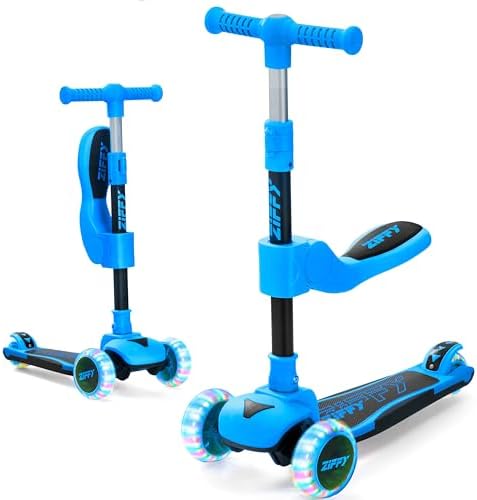

Conclusion and Final Recommendations
In reviewing the best outdoor scooters available for active children, it is evident that these recreational devices offer numerous benefits, encouraging physical activity, boosting confidence, and promoting coordination skills. Outdoor scooters are not just toys; they are tools that can significantly influence a child’s development and foster an interest in maintaining an active lifestyle. With a wide array of options on the market, it is essential for parents to consider factors such as safety, durability, and appropriate design to ensure their children have an enjoyable riding experience.
As discussed, scooters come in various styles, suited for different age groups and riding preferences. Selecting the right scooter can greatly enhance a child’s outdoor playtime, making it both fun and safe. Features such as adjustable handlebars, robust wheels, and lightweight frames add to the convenience and adaptability of these scooters, meeting the diverse needs of young riders.
Incorporating an outdoor scooter into a child’s playtime can lead to enhanced physical fitness through improved cardiovascular health and increased muscle strength. Furthermore, riding a scooter facilitates social interactions among peers, allowing children to develop friendships and teamwork skills in a natural setting. For parents looking to encourage active play, offering a scooter that matches their child’s interests and abilities is a proactive approach to fostering a healthy lifestyle.
In conclusion, investing in a suitable outdoor scooter can provide children with a joyful means of exercise while improving essential motor skills. As the warm months approach, it is an ideal time to motivate children to step outside and embark on their scooters. With the right balance of safety features, usability, and engaging design, parents can support their children in leading a more active, fulfilling life, one scooter ride at a time.
As an Amazon Associate, I earn from qualifying purchases.