Introduction to Breastfeeding Essentials
Breastfeeding is an essential aspect of maternal and infant health, providing numerous benefits to both mothers and their babies. It not only offers optimal nutrition through breast milk but also fosters a unique bond between mother and child. As more mothers choose to breastfeed, understanding the tools available, such as breast pumps and nursing bras, becomes critical in supporting this choice. Breast pumps, in particular, play a vital role in facilitating breastfeeding, allowing mothers to express milk effectively and store it for later use. This ensures that their infants receive the necessary nutrients even when they are not physically present for nursing.
Nursing bras, on the other hand, are specifically designed to provide comfort and accessibility to breastfeeding mothers. They offer important support during the breastfeeding journey, adjusting as the body goes through various changes. The right nursing bra can enhance a mother’s breastfeeding experience by providing easy access while ensuring adequate support for sensitive breasts. With various styles and options available, mothers can find bras that suit their personal preferences and lifestyle.

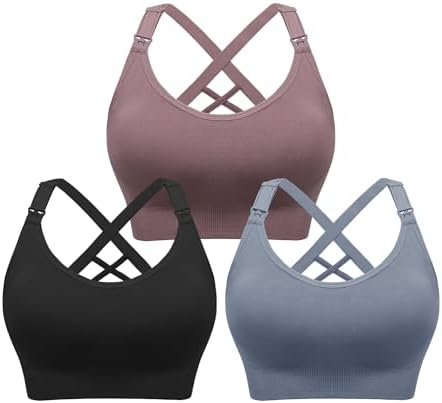

Both breast pumps and nursing bras are crucial components of breastfeeding essentials, working in tandem to support breastfeeding mothers. Choosing the right pump can alleviate concerns about milk supply and help maintain a consistent feeding schedule. In addition, selecting a well-fitted nursing bra can significantly enhance comfort while also providing the convenience needed for frequent feeding sessions. Together, these products contribute to a streamlined and positive breastfeeding experience.
Understanding Breast Pumps: Types and Mechanisms
Breast pumps have become an essential tool for many nursing mothers, offering flexibility and convenience in managing breastfeeding. There are three primary types of breast pumps: manual, electric, and hospital-grade, each serving distinct needs and preferences.

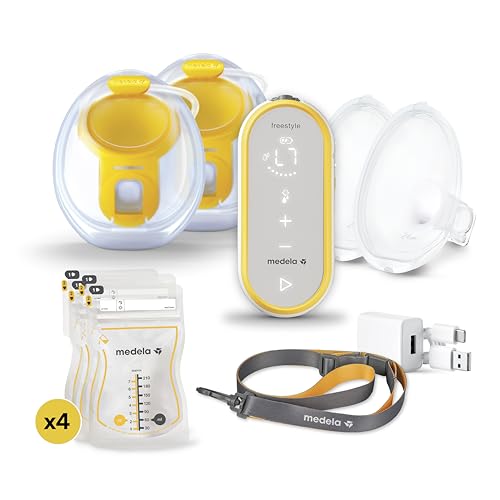
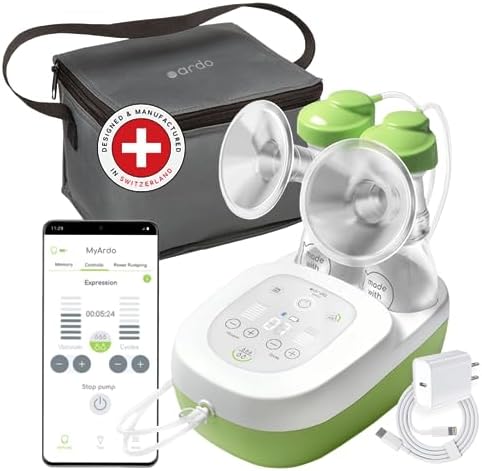
Manual breast pumps operate through hand-powered mechanisms. They typically involve a lever or squeeze bulb that allows the user to control the suction and rhythm of the pumping process. This type is often favored for its portability, ease of use, and affordability. Mothers who pump occasionally may find manual pumps ideal as they do not require electricity and are easy to clean and assemble.
Electric breast pumps are designed for enhanced efficiency, utilizing motor-driven suction to extract milk. With options available for single or double pumping, these devices are suitable for mothers who require more frequent pumping sessions. Electric pumps can offer adjustable suction levels and speeds, which can help mimic a baby’s natural feeding pattern, thereby improving milk flow. They are particularly beneficial for working mothers who need to store milk for later use.
Hospital-grade breast pumps are the most powerful and efficient option available. These pumps are designed for multiple users and are often rented from hospitals or specialty stores. They feature advanced technology, offering high-level suction capabilities and programmable settings. Hospital-grade pumps are recommended for mothers who are struggling with insufficient milk supply or are exclusively pumping due to the inability to nurse directly.
Transitioning from breastfeeding to bottle-feeding can also be facilitated by the use of breast pumps. A dual or multi-function pump can help manage the varying demands of bottle use, ensuring a smooth shift for both mother and child. By selecting the right type of breast pump, mothers can enhance their breastfeeding experience and maintain flexibility in their feeding routines.
The Benefits of Using Breast Pumps
Breast pumps offer numerous benefits for nursing mothers, making them a valuable tool in the breastfeeding journey. One of the primary advantages is convenience. Modern breast pumps are designed to allow mothers to express milk at their own pace, making it easier to balance feeding schedules with daily activities. This can be particularly beneficial for mothers who are returning to work or need to be away from their infants for extended periods.
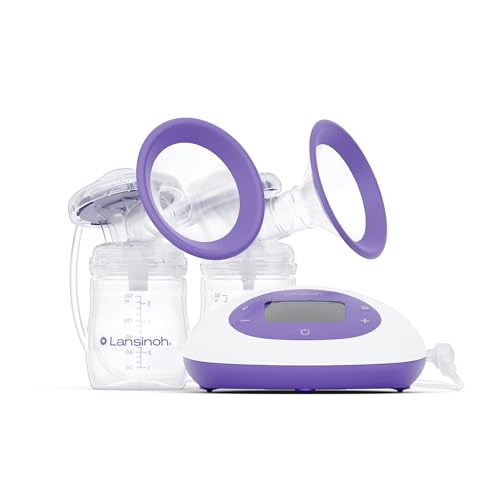
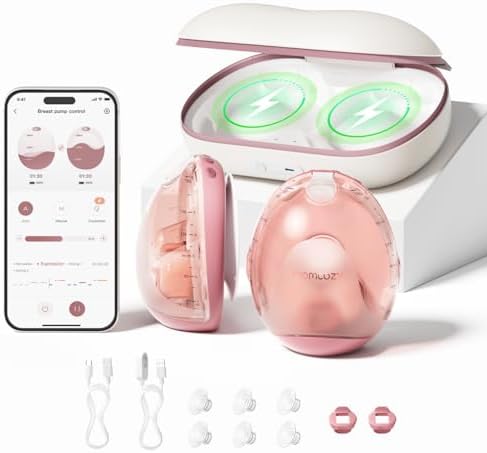
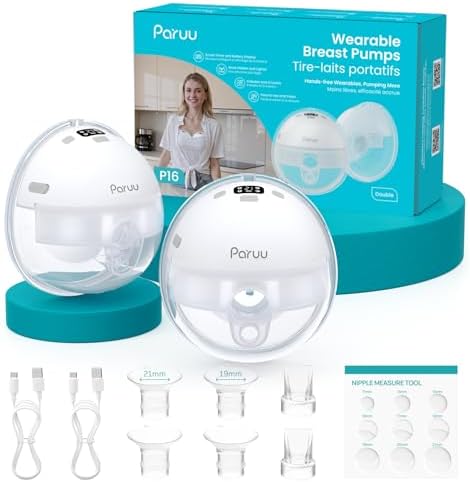
Additionally, breast pumps provide flexibility in feeding. Mothers can pump and store milk, allowing others to feed the baby while they take a break. This can enhance the bonding experience for partners, enabling them to participate actively in the feeding routine. For example, many mothers have expressed that having their partners involved in feeding has strengthened their family bond. A study from lactation consultants emphasizes that shared feeding responsibilities can contribute positively to parental relationships.
Maintaining milk supply is another critical benefit of using breast pumps. Regular pumping can help stimulate milk production, especially in the early days when establishing a feeding routine. It is not uncommon for mothers to face challenges in producing enough milk initially. Pumping can help ensure that milk supply meets the baby’s growing needs while aiding in transitioning to a regular breastfeeding schedule.
Moreover, breast pumping can assist mothers in managing potential issues such as engorgement or clogged ducts. By expressing excess milk, mothers can alleviate discomfort and promote a smoother breastfeeding experience. The ability to control milk output also empowers mothers to tailor their feeding plans according to their unique circumstances and the needs of their infants.
Overall, the advantages of using breast pumps encompass practicality, flexibility, and support in establishing a sustainable breastfeeding routine. These devices can play a crucial role in enhancing the nursing experience both for mothers and their infants.
Choosing the Right Breast Pump: Factors to Consider
Selecting the appropriate breast pump is a crucial decision for nursing mothers, as it can significantly impact both the breastfeeding experience and overall convenience. One of the primary factors to consider is budget. Breast pumps vary widely in price, from manual models to advanced electric pumps. It is essential to establish a budget that aligns with your financial situation while ensuring you do not compromise on quality or features.
Another important consideration is your lifestyle. For mothers returning to work, an electric pump may be more suitable due to its efficiency and speed. Conversely, if you plan to nurse on a more flexible schedule or part-time, a manual breast pump could suffice. Understanding your daily routines and needs can help determine which model is best suited for your circumstances.
The frequency of use is also vital when making your choice. If you anticipate pumping frequently throughout the day, investing in a double electric pump can be beneficial, as it saves time and effort. On the other hand, if occasional pumping is all that is needed, a single electric pump or a manual option may meet your requirements effectively.
Comfort cannot be overlooked as well. Look for a breast pump with adjustable settings to minimize discomfort during use. A pump that fits well should offer soft breast shields and customizable suction levels to enhance the experience. Portability is another key factor; if you tend to be on the go, a lightweight and compact pump may be a practical option.
Overall, by carefully assessing your individual needs in terms of budget, lifestyle, frequency of use, comfort, and portability, you can make an informed choice that best suits your situation and supports your breastfeeding journey.
Nursing Bras: Importance and Key Features
Nursing bras play a crucial role in the breastfeeding journey of new mothers, providing essential support and comfort during this significant life phase. These specialized bras are designed to accommodate the changes in breast size and shape that occur during pregnancy and lactation, ensuring that mothers feel comfortable and confident throughout the day. One of the primary features of a nursing bra is its easy access for breastfeeding. Many nursing bras come equipped with drop-down cups or clasps that allow for quick and convenient breastfeeding, making the experience less cumbersome.

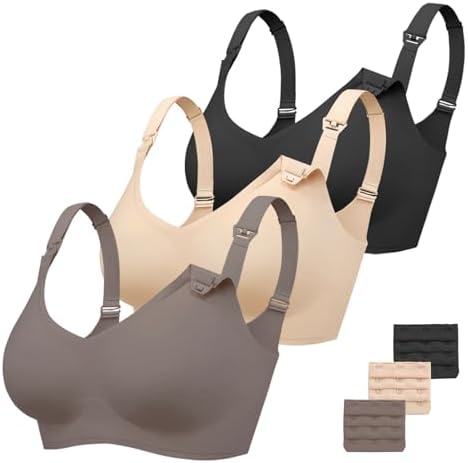

In addition to accessibility, comfort is paramount when selecting a nursing bra. A well-fitted nursing bra should be made of soft, breathable materials that do not irritate the skin. Look for bras with wide straps, as they provide additional support and help to alleviate pressure on the shoulders. The band should also be secure but not constrictive, allowing for movement and growth as breastfeeding continues. Many nursing bras are wire-free, which enhances comfort, while some may feature underwire for extra support, depending on individual preference.
Different styles of nursing bras can also suit various needs. For instance, nursing tank tops provide a versatile option that can be layered or worn alone, while sleep bras offer a soft, unstructured fit for nighttime comfort. It is essential to consider the intended use when selecting a nursing bra, as different styles cater to different situations. As for sizing, it is advisable to measure regularly during pregnancy and postpartum, as breast size can fluctuate significantly. Consulting a size guide or a professional fitting can ensure that mothers choose the correct size, promoting both comfort and ease during breastfeeding.
Health and Comfort Considerations
When selecting a breast pump and nursing bras, several health and comfort considerations must be taken into account. One primary concern is skin sensitivity, as many nursing mothers experience varying degrees of tenderness during the breastfeeding period. Utilizing products made from hypoallergenic materials can reduce the risk of irritation. It is advisable to seek out pumps and bras that use soft, breathable fabrics designed with sensitive skin in mind. For breast pumps, silicone or cushioned flanges can be beneficial in providing a comfortable fit without compromising suction.
Another important factor is the ergonomics of the breast pump. A well-designed pump should allow for a natural posture while expressing milk, reducing strain on the back, neck, and shoulders. Electric pumps often feature adjustable settings, which can help comfort by allowing mothers to find the ideal suction level, hence minimizing discomfort during use. Similarly, nursing bras should offer adequate support without constriction, facilitating easy access for breastfeeding while ensuring comfort over extended wear.
Common issues such as nipple pain can often be mitigated with proper technique and the right equipment. Employing a pump with a flange that fits correctly can significantly reduce the risk of damaging the nipple skin. Additionally, ensuring that nursing bras provide enough room for breast enlargement and engorgement can help alleviate discomfort. Regularly assessing the fit of both breast pumps and nursing bras is essential as a mother’s body changes during and after pregnancy. Lastly, it is crucial to maintain hygiene to prevent breast infections, which can occur if equipment is not properly cleaned. Washing all components and ensuring bras are made from moisture-wicking fabrics can enhance overall comfort and health during this critical period.
How to Clean and Maintain Your Breast Pump and Nursing Bra
Maintaining hygiene and the longevity of your breast pump and nursing bra is crucial for both your health and the efficiency of these essential items. Proper cleaning techniques and regular maintenance can ensure that both your breast pump and nursing bras work effectively and last longer.
To clean your breast pump, start by disassembling it according to the manufacturer’s instructions. Pay special attention to the pump parts that come into contact with breast milk, such as the flanges, valves, and bottles. Rinse these components under warm, running water immediately after use to reduce bacteria. Next, wash them with hot, soapy water using a dish soap that is free from residues and fragrances. A bottle brush can be useful for cleaning pump parts thoroughly. After washing, it is essential to sterilize the components to ensure maximum hygiene, especially in the early weeks after giving birth. Use a steam sterilizer, boiling water, or a microwave sterilizer for this purpose, ensuring that you follow the manufacturer’s guidelines.
When it comes to nursing bras, proper laundering is key to maintaining their shape and elasticity. It is recommended to hand wash them with a gentle detergent, but if you prefer using a machine, make sure to place them inside a lingerie bag. Use a delicate cycle with cold water to protect the fabric. After washing, air drying is preferred, as heat from a dryer can damage the materials and lead to reduced fit and support. Avoid using fabric softeners, which can make the nursing bras less breathable.


By incorporating these cleaning and maintenance practices into your routine, you will extend the life of your breast pump and nursing bras while ensuring a clean and safe experience for both you and your baby.
Effective Use of Breast Pumps and Nursing Bras
Utilizing breast pumps efficiently is crucial for nursing mothers, particularly for those balancing work and family commitments. Establishing a consistent pumping schedule can significantly enhance milk supply and alleviate engorgement. It is recommended to pump after each breastfeeding session to ensure complete emptying of the breasts and to stimulate increased production. Aim to pump around the same times each day, allowing your body to adjust to this routine. A visual cue, such as a reminder on your phone, may help in establishing consistency.
When it comes to integrating breastfeeding into social settings, being prepared can alleviate anxiety. One practical tip is to always carry a nursing cover, which provides privacy while allowing mothers to nurse comfortably in public. Familiarizing oneself with local laws regarding breastfeeding can empower nursing mothers to feel more secure while feeding in public places, knowing their rights. In addition, joining a breastfeeding support group or community can offer invaluable insight and camaraderie.
Comfort while using nursing bras is paramount, especially over prolonged periods. Look for bras that provide adequate support without being restrictive. A well-fitted nursing bra, preferably made from breathable materials, can greatly influence the nursing experience. It is advisable to try on different styles, including sports bras and ones with adjustable clips, to determine which best suits your lifestyle. Furthermore, keep an extra bra in your diaper bag in case of any leaks or spills; this will ensure that mothers feel comfortable and confident throughout the day.
Conclusion: Empowering Nursing Mothers
In summarizing the vital roles of breast pumps and nursing bras, it becomes evident that these tools are essential for supporting nursing mothers on their breastfeeding journey. Breast pumps empower mothers by providing the flexibility to express milk, enabling them to manage their commitments while ensuring their babies receive the necessary nutrition. Additionally, nursing bras are designed to offer comfort and convenience, making the breastfeeding experience more accessible and pleasant. Choosing the right breast pump and nursing bra tailored to individual needs can significantly improve the breastfeeding process.
Throughout this guide, we have explored various types of breast pumps, including manual and electric options, and their respective benefits. Understanding these differences allows mothers to select the ideal pump based on their lifestyle and circumstances. Furthermore, we discussed nursing bras that prioritize comfort and ease of access during breastfeeding, an important consideration for daily wear.
As you embark on your nursing journey, it is crucial to embrace these empowering tools. Engaging with resources, such as lactation consultants, parenting groups, and online forums, can also provide valuable support and guidance. Communities exist where mothers can share their experiences, seek advice, and find encouragement. Remember that each nursing experience is unique, and the challenges faced can be eased with the right knowledge and equipment.
Ultimately, by arming yourself with the right information and tools, you can foster a successful breastfeeding experience for both yourself and your baby. This journey may present challenges, but with the help of breast pumps and nursing bras, you can navigate it with confidence and support.
As an Amazon Associate, I earn from qualifying purchases.