Introduction to Baby High Chairs
Baby high chairs are essential furniture designed to provide a safe and comfortable space for infants and toddlers during mealtime. The significance of high chairs extends beyond mere functionality; they play a vital role in enhancing the feeding experience for both the child and the caregivers. High chairs offer a secure seating arrangement that encourages babies to join family meals, thus fostering socialization and bonding during these shared moments.
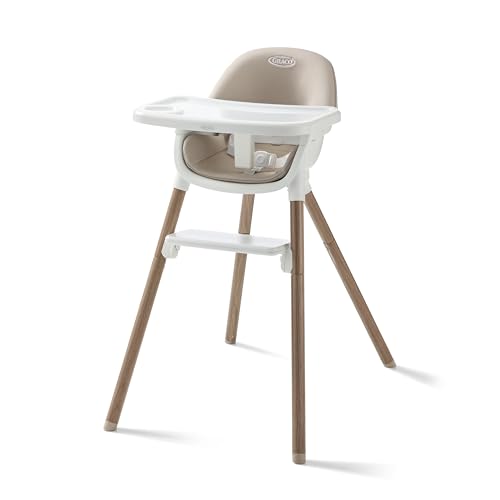

In the early stages of development, as babies transition from milk to solid foods, high chairs become indispensable. They not only secure the child in an upright position, facilitating easier feeding, but also help them develop essential skills such as hand-eye coordination and fine motor abilities. By sitting at the table, infants can observe family dynamics, which is crucial for their social growth.
There is a wide array of baby high chair styles available on the market today. From traditional wooden high chairs to modern, space-saving models, parents can choose based on their home aesthetics and functional needs. Some high chairs have adjustable heights and reclining features to accommodate various stages of a child’s development, while others may boast foldable designs for convenient storage. Safety features, such as harness systems and stable bases, are critical components that ensure the well-being of a child during meal times.
In summary, baby high chairs are more than just practical tools for feeding; they support crucial developmental milestones and promote family interaction at the dining table. Understanding the function and variety available in the market enables parents to make informed choices about which high chair best suits their family’s needs.
Understanding the Importance of Comfort in High Chairs
When selecting a high chair for a baby, comfort is a paramount consideration that can significantly influence a child’s willingness to eat and their overall mood during meal times. The design and features of a high chair directly impact how comfortable a baby feels while seated, making it essential for parents to assess these factors thoroughly.
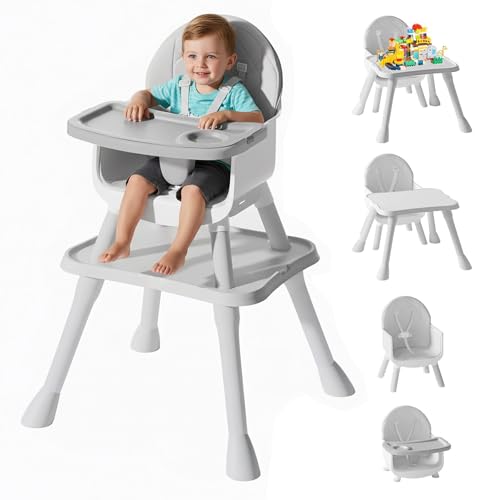


One of the primary aspects of comfort in high chairs is the seat padding. Chairs with adequate cushioning provide the necessary support for a baby’s body, helping to distribute weight evenly. This reduces pressure points, which can cause discomfort and distract a baby from the feeding experience. Moreover, high chairs equipped with supportive backrests promote good posture, contributing to a more pleasant seating experience.
Adjustable features also play a crucial role in enhancing comfort. Many modern high chairs come with adjustable seat heights, recline settings, and tray positions, allowing parents to customize the chair to their baby’s needs. For instance, a reclining feature can provide comfort for infants who may not yet be able to sit upright for extended periods, thereby minimizing fussiness and promoting a positive feeding environment.
Ergonomics should not be overlooked either. A high chair designed with a baby’s natural body contours in mind helps maintain comfort during meal times. Features like curved armrests and a wide base can contribute to a more stable and relaxed seating position. Proper ergonomics not only ensures comfort but also supports the baby’s development by reinforcing healthy feeding habits.
In summary, choosing a high chair that prioritizes comfort is essential for creating an enjoyable feeding experience for babies. By focusing on factors such as seat padding, adjustable features, and ergonomic design, parents can positively influence their child’s willingness to eat and enhance their overall experience during meals.
Safety Features to Look for in a High Chair
When selecting a high chair for your baby, ensuring optimal safety is of paramount importance. A high chair serves not only as a feeding solution but also as a secure environment for your child during meal times. One of the first features to consider is sturdy construction. The high chair should be built from durable materials that can withstand daily use and potential spills or messes. Look for chairs that are designed with a solid base, which can prevent tipping and ensure stability during feeding sessions.
Besides the material quality, a secure harness system is crucial. Most high chairs come equipped with a five-point harness that can safely restrain your child and prevent accidental falls. It is important to ensure that the harness is easy to use yet difficult for a child to undo. Proper usage of the harness every time the chair is utilized is essential for maintaining safety during meal times.
Another important consideration is safety certifications. High chairs that meet safety standards set by organizations like the Consumer Product Safety Commission (CPSC) provide an extra layer of assurance for parents. When purchasing a high chair, look for labels or documentation indicating compliance with these safety regulations.
Maintaining safety features is also imperative once the high chair is in use. Regularly check the harness for wear and ensure that all components are functioning properly. Consider cleaning methods that do not compromise the integrity of the chair, as hygiene is critical to your baby’s health. Additionally, familiarizing yourself with the manufacturer’s instructions can help in keeping the chair safe and secure for your infant. Prioritizing these safety features will help ensure a nurturing and safe environment for your little one during feeding times.
Different Types of High Chairs: Which is Right for You?
High chairs are essential for mealtime convenience and safety for infants and toddlers, and choosing the right type can greatly influence the dining experience for both parents and children. Various styles of high chairs are available, each with its own advantages and considerations, allowing parents to select the best fit for their lifestyle and home environment.
Traditional high chairs are well-known for their sturdy design and solid features. They often come with adjustable height settings and removable trays, making them a popular choice for many families. However, they can occupy significant space, which might be a drawback for those with limited kitchen areas.
Convertible high chairs offer versatility by transforming from a traditional high chair to a booster seat or even a toddler chair as the child grows. This adaptability can offer long-term value, although parents should consider whether the design fits comfortably in their dining spaces as the child matures.
Booster seats provide an option for families who want to save space. These seats attach securely to an existing dining chair and elevate the child to the table’s height. While they are compact and convenient for travel, they may lack the safety features found in full-sized high chairs, which can be a concern for some parents.
Lastly, travel high chairs are specifically designed for portability. Lightweight and easy to fold, these chairs are ideal for families on the go. However, they may not offer the same level of stability as traditional options, and it is important to ensure that they adhere to safety regulations.
Ultimately, the decision on which high chair to select will depend on individual needs, available space, and practicalities related to daily life. Parents should weigh the pros and cons of each type carefully to find the most suitable option for their child.
Materials and Hygiene: Choosing Safe Fabrics and Surfaces
When selecting a high chair for a baby, the materials used play a crucial role in ensuring both safety and hygiene. Many parents prioritize high chairs made from BPA-free plastics, as Bisphenol A (BPA) is a chemical that has raised health concerns, particularly for infants and young children. BPA-free options minimize exposure to harmful substances, ensuring that the high chair is safer for daily use.
In addition to the frame and surface materials, the fabric choices are equally important. High chairs often feature fabrics that can either be vinyl, leather, or cotton. Vinyl and leather are generally easier to clean and more resistant to spills, making them ideal for high chairs frequently subjected to messes from feeding. On the other hand, cotton is a softer option but may require more frequent washing and can be more prone to stains.
Moreover, it is beneficial to choose high chairs that include removable, washable seat covers. This feature allows for easier maintenance and ensures that any mess can be cleaned promptly, reducing the risk of bacteria growth. Many models also boast wipeable surfaces, providing a quick solution for cleaning during busy mealtimes.
Regular cleaning practices are essential to maintaining hygiene. Parents should ensure that the high chair is sanitized after every use, particularly if food has been spilled or if the child is in direct contact with the chair’s surfaces. In addition, it is advisable to follow the manufacturer’s guidelines for care and cleaning to preserve the integrity of the materials utilized throughout the high chair’s design.
In conclusion, when choosing a high chair, carefully consider the materials employed and their impact on both safety and hygiene. Opting for BPA-free plastics and easy-to-clean fabrics will help create a safe and comfortable feeding environment for your baby.
Age Appropriate High Chair Considerations
Choosing a high chair that is suitable for your baby’s age and developmental stage is essential in ensuring both comfort and safety during mealtime. Most infants typically start using a high chair around six months of age. At this age, they are usually able to sit up independently, which is crucial for their safety and overall well-being while seated in a high chair. It is important to avoid introducing a high chair too early, as premature use can increase the risk of falls and discomfort.

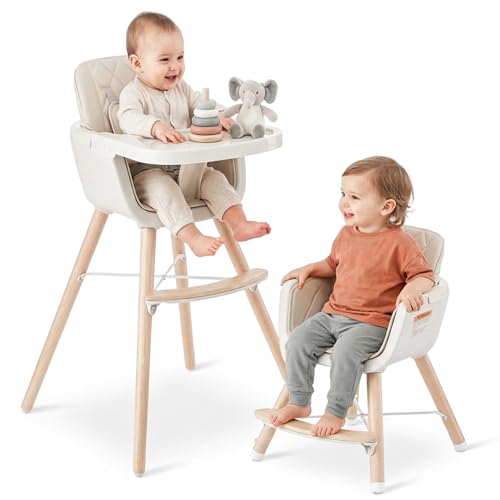
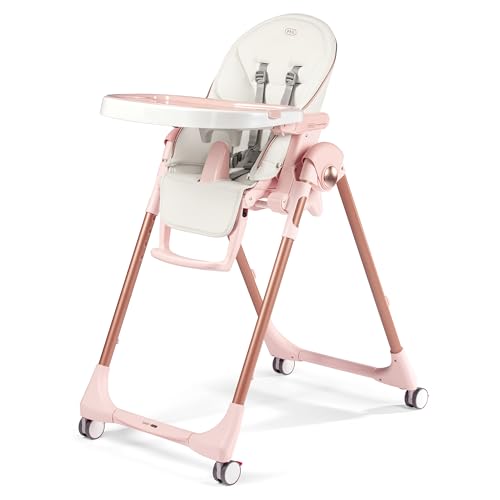
When selecting a high chair, consider the weight limits specified by the manufacturer. High chairs are designed to support a certain range of weights, and adhering to these limits is vital for your child’s safety. Most high chairs can accommodate babies weighing up to around 50 pounds, but this can vary significantly between models. It is advisable to review the product specifications to ensure your chosen high chair is appropriate for your child’s current and future weight needs.
Height adjustments are another key aspect to consider in a high chair. As your child grows, they will require a chair that can adapt to their height, allowing them to sit comfortably at the dining table alongside family members. Many modern high chairs come with adjustable height options that can accommodate several age ranges, making it a long-term investment. Typically, babies may use a high chair until they reach around two to three years of age, after which they may transition to a booster seat or a regular chair, depending on their development. By considering age-appropriate factors, parents can ensure a safe and pleasant feeding experience for their child.
User Reviews and Recommendations
When considering the purchase of a baby high chair, it can be immensely helpful to consult user reviews and recommendations. These insights from other parents provide a wealth of real-life experiences, enabling potential buyers to make informed decisions based on the practicality and performance of various models.
Many users emphasize the importance of safety features in high chairs. For instance, parents frequently mention that models with a five-point harness system have significantly increased their confidence in the chair’s security during mealtime. Several reviews highlight the ease of adjusting the harness as the child grows, showcasing flexibility that can adapt to different stages of child development.
Comfort is another crucial factor echoed across various user experiences. Parents often recommend high chairs with padded seats and adjustable heights, which not only provide comfort for the baby but also ensure that they are at the right level during family meals. Many users note that it is essential for the high chair to complement the dining table’s height to avoid awkward dining experiences.
Cleaning and maintenance are additional considerations that parents frequently mention in their reviews. Models that feature removable and machine-washable covers receive high praise for their convenience. Additionally, high chairs with smooth surfaces that can easily be wiped down tend to get favorable recommendations, as busy parents appreciate any time-saving aspect.
Lastly, the longevity and durability of high chairs become apparent in various reviews. Parents often advise opting for models made from sturdy materials that can withstand daily wear and tear. Recommendations often highlight chairs that can convert to booster seats, promoting extended use beyond the infancy stage.
Common Mistakes to Avoid When Choosing a High Chair
When selecting a high chair for your baby, it is essential to consider various factors that ensure both comfort and safety. One prevalent mistake parents often make is overlooking crucial safety features. Always ensure the high chair meets safety standards and comes equipped with a secure harness system. Models with a five-point harness are generally recommended as they offer the best restraint, minimizing the risk of falls and accidents. Furthermore, check that the chair has a stable base to prevent tipping.
Another common pitfall is focusing too heavily on style over functionality. While aesthetics are important for many parents, the primary purpose of a high chair is to provide a safe and comfortable place for your baby to eat. It is advisable to select a model that fulfills essential features such as height adjustability, easy cleaning, and durability. Be cautious of designs that may look appealing but lack practicality or comfort. A chair that requires complicated assembly or has hard-to-reach crevices may ultimately be a frustrating choice.
Additionally, many parents fail to consider the growth and adaptability of the high chair. Babies grow quickly, and a chair that is adjustable can accommodate these changes, extending its usability over the years. Look for high chairs that convert into booster seats or ones that can be adapted for different ages and stages of development. This adaptability can save you money in the long run and provide a suitable eating solution as your child grows. Taking the time to research and weigh these considerations can significantly enhance your high chair selection process.
Conclusion: Making the Right Choice for Your Baby
Choosing the right high chair for your baby is a crucial decision that greatly impacts their comfort and safety. When selecting a high chair, parents should prioritize features that enhance stability and security, ensuring that the chair is well-built and designed to hold the weight of the child safely. Look for models that meet safety standards and include essential features such as a five-point safety harness, sturdy base, and non-slip legs to prevent accidents during mealtime.
Comfort is equally important, as a well-designed high chair should offer adequate support that promotes good posture while allowing for movement. Consider factors such as adjustable seating positions and padding for little ones who are still developing their dining skills. A chair that allows a comfortable fit can help make mealtime more pleasant and reduce fussiness, creating a positive experience for both parent and child.
Furthermore, the ease of cleaning and maintainability of the high chair cannot be overlooked. Practical materials and removable covers make it simpler for parents to maintain hygiene while accommodating spills and messes common in baby feeding experiences. While there are numerous options available, informed choices based on thorough research and guidance can significantly enhance the overall dining experience for your little one.
In summary, weighing the importance of comfort and safety when purchasing a high chair is essential. By prioritizing these factors and selecting a model that aligns with your family’s needs, you can confidently ensure a secure and enjoyable mealtime for your baby as they embark on their journey of solid foods.
As an Amazon Associate, I earn from qualifying purchases.