What is a Maternity Belly Band?
A maternity belly band is a specially designed garment intended to provide support and comfort to pregnant women. It is typically worn around the abdomen to help alleviate some of the discomforts associated with pregnancy, such as back pain, pelvic pressure, and the general strain that comes from the growing belly. The main purpose of a maternity belly band is to offer physical support to the lower back and abdominal area, thus promoting better posture and reducing aches and pains throughout the day.

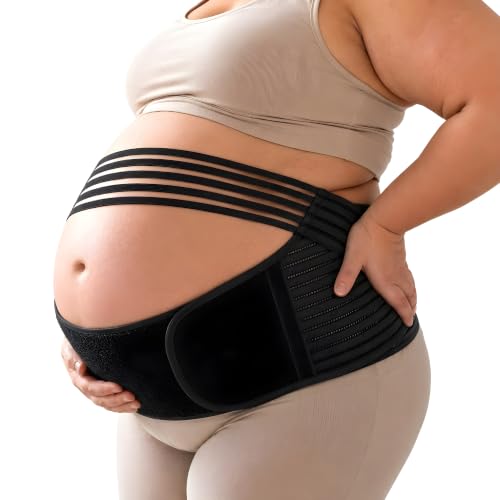
These belly bands come in various styles, materials, and sizes, allowing expectant mothers to choose one that best suits their needs. Many are made from stretchy, breathable fabrics that accommodate the body’s changes as the pregnancy progresses. A maternity belly band can be especially beneficial during the second and third trimesters when the weight of the baby significantly increases and can cause added stress on the body.
Moreover, the benefits of using a maternity belly band extend beyond physical support. They can also provide emotional comfort as women adapt to the changes in their bodies. Wearing a belly band can serve as a reminder of the pregnancy and promote positive body image as it encourages mothers-to-be to embrace their changing figure. Some maternity belly bands are designed to be fashionable as well, offering styles and colors that allow women to express their personal style while still managing their comfort.
In essence, these supportive garments play a crucial role in providing both physical and emotional support during pregnancy, making them a popular choice among expectant mothers seeking relief and comfort during this significant life stage.
Benefits of Wearing a Maternity Belly Band
Maternity belly bands are becoming increasingly popular among expectant mothers due to their numerous benefits. One of the primary advantages of these bands is their ability to provide essential support for the growing belly. As the pregnancy progresses, the weight of the baby can put considerable strain on the abdominal muscles and lower back. A maternity belly band helps to distribute this weight more evenly, which can alleviate discomfort and prevent unnecessary strain on the body.
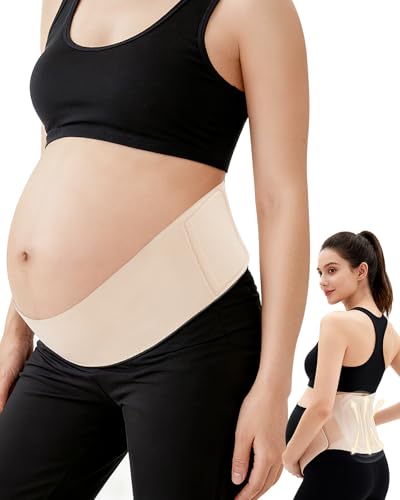

Another significant benefit is the reduction of back pain. Many pregnant women experience back discomfort as their bodies adapt to the changes occurring during pregnancy. A supportive belly band can help to stabilize the pelvis and lower back, thereby reducing the intensity of pain that many women feel during daily activities. This stability is particularly beneficial for those who spend long hours on their feet or engaged in physical work.
Improving posture is another advantage of incorporating a maternity belly band into one’s everyday wardrobe. The added support encourages the wearer to maintain better alignment of the spine, which not only helps in reducing back pain but also promotes an overall sense of well-being. When posture is improved, it can lead to enhanced energy levels, allowing women to engage in their daily tasks with greater ease and confidence.
Furthermore, maternity belly bands enhance comfort during daily activities. They can be discreetly worn under clothing, providing support without sacrificing style. Many women find that wearing a belly band allows them to continue wearing their pre-pregnancy clothing for longer periods. Overall, the combination of support, pain reduction, improved posture, and increased comfort makes maternity belly bands an invaluable addition to any pregnant woman’s wardrobe.
How to Choose the Right Maternity Belly Band
Selecting the appropriate maternity belly band can greatly enhance comfort and support during pregnancy. First and foremost, it is essential to consider the size of the belly band. Maternity belly bands generally come in various sizes, and it is important to select one that accommodates your current size as well as any potential changes throughout your pregnancy. Many brands provide sizing charts that take into account both pre-pregnancy sizes and the expected growth of the belly.
Next, the material of the maternity belly band plays a crucial role in its effectiveness and comfort. Look for bands that are made from soft, breathable fabrics, such as cotton or spandex. These materials not only provide necessary support but also allow for adequate ventilation, reducing the risk of overheating and discomfort. Ensure that the band offers both comfort and durability, as it will likely be worn frequently.
Adjustability is another important feature to consider. Many maternity belly bands include adjustable straps or a stretchy design that allows them to grow with your belly. This feature ensures that the band remains snug and supportive without being constrictive. The ability to customize the fit can significantly enhance your overall experience and relieve specific types of discomfort.
Finally, evaluate any additional features that may cater to your unique needs. Some maternity belly bands may offer additional support for the lower back, while others might include pockets for storage. Consider your lifestyle and specific requirements when making your selection, as the right belly band can provide both support and a boost of confidence during your pregnancy.
Different Types of Maternity Belly Bands
Maternity belly bands come in various styles and designs, each tailored to meet specific needs during pregnancy. Understanding these different types can aid expectant mothers in selecting the right support system for their changing bodies.
One of the most common types is the support band, which is designed to alleviate back pain and provide additional support to the growing belly. These bands often feature adjustable straps and breathable fabrics to ensure maximum comfort. Support bands can be worn under clothing or over the belly, making them versatile for everyday wear.
Another popular option is the shaping band, intended to smoothen and shape the abdominal area. These bands are typically more compressive, providing light support while also enhancing the silhouette. Shaping bands can be particularly beneficial for women who wish to maintain a polished look during their pregnancy, allowing them to feel confident in various outfits.
Workout belts represent another category of maternity belly bands, which cater specifically to active mothers-to-be. Designed to provide support during physical activities, these belts usually incorporate moisture-wicking materials to keep the abdominal area cool and dry. Many workout belts also include additional features like pockets for keys or phones, making them practical for outdoor exercises or gym sessions.
In addition to these more common varieties, some belly bands also include postpartum support features. These can provide essential assistance as women recover after childbirth. With an array of types available, expectant mothers can easily find a maternity belly band that suits their specific needs for support, comfort, and style throughout their pregnancy journey.
When to Start Using a Maternity Belly Band
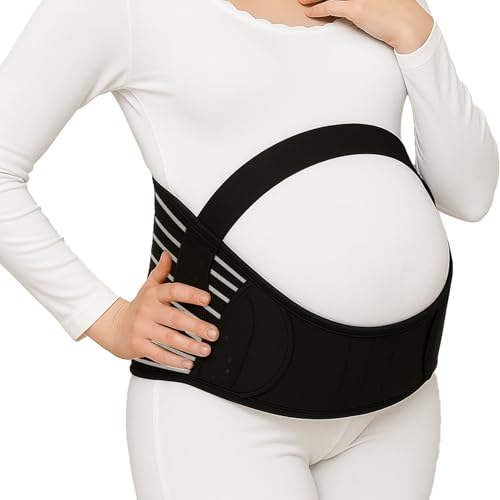
The timing of when to start utilizing a maternity belly band can vary significantly depending on individual body changes and personal comfort levels throughout pregnancy. Generally, expectant mothers may find that using a belly band becomes beneficial during the second trimester, typically around 14 to 20 weeks of gestation. This period is characterized by noticeable physical changes as the body begins to adjust to the growing baby. A maternity belly band can offer crucial support for the lower back and abdominal muscles, alleviating discomfort as the bump becomes more pronounced.


As the pregnancy progresses, women might experience increased weight and pressure on the pelvis, making it essential to consider the use of a belly band even earlier than the second trimester in some cases. Factors such as existing back pain, muscle strain, or a prior pregnancy may prompt earlier usage. Consequently, if discomfort arises in the first trimester, it is advisable to consult with a healthcare provider to determine whether a belly band is a suitable option for their specific circumstances.
Moreover, the type of activities one engages in can also influence the timing of wearing a maternity belly band. For those who are active or involved in physically demanding tasks, integrating a belly band sooner may provide the necessary support to ensure comfort and stability. Whether you choose to wear it during workouts or simply throughout daily routines, a belly band can help distribute weight evenly and reduce strain on specific muscles.
Ultimately, listening to one’s body and seeking professional recommendations will help guide the decision on when to begin using a maternity belly band for optimal comfort and support during pregnancy.
How to Properly Wear and Care for Your Maternity Belly Band
Wearing a maternity belly band correctly is essential to ensure you receive the optimal support during your pregnancy. Begin by selecting the right size for your body; a band that is too tight can cause discomfort while one that is too loose may not provide the necessary support. Most brands offer sizing charts that consider your pre-pregnancy size, and it is recommended to choose a band that accommodates your growing belly.
To wear the band, position it under your belly and pull it up over the lower back. The band should sit comfortably on your hips and provide gentle support without rolling or causing pinching. Many women find it helpful to adjust the band position throughout the day as their bodies change. Start with wearing the band for short periods and gradually increase the time as you become accustomed to it. Always listen to your body; if you experience any discomfort, reposition or remove the band.
Caring for your maternity belly band is equally important to ensure its longevity and cleanliness. Most belly bands are made from materials that can be machine washed, but it is advisable to check the manufacturer’s care instructions. A gentle cold wash cycle is preferable, and air drying is recommended to retain elasticity. Avoid bleach or fabric softeners, as these can deteriorate the material over time.
For storage, keep your belly band in a dry, cool place away from direct sunlight, which can fade colors and weaken fabrics. If you have multiple bands, consider rotating their usage to prevent wear on any single band. By properly wearing and maintaining your maternity belly band, you can enjoy its benefits throughout your pregnancy journey.
Maternity Belly Bands vs. Other Support Options
Maternity belly bands serve as versatile support tools designed specifically for expectant mothers, offering unique benefits compared to other support aids available on the market. Among other popular options such as pregnancy pillows and back braces, belly bands primarily target abdominal support and comfort. They can relieve back pressure, reduce strain on ligaments from a growing belly, and promote better posture during pregnancy.
Pregnancy pillows, on the other hand, are focused on enhancing sleep quality. These specialized pillows come in various shapes designed to support the back, hips, and belly, ensuring better alignment when resting. However, while they do provide comfort during sleep, they are not designed for use during daily activities. In contrast, maternity belly bands can be worn throughout the day, accommodating a variety of outfits and activities with ease.
Back braces are another alternative, primarily utilized to provide lumbar support. While they can be effective in alleviating back pain during pregnancy, they often restrict movement, which may not be ideal for all mothers. Maternity belly bands, in contrast, offer a level of compression that supports active lifestyle needs, allowing mothers to maintain a degree of mobility while alleviating discomfort.
Each support option has its unique drawbacks and advantages. Maternity belly bands stand out due to their adaptability, affordability, and ease of use. They can enhance overall comfort during various activities, making them a popular choice. In conclusion, the choice between maternity belly bands, pregnancy pillows, and back braces ultimately depends on personal preference and specific comfort requirements during pregnancy.
Real User Experiences: Testimonials and Reviews
Maternity belly bands have garnered various responses from expectant mothers, emphasizing the role these supportive garments play in their daily lives. One user, Emily, shared that her belly band significantly alleviated her lower back pain during the later stages of pregnancy. She noted, “I couldn’t believe the difference it made in my comfort. I was finally able to walk without feeling like I was carrying a heavy weight, and my posture improved immensely.”
Another mother, Sarah, highlighted the stylish aspect of the belly band, stating, “I love how I can wear mine under my regular clothes without anyone noticing. It adds a touch of support while keeping my style intact. I can transition from work to casual outings with ease.” The blend of functionality and fashion is a common theme in testimonials regarding belly bands.
Furthermore, testimonials from users like Jessica underscore the versatility that maternity belly bands provide. “I use mine during workouts, and it provides the right amount of support during my yoga classes. It’s comforting to know I can stay active while feeling secure,” she expressed. Many mothers appreciate such benefits, which allow them to maintain an active lifestyle throughout pregnancy.
On the other hand, some users have mentioned the importance of selecting the right size and style for optimal results. A review from Jenna advised trying on multiple types, stating, “Not every brand is created equal. I found a style that worked perfectly for me, but it took some experimentation.” This resonates with the idea that while belly bands are highly beneficial, individual comfort can vary significantly.
Ultimately, these testimonials indicate that maternity belly bands can enhance comfort, support, and even personal style for expectant mothers. With varied experiences, it becomes evident that with the right selection, women can find the perfect belly band that fits their needs and preferences.
Frequently Asked Questions about Maternity Belly Bands
Maternity belly bands serve as supportive garments for expectant mothers, often leading to inquiries regarding their usage, benefits, and functionality. Below are some frequently asked questions that can provide clarity for potential users.
1. What is the primary purpose of a maternity belly band?
The primary purpose of a maternity belly band is to offer support to the lower back and abdomen during pregnancy. This support can help alleviate discomfort caused by the additional weight of the growing belly, promoting better posture and reducing chances of strain on the back.
2. At what stage of pregnancy should I start wearing a belly band?
Most women begin using maternity belly bands in the second trimester when belly growth becomes more noticeable and physical changes lead to discomfort. However, some may choose to start earlier if they experience significant discomfort in the first trimester.
3. Are maternity belly bands safe to wear throughout the day?
Yes, maternity belly bands are generally safe for continuous wear throughout the day, as they are designed to be comfortable and discreet under clothing. It is recommended, however, to listen to your body and remove the band if you experience any discomfort or irritation.
4. Can I wear a maternity belly band after giving birth?
Many women choose to continue using maternity belly bands postpartum to support their recovering abdomen and lower back. This can provide comfort during the healing process, although it is important to consult with a healthcare provider regarding suitability.
These questions highlight the practicality and appeal of maternity belly bands. By understanding how to utilize these garments effectively, expectant mothers can enhance their level of comfort and support during a significant period of change in their lives.
As an Amazon Associate, I earn from qualifying purchases.