Introduction to Nursing Pillows
Nursing pillows are specially designed cushions that provide support for mothers and infants during breastfeeding sessions. These pillows are typically shaped to fit snugly around the mother’s waist or lap, creating a comfortable and stable surface for the baby to rest on while feeding. Their main purpose is to ensure a correct feeding position, reducing strain on the mother’s back and arms while also providing comfort for the baby.

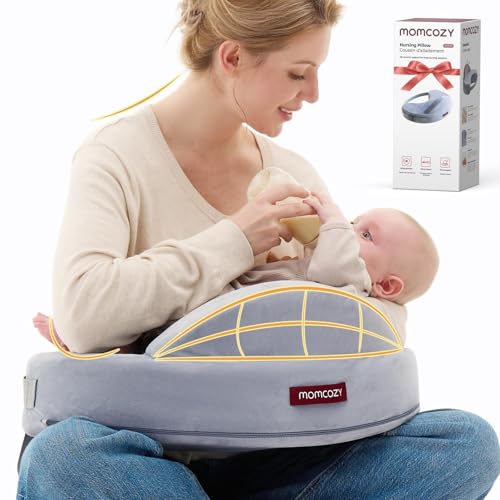

The significance of nursing pillows extends beyond physical comfort. During breastfeeding, proper positioning is crucial to facilitate better latch and effective feeding. A nursing pillow helps achieve this by elevating the baby to breast level, which can be particularly beneficial for new mothers who may not yet have developed the strength or technique for maintaining the necessary positions during feedings. Additionally, the ergonomic design of these pillows can help prevent common issues such as sore shoulders and neck strain that many nursing mothers experience.
Furthermore, nursing pillows can serve multiple purposes. Beyond breastfeeding, they can be utilized for bottle feeding, providing similar support and comfort. These pillows can also double as a prop for babies during tummy time or when they begin to sit up, thereby extending their usage beyond the infancy stage. Ultimately, nursing pillows are practical tools that can enhance the breastfeeding experience, making it more enjoyable and less physically taxing for mothers. The convenience of nursing pillows contributes to establishing a peaceful and nurturing feeding environment, which is paramount for the bonding process between mother and baby.
Benefits of Using Nursing Pillows
Nursing pillows, an essential accessory for breastfeeding mothers, offer numerous benefits that significantly enhance both the feeding experience and the overall bonding time with the baby. One of the primary advantages of using a nursing pillow is that it facilitates better breastfeeding positioning. These pillows are designed to support the infant at the optimal height, which can help mothers achieve a more comfortable and ergonomic position while feeding. This improved alignment not only allows for easier latching but can also reduce the likelihood of sore nipples, making breastfeeding a more pleasant experience.
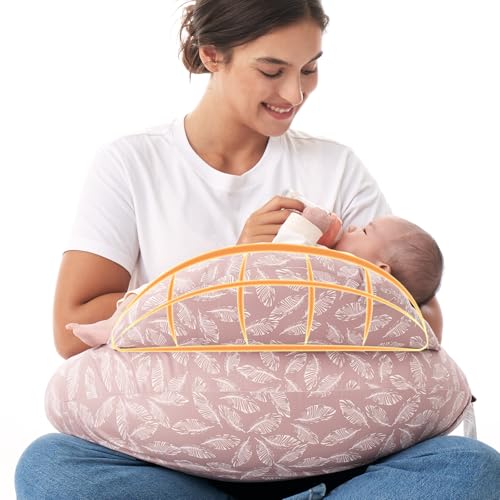
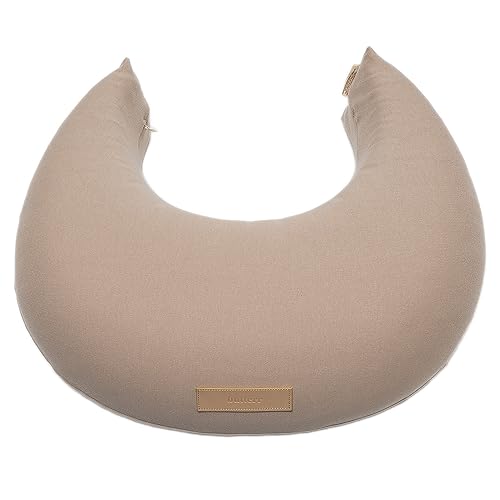
Moreover, nursing pillows can substantially reduce physical strain on the mother’s body during feeds. When a baby is properly supported by the pillow, the mother can avoid unnecessary bending or straining of her back and arms, minimizing the risk of discomfort or injury. This aspect is particularly important for new mothers who may already be experiencing physical changes and fatigue during the postpartum period. By alleviating such stress on the neck and shoulders, a nursing pillow can contribute to a more relaxing feeding routine.
In addition to the physical benefits, nursing pillows also play a crucial role in promoting bonding between the mother and her baby. The close positioning facilitated by a nursing pillow encourages skin-to-skin contact, which can foster feelings of security and love for the newborn. This intimate connection is not only essential for emotional well-being but can also enhance breastfeeding success. Overall, the use of nursing pillows can significantly enrich the breastfeeding experience by improving comfort, reducing physical strain, and enhancing the critical bond between mother and child.
Different Types of Nursing Pillows
Nursing pillows come in a variety of shapes, materials, and features, each designed to meet the specific needs of breastfeeding mothers and their babies. Understanding the different types of nursing pillows available can help parents make informed decisions regarding which type might be best suited for their circumstances.
One of the most common styles is the crescent-shaped pillow, which supports the baby at a comfortable height while allowing the mother to maintain proper posture. This type of pillow often fits snugly around the waist, providing stability and ease during feeding sessions. Typically made from soft cotton or polyester, these pillows often come with removable covers for easy washing.
Another design is the wedge nursing pillow. This type is particularly beneficial for mothers who may have undergone Cesarean sections as it helps elevate the baby while minimizing pressure on the healing area. Wedge pillows are usually made from denser foam and can also be used during tummy time and for propping up infants as they grow.
For parents who prefer versatility, the multi-use nursing pillow is an excellent choice. These pillows feature a unique design that can be used for breastfeeding, bottle feeding, or even as a support pillow for infants learning to sit. Crafted from a variety of materials, they often include adjustable components to customize the height and firmness for optimal support.
Finally, there are specialized nursing pillows designed for twins. These larger, U-shaped pillows allow mothers to comfortably feed two babies simultaneously, ensuring that both infants are adequately supported. These pillows often feature compartments for both babies, providing added structure and security.
In summary, the diverse range of nursing pillows available today caters to various needs and preferences. By understanding the differences in shapes, materials, and functions, parents can choose the best nursing pillow to enhance their breastfeeding experience.
How to Choose the Right Nursing Pillow
Selecting the appropriate nursing pillow is a crucial decision for breastfeeding mothers, as it can significantly impact the comfort and efficiency of the nursing experience. To ensure that you make an informed choice, it is essential to consider several factors, including size, shape, firmness, material, and ease of cleaning.
First, consider the size of the nursing pillow. A well-chosen pillow should comfortably accommodate both the mother and the baby. It is advisable to select a pillow that allows for adequate support and stability for the infant during feeding sessions, while also being the right height for the mother. A good nursing pillow should ideally elevate the baby to the breast level, minimizing strain on the mother’s back and arms.
Next, examine the shape of the nursing pillow. Different shapes, such as the classic crescent or a more ergonomic design, cater to various preferences and feeding positions. Some mothers may prefer a U-shape for side-lying nursing, while others might find a straight design easier to adapt to different situations. It’s beneficial to choose a shape that best aligns with the feeding methods you plan to utilize.
Firmness is another aspect to contemplate. A pillow that is too soft may not provide adequate support, leading to discomfort during feeding, while one that is overly firm may not conform well to the body. Look for a balance that offers both support and comfort for both mother and child.
Additionally, consider the material of the nursing pillow. Opt for hypoallergenic, breathable fabrics that ensure comfort for the baby and are gentle against sensitive skin. Lastly, ease of cleaning is paramount as spills and accidents can occur. A removable and washable cover is indispensable for maintaining hygiene and prolonging the life of your nursing pillow.
By paying attention to these essential elements, parents can select a nursing pillow that best fits their needs, ultimately supporting a more enjoyable breastfeeding experience.
Tips for Proper Use of Nursing Pillows
Utilizing a nursing pillow effectively can enhance the breastfeeding experience for both mother and baby. The positioning of the nursing pillow is a crucial factor; it should be adjusted to support the baby at breast height, allowing for a comfortable latch. Mothers should aim to keep the infant in a close, tummy-to-tummy position to facilitate an optimal breastfeeding angle. It’s advisable to place the nursing pillow around the waist and ensure it is firmly positioned so that it does not slip during use. This stable support allows for more relaxed and longer feeding sessions without straining the mother’s arms or back.
As the baby grows, adjustments to the nursing pillow may be necessary. Infants may need additional support as they gain weight and develop new feeding positions. Many nursing pillows are designed to accommodate these changes, with adjustable features or removable inserts to increase height. It is essential to monitor the baby’s comfort and ensure that their head remains at a comfortable level for latch-on. Additionally, experimenting with different feeding positions such as the cradle hold or the side-lying position can maximize the efficacy of the nursing pillow while keeping the baby secure.
Integrating the nursing pillow into various feeding scenarios can also enhance the experience. For mothers who are nursing while sitting in a chair or on the couch, placing the pillow on the lap can help create a gentle incline for the baby, making it easier for them to feed. In other situations, such as when nursing in bed, mothers may find it beneficial to use the pillow to support their own back or arms. This versatility not only aids in finding comfort during feeding sessions but also allows for the adjustment of the pillow’s position according to individual needs and preferences.
Common Misconceptions About Nursing Pillows
Nursing pillows have garnered various misconceptions that can lead to confusion among new mothers and caregivers. One prevalent myth is that nursing pillows are only beneficial for breastfeeding. While it is true that these pillows provide essential support during breastfeeding, their uses extend far beyond this singular purpose. Nursing pillows can also be advantageous for mothers who bottle-feed, aiding in the positioning of the baby for a comfortable feeding experience. The support offered by nursing pillows helps alleviate strain on the mother’s arms and back, regardless of the feeding method chosen.
Another common misconception is that nursing pillows are unnecessary for experienced mothers. This belief underscores the importance of recognizing that each breastfeeding journey is unique, regardless of a mother’s previous experiences. Even seasoned parents may encounter challenges that can be mitigated with the help of a nursing pillow. For instance, the right pillow can enhance positioning and support, allowing for a more relaxed feeding time for both the mother and baby. It is essential to approach each breastfeeding or feeding phase with an open mind, as varying circumstances may require different levels of support.
Furthermore, some individuals misunderstand the versatility of nursing pillows. Many parents assume that once the nursing phase is over, the pillow will no longer be useful. However, nursing pillows can serve various other functions, such as providing support during tummy time or aiding in propping the baby up as they develop to sit independently. The multifunctionality of these pillows highlights their value beyond the breastfeeding stage and makes them a worthy investment for any nursery.
Caring for Your Nursing Pillow
Maintaining the cleanliness and shape of your nursing pillow is crucial for ensuring its longevity and functionality. Nursing pillows are often subjected to spills, drool, and other messes, so proper care is essential. First and foremost, always check the manufacturer’s care instructions, as different materials may require specific cleaning methods. Most nursing pillows come with a removable cover, which is usually machine washable. Make sure to wash the cover in cold water to maintain its shape and color, and use a gentle detergent.
When it comes to the pillow itself, some models are designed to be spot cleaned, while others can be washed in the machine. If spot cleaning is necessary, use a mild soap solution and avoid harsh chemicals. Additionally, ensure the pillow is completely dry before using it again to prevent mold or mildew buildup. Sometimes, a nursing pillow may lose its shape over time; in this case, fluffing it regularly can help restore its original form. Simply squeeze and knead the pillow occasionally to redistribute the filling and retain its supportive properties.
Proper storage is another component of nursing pillow care. When not in use, keep your nursing pillow in a cool, dry place, away from direct sunlight. Avoid folding or crushing the pillow, as this may cause long-lasting deformation. Consider using a pillowcase or storage bag to keep it clean and dust-free during storage. By following these guidelines, you can enhance the durability and cleanliness of your nursing pillow, ensuring it remains a reliable tool during breastfeeding or bottle-feeding.
Conclusion and Final Thoughts
In conclusion, nursing pillows play an essential role in providing support to both mothers and infants during breastfeeding sessions. They are designed to alleviate strain on the body while ensuring that the baby is positioned comfortably and securely. The benefits of using a nursing pillow include improved posture, reduced back and shoulder pain, and a more peaceful feeding experience for both mother and child.
Throughout this guide, we have explored various types of nursing pillows available on the market, including the traditional crescent shape, the adjustable designs, and more specialized options such as breastfeeding pillows that cater to specific needs. Understanding the features and benefits of each type is crucial in identifying a nursing pillow that best suits one’s individual requirements.
When considering a nursing pillow, it is imperative to take into account personal preferences, body mechanics, and the baby’s comfort. Potential users should weigh aspects such as size, firmness, and material to ensure that the pillow meets expectations. Moreover, mothers may benefit from seeking recommendations and reading reviews to identify which pillows work best for different situations, such as nursing in a chair or bed.


In summary, investing in a nursing pillow can significantly enhance the breastfeeding experience. By offering the necessary support and comfort, these pillows can help foster a positive bonding experience between mother and child. As you explore options, remember to keep your unique needs in mind to select the ideal nursing pillow that will serve as a tool for both convenience and well-being during the precious moments of feeding.
As an Amazon Associate, I earn from qualifying purchases.