Introduction to Baby Wraps
Baby wraps are a type of carrier that allows caregivers to securely hold their infants close while keeping their hands free. Traditionally made from soft, flexible fabric, these wraps have been used across various cultures for centuries. The concept of babywearing is not a novel phenomenon; it dates back to ancient times when parents needed to tend to daily tasks while maintaining a close bond with their children. Today, the cultural resurgence of babywearing reflects contemporary parents’ demand for practical and nurturing solutions in their busy lives.
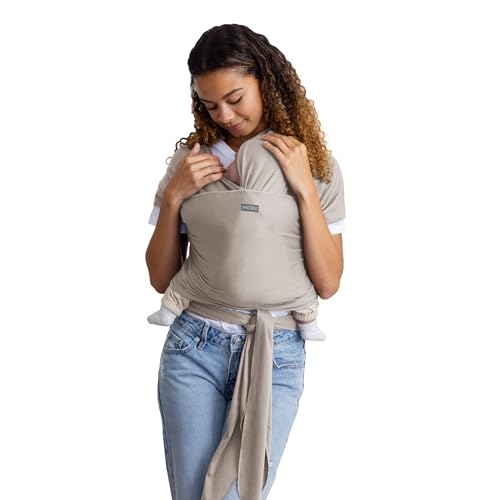

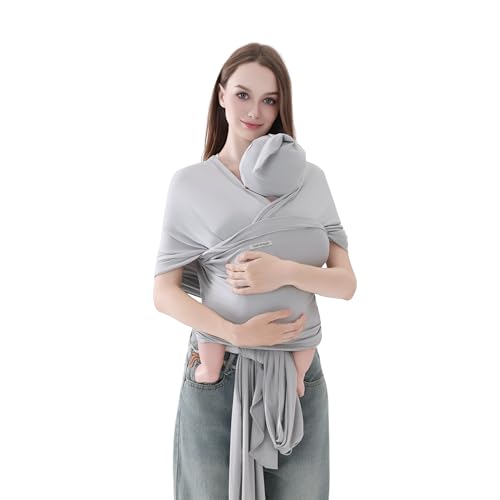
The increasing popularity of baby wraps can be attributed to their numerous benefits. First, they promote the healthy development of infants, as close contact with caregivers enhances bonding and emotional security. Studies suggest that the physical closeness fosters greater attachment, which is essential for a child’s social and emotional growth. Furthermore, baby wraps provide ergonomic support, distributing the child’s weight evenly across the caregiver’s body, thereby minimizing strain and discomfort. This feature is particularly advantageous for parents who need to wear their babies for extended periods.
In recent years, baby wraps have gained traction among new parents due to their versatility and ease of use. They come in different fabrics, styles, and lengths, catering to diverse preferences and needs, from lightweight cotton for summer outings to thicker materials for added warmth in cooler months. The adaptability of baby wraps allows caregivers to carry their infants in various positions, accommodating growth stages from newborns to toddlers. As more parents advocate for hands-free parenting options, baby wraps exemplify a blend of functionality, comfort, and connection that resonates in today’s fast-paced world.
Types of Baby Wraps
Baby wraps are an essential tool for modern parenting, combining comfort and versatility to meet the diverse needs of caregivers and their little ones. Among the various types of baby wraps available, three primary categories stand out: woven wraps, stretchy wraps, and hybrid wraps. Each type offers unique material compositions and suitability based on the age and weight of the baby.
Woven wraps are crafted from sturdy, long-lasting fabrics, which are often cotton, linen, or a blend of materials. These wraps are designed to be secured with different carrying techniques, providing excellent support for both newborns and older infants. Due to their robust construction, woven wraps can comfortably carry heavier babies and toddlers but may require a bit more practice to master the wrapping technique.
Stretchy wraps, in contrast, are usually made from elastic materials, making them soft and easy to manipulate. They are particularly beneficial for newborns and young infants, typically up to about 6 months of age. The stretch in these wraps allows for a snug fit, which can provide additional comfort and security for the baby. However, as the child grows, stretchy wraps may offer less support for heavier weights, making them less ideal for older babies.
Hybrid wraps represent a blend of the characteristics found in woven and stretchy wraps. They combine the comfort of elastic material with the supportive qualities of woven fabrics. Designed to accommodate various baby weights, hybrid wraps allow for different carrying positions and can be a versatile choice for parents as their baby grows. Their adaptability makes them suitable for a wider age range, from newborns to toddlers, without sacrificing support.
Benefits of Using Baby Wraps
Baby wraps have gained popularity among new parents as an essential tool for nurturing their infants. These versatile carrying methods offer several benefits that contribute immensely to both parent and baby well-being.


One of the foremost advantages of using baby wraps is the profound sense of safety they provide. Wrapped securely against the caregiver’s body, infants experience a reduced likelihood of falling, promoting safety during daily activities. The snug fit of the fabric mimics the womb, which can help soothe babies, allowing parents to comfortably engage in activities while having their child close.
Another significant benefit of baby wraps is the opportunity for enhanced bonding. Skin-to-skin contact promotes emotional attachment between caregiver and child, essential for healthy development. This closeness ensures that parents can respond promptly to their baby’s needs, which fosters a stronger relationship and helps establish trust, critical both for attachments and for the infant’s emotional regulation.
Comfort is also a key benefit of using baby wraps. These wraps distribute the weight of the baby evenly across the caregiver’s body, reducing strain on the back and shoulders compared to traditional baby carriers. Additionally, many wraps are made from soft, breathable fabrics that ensure comfort for the baby, keeping them at a comfortable temperature while being carried.
Convenience is yet another hallmark of baby wraps. They can be easily folded, stored, and transported in a diaper bag, allowing for on-the-go parenting without the bulk of a stroller. Furthermore, parents can quickly put on and take off wraps without disturbing a sleeping baby, making outings or household chores easier.
In conclusion, baby wraps offer myriad benefits that promote safety, bonding, comfort, and convenience. By providing a secure environment for the child and enhancing the caregiver’s experience, these wraps play an essential role in modern parenting strategies, ultimately supporting healthy development and nurturing attachments.
How to Choose the Right Baby Wrap
Selecting the appropriate baby wrap involves several important considerations to ensure both comfort and safety for your child. One of the primary factors to take into account is the fabric used in the wrap. Common materials include cotton, linen, and blended fabrics. Cotton is particularly popular due to its soft texture, breathability, and ease of care. For warmer climates, lightweight options such as linen are ideal, while those seeking durability may prefer blended fabrics with spandex for stretchability.


Another essential aspect of choosing a baby wrap is its size. Baby wraps come in various lengths and widths, affecting how they can be tied and fitted to the wearer’s body. A longer wrap can provide more secure carrying positions, while a shorter wrap may be easier to manage for quick adjustments. Additionally, considering the weight capacity of the wrap is crucial. Ensure that the wrap you select can comfortably support your baby’s weight as they grow. Generally, wraps accommodate newborns and up to toddlers, varying by brand.
Ease of use should not be overlooked when selecting a baby wrap. Some wraps come with instructional guides or online video tutorials, which can greatly aid first-time users. If you are a beginner, seek wraps that offer clear instructions and an intuitive design. It is also beneficial to test different carrying positions if possible. Make sure to consider your comfort, as a wrap that does not distribute weight evenly can lead to strain on your back or shoulders. Overall, carefully evaluating these factors will help ensure you find a baby wrap that meets both your and your baby’s needs effectively.
How to Properly Use a Baby Wrap
Using a baby wrap effectively involves understanding the basic techniques and ensuring safety for both the caregiver and the infant. To start, it is crucial to choose a wrap that suits your body type and your baby’s weight and age. Fabrics such as cotton, linen, or stretchy blends are preferred for their comfort and breathability.
First, prepare the wrap by laying it out flat and finding the center. Hold the center of the wrap against your belly, and crisscross the ends behind your back, then bring them around to the front. This initial step is essential for providing the necessary support. Ensure that the fabric is snug but not overly tight, allowing for some stretch while still maintaining security.
Next, there are several carrying positions to consider, each catering to different needs. For a newborn, the ‘front cradle hold’ offers the closest contact while supporting their head and back. Once the baby gains head control, you can transition to the ‘upright carry.’ In this position, ensure the baby is seated in an ‘M’ shape, where their knees are positioned higher than their bottom, promoting healthy hip development.
For a more adventurous outing, you might explore the ‘hip carry’ method. This allows for greater freedom of movement for the caregiver while keeping the baby close. Again, ensure that the baby is securely held in an ergonomic position. As with all carrying techniques, constantly check for signs of discomfort from your infant, and adjust accordingly.
Finally, safety is paramount: when using a baby wrap, regularly check that the airway is clear, the fabric is secure, and the baby can be comfortably seen and kissed. Practicing these techniques builds confidence and ensures a positive experience for both you and your baby.
Caring for Your Baby Wrap
Maintaining the cleanliness and integrity of your baby wrap is essential not only for hygiene but also for prolonging its lifespan. Different materials used in baby wraps require specific care instructions, so understanding these is vital for any parent wishing to ensure their wrap remains in optimal condition.
For cotton baby wraps, which are popular for their durability and breathability, machine washing on a gentle cycle with cold water is generally recommended. It is best to avoid using bleach or fabric softeners, as these chemicals can deteriorate the fabric fibers over time. Instead, opt for a mild detergent that is free from harsh chemicals. After washing, air-drying your cotton wrap is advisable; this method minimizes the risk of shrinkage and preserves its shape.
Wraps made from blends, such as cotton and spandex or wool, may require more delicate handling. Wool wraps, for instance, should not be machine-washed but rather hand-washed in cool water with a wool-specific detergent. Gently press the water out of the fabric without wringing it. To dry, lay it flat on a towel which helps to maintain the wrap’s original dimensions.
When it comes to storage, ensure your baby wrap is kept in a cool, dry place to prevent mildew and odors. Folding the wrap neatly or rolling it can prevent creases, which may affect its usability. Lastly, always check for specific care instructions provided by the manufacturer, as different brands may have unique recommendations pertinent to their materials. Following these best practices will ensure your baby wrap remains both hygienic and functional, providing comfort and versatility for you and your child.
Common Mistakes to Avoid When Using Baby Wraps
Using baby wraps can be an effective way to keep your little one close while promoting bonding and allowing for hands-free parenting. However, both new and seasoned parents often make mistakes that can compromise safety, comfort, and the overall experience. Awareness of these issues is essential for making the most of your baby wrap.
One of the most common mistakes involves improper positioning. Parents must ensure that the baby’s chin is elevated, and the head is supported at all times to avoid slumping, which can lead to breathing difficulties. It is vital to position the baby in a way that maintains proper alignment of the spine and neck. To do this effectively, parents should regularly check the baby’s position while they are in the wrap, looking for signs of discomfort or adjustment needs.
Another prevalent issue arises from inadequate sizing and selection of wraps. Different types of baby wraps are available, each designed to accommodate varying weights, sizes, and age groups. Selecting a wrap that does not suit the child’s size can lead to discomfort and insecurity. Additionally, experimenting with different wraps can help parents discover which style offers the best comfort and support for their child.
It is equally important to be cautious about the environment when using a baby wrap. Parents often forget to consider things like weather conditions or indoor spaces that may not be conducive to using a wrap. For instance, it may be too hot to wrap a baby snugly on a warm day, so a cooler method might be necessary. Likewise, navigate tight environments with awareness to ensure the safety of both the parent and baby.
Overall, being mindful of these common mistakes can enhance the experience of using a baby wrap, ensuring that both parent and child enjoy the many benefits it offers.
Alternatives to Baby Wraps
While baby wraps are widely regarded for their comfort and versatility, other babywearing options, such as baby carriers, slings, and backpacks, also merit consideration. Each alternative offers its unique features and benefits, catering to diverse parenting styles and situations.
Baby carriers, often structured and more supportive, provide an ergonomic design that can distribute the baby’s weight evenly across the parent’s body. This design is particularly beneficial for those planning extended wear, as many carriers support various carrying positions such as front, side, and back carries. They may also feature adjustable straps and buckles, making them user-friendly and suitable for caregivers of different sizes.
Sling wraps are another alternative that combine elements of wraps and carriers. Typically worn over one shoulder, slings allow for easy adjustments and quick access to the baby. They are particularly handy for short excursions or when transitioning between indoor and outdoor environments. However, their asymmetrical design may lead to discomfort during prolonged use.
Backpacks designed for babywearing, also known as toddler carriers, are ideal for outdoor adventures or hiking. These carriers often offer more structure, padded support, and additional storage space for essentials, making them preferable for parents who are active or plan to spend extended periods away from home. However, they may not provide the same closeness and emotional bonding offered by wraps and slings.
Ultimately, the choice between these alternatives and baby wraps largely depends on individual parenting needs, lifestyle, and personal preferences. It is essential to assess the specific circumstances where each option may be used effectively to determine the best fit for both the parent and the child.
Conclusion and Final Thoughts
In exploring the world of baby wraps, we have illuminated their myriad benefits and versatile nature. Baby wraps are not merely a functional item for carrying infants; they serve as a valuable tool for enhancing the bonding experience between parent and child. The intimate contact afforded by using a baby wrap fosters emotional connections and provides infants with a sense of security.

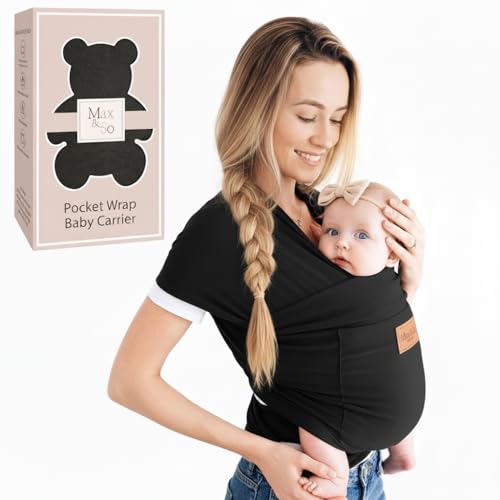
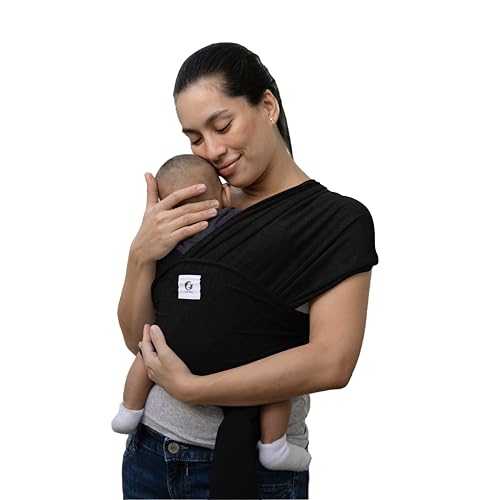
Throughout this blog post, we have discussed various types of baby wraps available in the market, such as woven wraps, stretchy wraps, and ring slings, highlighting their unique features and suitable applications. Each style offers different advantages that cater to diverse parental needs, preferences, and lifestyle choices. Additionally, the ergonomic designs of many baby wraps support proper hip positioning for babies, promoting healthy physical development during those crucial early months.
When choosing the right baby wrap, considerations such as fabric type, your baby’s age, and your personal comfort level truly make a difference. Furthermore, learning different wrapping techniques can enhance the experience, allowing parents to carry their babies in various positions as they grow. It is important to seek out instructional materials, workshops, or community resources to gain confidence in using a baby wrap safely and effectively.
Ultimately, baby wraps go beyond their practical use; they are about nurturing the connection between a parent and a child. As you embark on your parenting journey, we encourage you to explore baby wraps further. This investment in your child’s comfort and your own convenience can greatly enrich your parenting experience, allowing for greater freedom and mobility while keeping your baby close at heart.
As an Amazon Associate, I earn from qualifying purchases.