Introduction to Tripods
Tripods are indispensable tools in the world of photography and videography. Their primary purpose is to provide stability for cameras, allowing content creators to capture clear and sharp images or videos. By minimizing camera shake, tripods facilitate longer exposure times and enhance the overall quality of the final product. For photographers and videographers, the importance of using a tripod cannot be overstated, particularly when working in challenging conditions such as low light or uneven terrain.

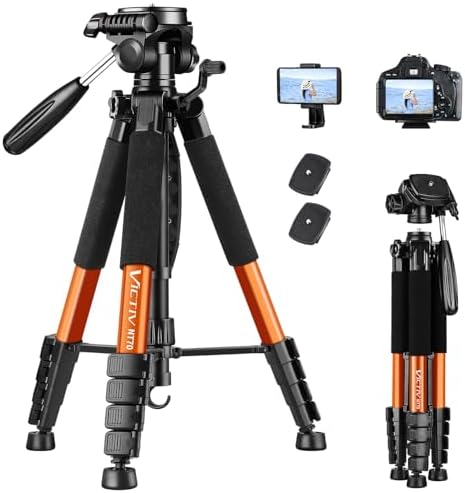
Stability is a critical factor in achieving professional-looking results. When a camera is mounted on a tripod, it remains fixed in place, enabling the photographer to frame their shot precisely without the worry of unintentional movement. This stability is vital for various styles of photography, including landscapes, portraits, and macro shots, where even the slightest movement can lead to blurriness. In addition, tripods allow for creativity in framing and composing shots that might be difficult to achieve with just handheld shooting.
The versatility of tripods further adds to their importance for content creators. Many models come with adjustable height settings and flexible legs that can adapt to uneven surfaces, enabling users to achieve the perfect angle for their shots. Moreover, some tripods are equipped with features such as panning heads or quick-release plates, enhancing the ease with which content creators can switch between various shooting styles. By utilizing tripods effectively, photographers and videographers can push their creative boundaries and explore new perspectives, ultimately leading to improved production quality.
Different Types of Tripods
When selecting a tripod, content creators should be aware of the various types available on the market, each suited to different situations and requirements. Understanding these types will aid in making an informed decision regarding which tripod best fits one’s filming or photography needs.
Standard tripods are the most common type and are favored for their versatility. These tripods typically feature adjustable legs and a pan-and-tilt head, allowing for a range of shooting angles. They are ideal for studio photography and general outdoor use, providing stability in various environments.
Travel tripods, on the other hand, are designed for portability. These lightweight and compact options collapse down to a smaller size, making them easy to carry. Travel tripods often sacrifice some height and stability. However, they remain a favorite among those who prioritize a balance between weight and functionality on their journeys.
For those in need of extra strength and stability, heavy-duty tripods are an excellent choice. These are crafted from robust materials, capable of supporting heavier cameras and lenses, making them suitable for professional photographers. Their sturdy build generally allows them to withstand windy conditions and adapt to uneven terrain.
Tabletop tripods cater to a niche market by providing a stable surface for shooting. These are compact and often used in situations where space is limited, such as interviews or product shoots on a desk. Their size does not compromise their ability to capture creative angles effectively.
Lastly, flexible tripods typically feature adjustable legs that can bend and wrap around various objects. This adaptability allows for unique shooting positions that standard tripods cannot achieve. They are particularly beneficial for vloggers who require versatility in dynamic shooting environments.
Key Features to Consider When Buying a Tripod
When selecting a tripod, content creators must evaluate several key features to ensure they invest in a tool that meets their specific needs. One of the primary considerations is height adjustment. A tripod with adjustable legs allows users to achieve the desired shooting height, accommodating various shooting scenarios—from ground-level shots to elevated angles. The ability to extend and retract the legs is crucial for flexibility during different types of shoots.
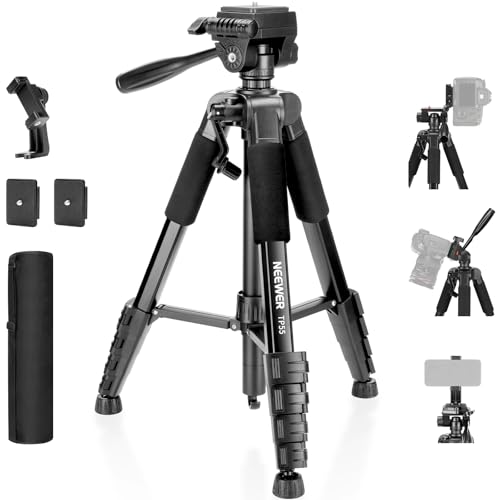

Another important factor is the weight capacity of the tripod. Content creators should assess the weight of their camera gear, including lenses and accessories, to choose a tripod that can support the total weight without compromising stability. A tripod with a lower weight capacity may be at risk of tipping, leading to potential damage to expensive equipment.
The material of the tripod also plays a significant role in its functionality. Most tripods are made from either aluminum or carbon fiber. Aluminum tripods tend to be more affordable and provide decent stability, but they can be heavier. Conversely, carbon fiber tripods are lighter and more robust, allowing for ease of transport, though they come at a higher price. Content creators should decide which material aligns better with their budget and use cases.
Stability features cannot be overlooked. Look for tripods that include rubber feet or spikes to secure the tripod firmly on different terrains. Additionally, features such as a hook for adding weight can further enhance stability, especially in windy conditions.
Finally, consider the type of tripod head included. Options like ball heads or pan-tilt heads offer different levels of adjustment flexibility. Ball heads provide quick movement and adjustment, whereas pan-tilt heads allow for precise control over angles, making them suitable for more demanding shooting situations.
Building a Tripod Setup for Various Scenarios
Creating high-quality content often requires a stable and reliable tripod setup tailored to the specific needs of your project. Each content creation scenario—be it live streaming, photography, vlogging, or professional video shoots—demands a unique approach to tripod configuration. Understanding these differences is crucial for achieving optimal results.


For live streaming, a tripod needs to be easily adjustable and robust enough to support the camera and any additional equipment like lights or microphones. Consider utilizing a tripod with a fluid head to enable smooth panning and tilting movements. This flexibility allows content creators to engage with their audience while maintaining a dynamic visual aesthetic. Additionally, ensure that the tripod is stable, as shaky video can lead to viewer disengagement.
In photography, the key factor is to secure the camera for long exposure shots without movement. A sturdy tripod with a low center of gravity is often recommended. Utilizing features like a quick-release plate will facilitate fast adjustments, allowing photographers to capture spontaneous moments effectively. It is also advisable to explore tripods with adjustable leg angles, enabling creative perspectives and compositions.
For vloggers, portability and ease of use are paramount. A lightweight and compact tripod can be an excellent choice for on-the-go shooting. Many vlogger tripods also come equipped with built-in smartphone holders, which can be exceptionally beneficial given the rise of mobile content creation. Integrating features like a collapsible design ensures that it can be easily transported without sacrificing stability.
In professional video shoots, the tripod setup needs to cater to various filming methods. Using a tripod with adjustable height and a leveling base will assist in achieving the perfect framing for every shot. This is particularly useful in dynamic shooting environments where changes in angles or elevations are frequent. Investing in tripods designed for professional use that incorporate advanced features can significantly enhance the overall production quality.
Care and Maintenance of Your Tripod
A tripod is an essential tool for content creators, enhancing stability and precision during photography and videography sessions. Proper care and maintenance can significantly extend the lifespan and efficiency of your tripod. Here are several tips to ensure your tripod remains in optimal condition.
First and foremost, regular cleaning is vital. After each use, particularly in outdoor environments, inspect your tripod for dirt, sand, and debris. Use a soft microfiber cloth to gently wipe the legs and head of the tripod. For more stubborn grime, a damp cloth with a mild detergent can be employed, but ensure all components are thoroughly dried afterward to prevent rust and corrosion.
Next, pay attention to the joints and locks. These areas are crucial for maintaining stability. Periodically apply a small amount of lubricant designed for metal or plastic parts to the joints to ensure smooth operation. However, avoid over-lubricating, as this could attract dirt and interfere with performance.
When it comes to storage, always keep your tripod in a dry, cool area away from direct sunlight. If your tripod includes a carrying case, using this can prevent physical damage from bumps or falls. Additionally, avoid placing heavy objects on top of your tripod while stored, as this can affect its structure and functionality.
Lastly, after every session, conduct a thorough inspection. Check for any signs of wear and tear, such as cracks, stripped threads, or loose components. If you notice any issues, address them promptly, as neglecting repairs could lead to more significant problems in the future. By following these care and maintenance practices, you can ensure that your tripod remains a reliable companion in your creative pursuits.
Cost vs. Value: Choosing the Right Tripod for Your Budget
When navigating the market for tripods, content creators will find a wide array of price points alongside varying levels of quality and functionality. Understanding how to balance cost against value is crucial for making an informed decision that fits within a given budget. Typically, tripods can be categorized into three broad price ranges: budget, mid-range, and premium.
In the budget category, content creators can find basic tripods that meet the essential needs. However, these models might lack advanced features such as durability against heavy winds or flexibility in positioning. While budget tripods are economically appealing, creators must be cautious; the lowest price may not always grant satisfactory longevity or performance.
Mid-range tripods, often strike a balance between quality and affordability. These tripods frequently incorporate features that enhance usability, such as smoother panning capabilities and better construction materials that resist wear over time. They are particularly suited for amateur photographers and videographers looking to elevate their content without a significant financial strain.
The premium category, showcases the highest quality materials, enhanced stability, and advanced features. These models are crafted for professional content creators who require maximum versatility and reliability. Investing in a premium tripod can dramatically improve the quality of the visual content produced, but it is essential for creators to assess whether such an investment aligns with their specific needs and expected return.
Ultimately, the key to selecting the right tripod involves identifying which features are indispensable for the creator’s style. Conducting thorough research on products within different price ranges will equip content creators with the insights necessary to determine the best value for their budget.
Conclusion: Choosing Your Perfect Tripod
In the world of content creation, selecting the right tripod is an essential decision that can significantly impact the quality of your work. As we have explored throughout this guide, various factors come into play when choosing the most suitable tripod to meet your specific needs. From understanding the importance of stability and height adjustment to considering materials and portability, each aspect contributes to a tripod’s performance and usability.
Content creators must first assess their shooting environments and techniques. For instance, if you frequently shoot in rugged outdoor settings, a portable, durable tripod with solid construction will likely be your best choice. Conversely, for studio-based content or videos where precise control is paramount, heavier tripods with advanced features, such as fluid heads or adjustable leg angles, would be more advantageous.


Additionally, the type of content being produced plays a crucial role in tripod selection. Vloggers may prioritize lightweight options for mobility, while photographers might lean towards tripods that offer versatility and adaptability to accommodate different lenses and camera setups. Understanding these nuances is vital to enhance your shooting experience and to elevate the overall quality of your content.
Ultimately, the tripod you choose should align with your creative vision and style. By taking the time to evaluate your specific needs and to explore various options, you will be well-equipped to select a tripod that supports your creative endeavors. A well-chosen tripod not only enhances the visual stability of your shots but also allows you to concentrate fully on the art of content creation without distractions.
As an Amazon Associate, I earn from qualifying purchases.