Introduction to Nursing Pads
Nursing pads are essential accessories for mothers who are breastfeeding. Their primary purpose is to provide a layer of protection against breast milk leakage, which can occur between feedings. This leakage, while a natural occurrence, may lead to discomfort and potential embarrassment for mothers. Therefore, nursing pads serve not only as a practical solution but also as a means of maintaining breast health and hygiene.


Breastfeeding can be a fulfilling experience, yet it comes with its challenges. One significant issue that mothers face is the unpredictability of milk flow, which can vary due to several factors such as hormonal changes, time of day, or feeding patterns. This variability increases the likelihood of leakage, making nursing pads a crucial part of a breastfeeding mother’s daily routine. By absorbing excess milk, these pads help keep mothers feeling dry and comfortable, which can be especially important in social situations or during outings.
Furthermore, the use of nursing pads can contribute to better breast health. Moisture retention caused by frequent leakage can lead to skin irritations or infections if not managed properly. Nursing pads offer a simple yet effective way to absorb excess moisture, thereby aiding in the prevention of potential complications. With the market offering various options such as disposable and reusable nursing pads, mothers have the flexibility to choose based on their preferences, convenience, and environmental considerations.
In the discussions that follow, we will explore the differences between disposable and reusable nursing pads, examining the benefits and drawbacks of each type. This comparison will help breastfeeding mothers make informed choices that align with their individual needs and lifestyles.
Understanding Disposable Nursing Pads
Disposable nursing pads are primarily designed for breastfeeding mothers to absorb any milk leakage and maintain comfort and hygiene. They are commonly made from absorbent materials, typically consisting of a combination of non-woven fabric, polymer gel, and cotton. These materials work together to create a soft, absorbent layer that keeps moisture away from the skin, thereby preventing irritation and discomfort.

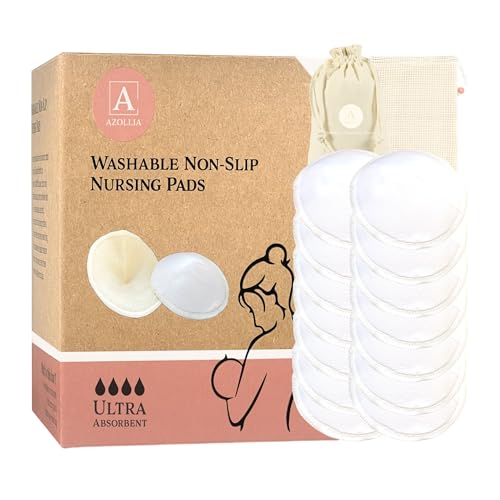
The functionality of disposable nursing pads is straightforward. They are designed to be placed inside a nursing bra or shirt, providing an extra layer of protection for the clothing and preventing embarrassing leaks. Disposable nursing pads excel in terms of convenience, as they are ready to use right out of the package and can be easily discarded after a single use. This eliminates the need for washing, making them a favorable option for mothers seeking simplicity during hectic daily routines.
When considering absorption capacity, disposable nursing pads vary in design and thickness, with some brands offering greater absorbency to cater to heavy leakages. Mothers should select pads based on their personal comfort and leakage needs. While disposable pads can be more expensive in the long run, given that they are single-use and need to be purchased regularly, many users find the convenience worth the cost.
From an ecological standpoint, disposable nursing pads contribute to waste as they are discarded after use. However, many companies are now focusing on eco-friendly materials for their disposable products to help mitigate environmental impacts. Ultimately, the choice between disposable or reusable nursing pads will depend on individual needs, preferences, and lifestyle considerations.
Exploring Reusable Nursing Pads
Reusable nursing pads are an alternative to disposable options, gaining popularity among breastfeeding mothers for several compelling reasons. Typically crafted from soft, breathable fabrics such as cotton, bamboo, or a blend of natural fibers, these nursing pads are designed to absorb milk leakage effectively while providing heightened comfort for the user. The construction of reusable pads often includes multiple layers that enhance their absorbency, ensuring that moisture is contained efficiently without causing discomfort to the skin.


One notable advantage of reusable nursing pads is their eco-friendliness. As environmental concerns continue to rise, many mothers are seeking sustainable options for everyday products. Since reusable pads can be washed and worn multiple times, they significantly reduce waste compared to their disposable counterparts, which contribute to landfill accumulation. This shift towards sustainability not only benefits the environment but also aligns with the values of many modern parents.
Financially, choosing reusable nursing pads can lead to significant savings over time. The initial purchase may represent a higher upfront cost, but the long-term benefits outweigh this expense. By eliminating the need to frequently buy single-use products, mothers can conserve money, especially during the demanding early years of parenting. Furthermore, the durability and longevity of reusable pads make them a more economical choice in quick succession with multiple children.
Comfort is another critical factor that enhances the appeal of reusable nursing pads. Many mothers find that the softness of the materials used in reusable options provides a more gentle solution against sensitive skin. Unlike disposable pads, which may contain synthetic materials that could irritate the skin, reusable nursing pads are often made from materials that allow for better breathability and moisture management.
Nursing pads are an essential accessory for lactating mothers, providing comfort and protection against leaks. When comparing the comfort and fit of disposable versus reusable nursing pads, several factors come into play, including material softness, bulkiness, and breathability.
Disposable nursing pads are typically made from a combination of soft, absorbent materials designed to be lightweight. These pads are often thinner than their reusable counterparts, which can enhance comfort by allowing for discreet wear under clothing. However, the environmental impact of disposables cannot be overlooked, as they contribute to waste which can influence a mother’s decision in favor of reusables.
On the other hand, reusable nursing pads are usually crafted from natural and breathable fibers such as cotton or bamboo. These materials not only provide adequate softness but also promote airflow, reducing the likelihood of irritation. The design of most reusable pads often reflects a more contoured shape, which can enhance their fit and improve overall comfort. While they might be bulkier compared to disposables, many mothers find that their ability to wick moisture away makes them an appealing choice for extended wear.
Furthermore, the choice between disposable and reusable nursing pads can also depend on individual preferences. Some mothers may prioritize the convenience of disposables and enjoy the fact that they can simply throw them away after use, while others may appreciate the sustainability and long-term cost-effectiveness offered by reusable options. The selection often hinges on lifestyle considerations, as well as personal values regarding environmental responsibility.
Environmental Impact of Nursing Pads
The choice between disposable and reusable nursing pads carries significant environmental implications that warrant careful consideration. Disposable nursing pads are designed for one-time use and, as a result, contribute notably to landfill waste. According to research, in a country where approximately 1,000,000 babies are born each year, the use of disposable nursing pads can lead to millions of pads being discarded annually. Each disposable pad is often composed of plastic and absorbent materials that take hundreds of years to decompose, resulting in a considerable environmental footprint.
In contrast, reusable nursing pads are typically made from natural materials, such as cotton or hemp, which can be washed and reused multiple times. This not only reduces landfill contributions but also conserves resources since the manufacturing process for reusable pads generally requires less energy and raw material over their lifetime. Estimates suggest that switching to reusable nursing pads can save approximately 4,500 disposable pads per breastfeeding journey, contributing to a more sustainable approach.
Furthermore, the production and disposal of disposable nursing pads generate significant carbon emissions and pollution. On the other hand, while reusable nursing pads do require water and energy for washing, they tend to be more eco-friendly overall when incorporated into a sustainable washing routine. Eco-conscious parents may consider factors such as their laundry habits and water usage when evaluating the environmental impacts.
Ultimately, the decision between disposable and reusable nursing pads holds considerable weight regarding environmental stewardship. By considering the statistics regarding waste generation and sustainability, individuals can make informed choices that align with their personal values and environmental concerns.
Cost Analysis: One-Time vs Ongoing Expenses
When considering nursing pads, one significant factor is the cost associated with either option: reusable or disposable. Disposable nursing pads are generally designed for single use, leading to the need for continuous purchases over time. In contrast, reusable nursing pads require an initial investment but can be periodically washed and reused, resulting in less frequent expenses.
The cost of disposable nursing pads can accumulate quickly. A single box of disposables typically contains anywhere from 30 to 60 pads, and the average price ranges from $6 to $15 per box, depending on the brand and absorbency level. If a nursing mother uses 5 to 8 pads per day, the costs can soar to $120 to $180 per month. Over a year, this amounts to approximately $1,440 to $2,160, assuming a consistent use and price point.
On the other hand, reusable nursing pads often range from $10 to $30 for a pack of 4 to 6 pads, depending on the fabric and absorbency chosen. Although this upfront investment is higher compared to a single box of disposables, the expense can be viewed over a longer term. If each reusable pad lasts for several months or even years, the monthly cost can fall as low as $5 to $15 when divided out. Furthermore, many reusable nursing pads can withstand numerous washes, maintaining their usability over extended periods. This shift significantly reduces the overall expenditure.
Thus, while the initial cost of reusable nursing pads is higher, the long-term financial implications appear favorable, especially when balancing environmental considerations and repeated purchases of disposable pads. Ultimately, the choice between disposable and reusable nursing pads largely depends on individual preferences and lifestyle factors, along with the financial evaluations involved.
User Experiences and Testimonials
Motherhood brings unique experiences, and many mothers have varying opinions regarding disposable and reusable nursing pads. Wendy, a first-time mom, shared her experience with disposable nursing pads. She found them incredibly convenient during her initial weeks postpartum, primarily due to their absorbency and ease of use. “I simply changed them as needed, especially during night feedings, which offered a sense of relief while I adjusted to breastfeeding,” Wendy remarked. However, she later encountered a challenge: she found that the sticky wings sometimes irritated her skin.
In contrast, Sarah, who opted for reusable nursing pads, valued their environmental impact and softness. “I appreciate the fact that I am minimizing waste by using cloth pads. They are gentler on my skin and very comfortable,” she states. Sarah mentioned, however, that the laundry component can be classed as a minor inconvenience. “Yes, I have to wash them regularly, but I consider this extra effort worth it for the benefits they provide. Plus, I feel good knowing I’m making a sustainable choice,” she added.
Michelle’s experience bridged both worlds. She started with disposable nursing pads but switched to reusable ones after several weeks. “While I loved the convenience of disposables, they quickly became a financial strain. With reusable nursing pads, I felt I was making a long-term investment,” she explained. Michelle highlighted the importance of finding the right fit, stating that not all reusable pads worked for her: some slipped out of place, while others failed to adequately absorb her needs.
Across these testimonials, a common theme emerges. Mothers express the need for comfort, absorbency, and ease of cleaning when making their choice between disposable and reusable nursing pads. Their insights emphasize that the best option may vary according to individual preferences and circumstances.
Choosing between disposable and reusable nursing pads involves various personal considerations that align with your lifestyle, values, and nursing habits. To begin, consider how often you plan to nurse or pump. If you are in a situation where you will be frequently away from home, disposable pads may offer the convenience and practicality you need. Alternatively, if you are primarily at home, reusable pads could be a more cost-effective and environmentally friendly option.
Next, think about your prioritization of sustainability. Eco-conscious parents may lean towards reusable pads, as they contribute less waste to landfills over time. These products are typically made from organic materials that are safe for your skin and environment. On the other hand, disposable pads might be preferred for their ease of use and the ability to avoid laundry – a major consideration for busy families.
Comfort is another crucial factor when selecting nursing pads. Some mothers might find that reusable pads provide a softer, more breathable option compared to some disposable variants, which can occasionally cause irritation or discomfort. It could be beneficial to sample both options to determine which one feels best during daily activities.
Cost analysis also plays an essential role in your decision-making process. While the initial investment in reusable pads may be higher, they can lead to significant savings over time compared to continuously purchasing disposable pads. Assess your budget and consider how long you intend to breastfeed, as this impacts the overall cost-effectiveness of each choice.
Finally, reflect on your individual nursing experience. Every mother’s journey is unique; therefore, understanding how your nursing habits align with each option’s features will help lead you to the right nursing pad choice.
Conclusion and Final Thoughts
Choosing between disposable and reusable nursing pads is a significant decision that should align with individual needs, preferences, and values. Throughout this discussion, we have highlighted the advantages and disadvantages of both options. Disposable nursing pads offer convenience, ease of use, and efficiency, making them particularly appealing for mothers seeking a hassle-free solution during their breastfeeding journey. However, they also bring up considerations related to environmental impact and long-term expenses.
On the other hand, reusable nursing pads provide an eco-friendly alternative that supports sustainability and can result in cost savings over time. They often boast better comfort and odor control, yet they may require more effort in terms of washing and maintaining hygiene. The choice between these two types ultimately rests on various factors, including lifestyle, budget, and personal values regarding environmental stewardship.
As mothers weigh the pros and cons of disposable versus reusable nursing pads, it is crucial to assess their individual circumstances. Factors such as frequency of travel, sensitivity to materials, and commitment to environmental practices may influence the decision-making process. Therefore, taking time for personal evaluation can greatly assist mothers in selecting the nursing pad option that best fits their needs.
In summary, there is no one-size-fits-all answer to the question of which nursing pads are superior. By reflecting on the discussed aspects and considering personal priorities, mothers can make informed choices that enhance their breastfeeding experiences while also aligning with their values.
As an Amazon Associate, I earn from qualifying purchases.