Introduction to Nursing Pads
Nursing pads, often referred to as breast pads, are specially designed absorbent materials that play a crucial role in the breastfeeding experience. They are typically worn by nursing mothers to prevent leakage of breast milk, which may occur between feedings. This can be particularly beneficial in the early stages of breastfeeding when milk supply is adjusting and may lead to unintended spills. The use of nursing pads can help mothers maintain comfort and confidence while engaging in day-to-day activities.

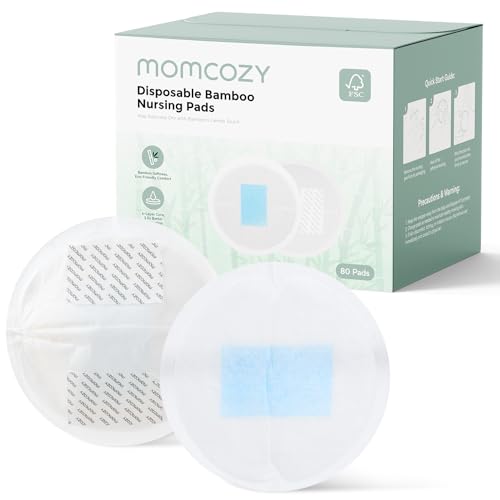
The primary purpose of nursing pads is to provide an extra layer of protection against leaks, ensuring that mothers can go about their daily routines without worrying about embarrassing situations. By absorbing any excess milk, these pads not only help keep clothes dry but also contribute to the mother’s hygiene and comfort by preventing potential skin irritations caused by moisture. They come in various shapes, materials, and sizes, catering to the unique needs of each mother.
Given their inconspicuousness and efficiency, nursing pads often become an essential item in a breastfeeding mother’s toolkit. Understanding how to use nursing pads effectively, as well as how often to change them, is integral to a smooth breastfeeding journey. The frequency of changing nursing pads can depend on factors such as personal milk production, the convenience of breastfeeding schedule, and the type of nursing pad being used. Overall, the role of nursing pads extends beyond mere absorbency; they are instrumental in making the breastfeeding experience more manageable and pleasant for mothers, which underscores the importance of knowing how often they should be changed for optimal comfort and effectiveness.
Understanding the Types of Nursing Pads
Nursing pads are a crucial accessory for breastfeeding mothers, designed to provide comfort and protection against leakage. There are primarily two types of nursing pads available on the market: disposable and reusable. Each type offers its own set of advantages and disadvantages, making it important for mothers to assess their individual needs before making a selection.
Disposable nursing pads are typically made from absorbent materials that provide a convenient option for mothers. They are designed for one-time use, allowing for easy disposal after each breastfeeding session or when leakage occurs. One of the significant advantages of disposable pads is their convenience; they require no washing and can be easily replaced. However, they can be costly over time and may contribute to environmental waste, as they are not biodegradable.


On the other hand, reusable nursing pads are made from materials like cotton or bamboo, which can be washed and used multiple times. This option is often favored by mothers who are concerned about environmental issues and are looking for a more sustainable choice. Reusable pads typically provide a softer feel against the skin and can be more cost-effective in the long run. However, they do require regular cleaning and maintenance, which may not be appealing to every mother, especially during the early weeks when time and energy are limited.
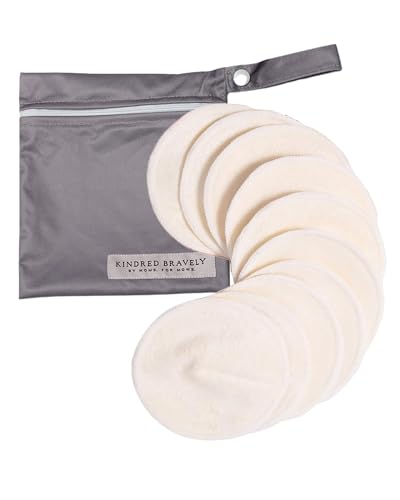

In addition to these two primary types, nursing pads also come in various shapes and sizes to cater to different breast sizes and personal preferences. Some mothers may find that a certain type works best for their body type or lifestyle, while others may prefer to keep a variety on hand. Understanding the intricacies of each option empowers nursing mothers to make informed decisions that align with their comfort and lifestyle needs.
Factors Influencing How Often to Change Nursing Pads
Changing nursing pads is influenced by several key factors that each mother must consider to ensure both comfort and hygiene during breastfeeding. One of the primary factors is the individual’s milk supply. Mothers with a higher milk output may find that their nursing pads require changing more frequently, as they can become saturated quickly. Conversely, those with a lower supply may not need to change their pads as often, allowing for more time between changes without the risk of leakage.
Another significant factor is skin sensitivity. Some mothers may have delicate skin that is prone to irritation when damp for extended periods. For these individuals, changing nursing pads more frequently can help prevent unnecessary skin irritation or infections. It is advisable for mothers to keep an eye on their skin’s condition and adjust the frequency of changes based on their own comfort and any signs of irritation.
Activity level also impacts the need for changing nursing pads. Active mothers or those who exercise may sweat more, leading to a quicker buildup of moisture in the pads. In such cases, changing pads regularly becomes essential to maintain dryness and comfort. Additionally, personal comfort plays a role; some mothers may prefer a fresh pad for peace of mind, while others may adopt a less frequent changing schedule depending on their individual preferences and lifestyle.
Understanding these factors—milk supply, skin sensitivity, activity level, and personal comfort—enables mothers to make informed decisions about how often to change their nursing pads. By paying attention to their own unique situations, mothers can enhance their breastfeeding experience while ensuring comfort and cleanliness.
Signs It’s Time to Change Your Nursing Pads
Nursing pads are an essential item for nursing mothers, designed to soak up breast milk leakage and keep clothing dry. However, it is crucial for mothers to be attentive to the condition of their nursing pads to ensure optimal hygiene and comfort. There are several clear indicators that signal when it is time to change nursing pads.
One of the most prominent signs is leakage. If a nursing pad is saturated and begins to allow milk to seep through, it is essential to replace it immediately to prevent further leakage onto clothing. In addition to causing potential embarrassment, prolonged exposure to wetness can increase the risk of skin irritation and discomfort.
Another key indicator is discomfort. As nursing pads become saturated, they may feel heavy or distorted. This weight can lead to chafing or irritation on the skin, which can be quite uncomfortable for nursing mothers. If you notice that a nursing pad feels unusually soggy or heavy against your skin, it is time to switch it out for a fresh one.
Odor is another significant sign that nursing pads need replacing. Once nursing pads reach saturation, they can develop a distinct and unpleasant smell due to the presence of milk and bacteria. Not only is this odor unpleasant, but it can also lead to skin issues if left unattended. Maintaining proper hygiene by changing nursing pads regularly is vital for overall health.
To summarize, monitoring leakage, discomfort, and any unpleasant odors are critical factors that indicate when it is necessary to change nursing pads. Recognizing these signs can aid in preventing skin irritation and other complications associated with prolonged use of damp pads.
Expert Recommendations and Guidelines
Understanding the appropriate frequency for changing nursing pads is essential for nursing mothers to maintain hygiene and comfort. Experts recommend that nursing pads be changed frequently, ideally every two to three hours or as soon as they become saturated. This recommendation comes from lactation consultants and healthcare professionals who emphasize the importance of keeping the skin dry to prevent irritation and potential infection.
Pediatricians also suggest that nursing mothers pay attention to their personal comfort levels. If a mother feels that her nursing pads are becoming damp, it is prudent to change them immediately to avoid any possible skin issues. The goal is to minimize moisture, as prolonged exposure can lead to rashes or fungal infections. Experienced breastfeeding mothers often share similar strategies, advising new mothers to keep a ready supply of nursing pads available for timely changes.
Moreover, the choice between disposable and reusable nursing pads can influence changing frequency. Disposable pads typically absorb more moisture, allowing for longer wear before necessitating a change, while reusable cloth pads may require more regular changes due to their lower absorbency. It is advisable for mothers to assess their own needs and preferences regarding absorbency and comfort. Ultimately, based on these expert opinions, nursing mothers should prioritize changing nursing pads regularly and attentively, paving the way for an overall better breastfeeding experience.
The Importance of Hygiene When Using Nursing Pads
Maintaining proper hygiene while using nursing pads is crucial for new mothers, as it not only ensures comfort but also plays a significant role in preventing infections and skin irritations. Nursing pads, worn to absorb excess breast milk leakage, can become breeding grounds for bacteria if they are not changed regularly. This can lead to complications such as mastitis or thrush, which can be both painful and detrimental to a mother’s breastfeeding journey.
It is recommended to change nursing pads frequently, ideally when they become damp or soiled. Leaving wet nursing pads in place for too long can irritate the skin, leading to rashes, chafing, or other adverse skin conditions. To minimize the risk of these issues, mothers should consider switching to a clean pad at least every few hours or whenever they notice that the pads feel wet.
In addition to changing nursing pads regularly, proper washing and drying procedures for reusable pads are essential. Wash them in hot water with a gentle detergent to eliminate any lingering bacteria and ensure they are completely dry before reuse. This practice not only maintains the quality of the pads but also safeguards against odors and bacteria buildup.
For those using disposable nursing pads, it is beneficial to have a sufficient supply readily available to ensure that a clean pad is always on hand. While disposable pads offer convenience, mothers should also be aware of their materials; choosing hypoallergenic options can further reduce any chances of skin irritation.
Ultimately, enhancing personal hygiene practices when using nursing pads is vital for a healthy breastfeeding experience. Emphasizing cleanliness ensures that nursing remains a comfortable and healthy process, free from the unconscious risks associated with inadequate hygiene.
How to Choose the Right Nursing Pads for Your Needs
Choosing the appropriate nursing pads is crucial for comfort and effectiveness during the breastfeeding journey. Various factors should be considered to ensure that the selected nursing pads meet individual needs and preferences.
1. Absorbency: One of the primary functions of nursing pads is to absorb excess milk leakage, which can occur unpredictably. It is essential to choose a pad with adequate absorbency based on personal experiences and daily activities. For instance, highly absorbent pads are better suited for overnight use or long outings, while lighter pads may suffice for short periods at home.
2. Comfort: Comfort is another critical aspect to consider when selecting nursing pads. Some mothers may prefer soft materials that feel gentle against the skin, reducing the chance of irritation. Additionally, the thickness of the pads can affect comfort levels; thicker pads may provide more protection but can also feel bulkier, while thinner options might offer a more discreet fit.
3. Material: Nursing pads are available in various materials, including cotton, bamboo, and disposable synthetic options. Cotton and bamboo options are often preferred for their breathability and eco-friendliness, making them suitable for extended wear. Disposable pads, in contrast, may offer convenience but can sometimes lead to skin sensitivities due to their materials.
4. Price Point: Lastly, consider the price point when selecting nursing pads. While it can be tempting to opt for cheaper options, investing in high-quality pads can ultimately lead to greater comfort and satisfaction. Balance your budget with the need for functionality, and explore bulk purchasing options for cost savings.
By evaluating these factors, mothers can confidently choose nursing pads that will best support their breastfeeding experience.
Tips for Managing Milk Leakage
Managing milk leakage is an important aspect of breastfeeding that many mothers encounter. While changing nursing pads regularly is a key method to prevent discomfort and maintain hygiene, there are additional strategies that can effectively mitigate the challenges associated with milk leakage.
First, adopting proper feeding techniques can play a significant role in reducing milk leakage. Ensuring a good latch not only maximizes breastfeeding efficiency but also minimizes any unintentional milk escape. Mothers should position themselves comfortably and consider using a breastfeeding pillow to support their baby at the right height—this can contribute to a more efficient feeding session, which in turn reduces the likelihood of excess milk leaking.
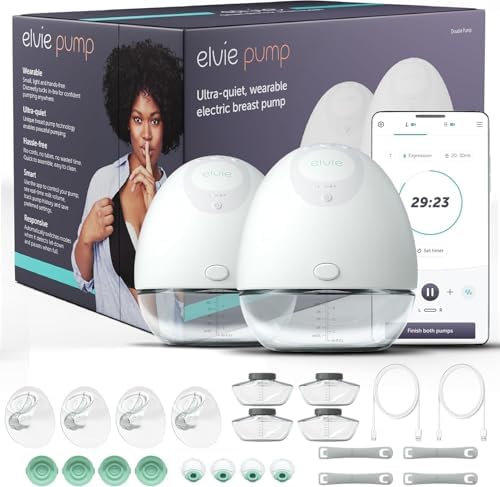
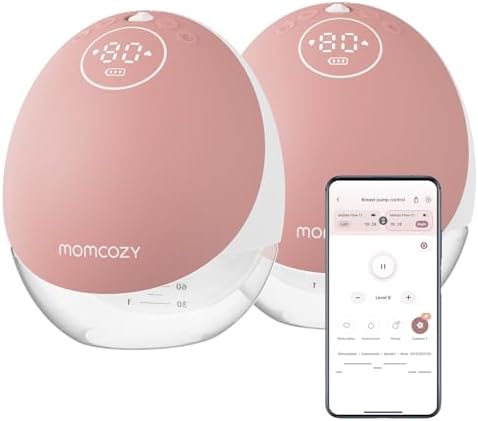
Another beneficial strategy involves using a breast pump. By pumping milk between feeding sessions, mothers can relieve excessive fullness, thus minimizing the chances of leakage during feeds. Additionally, pumping can help build a stockpile of breast milk for later use. However, it’s crucial to not overpump as it may lead to an increase in milk supply and subsequently more leakage.
Wearable protective clothing can also assist in managing milk leakage. Certain specially designed bras and tops come with built-in nursing pads or additional layers of protection that help to contain any unexpected leakage. Investing in high-quality nursing wear can provide both comfort and a sense of security while allowing mothers the freedom to move and care for their child without concern.

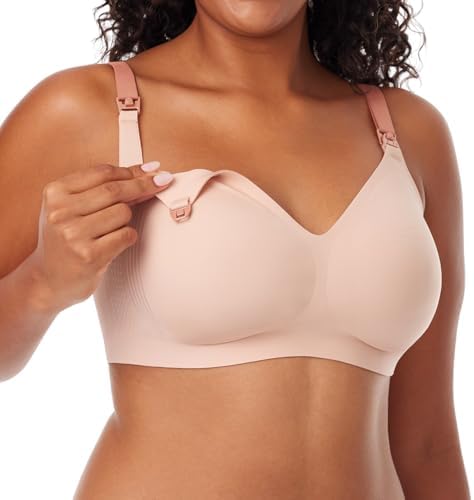
Ultimately, implementing these practical strategies can help mothers feel more in control of their breastfeeding experience, ensuring that they can focus on nurturing their baby without the added worry of milk leakage.
Conclusion: Finding Your Rhythm with Nursing Pads
Finding the right frequency for changing nursing pads is crucial for comfort and hygiene during the breastfeeding journey. Throughout this blog post, we have examined various factors that influence how often nursing pads should be changed. The individual needs of each mother may vary based on multiple aspects, such as milk supply, the frequency of breastfeeding or pumping, and personal comfort levels. Mothers should consider their own experiences and the specific circumstances they face in their day-to-day routines.
It is generally recommended to change nursing pads when they become damp to prevent skin irritation and promote better hygiene. This can mean changing them after every feeding session in some cases, while others may find they can go longer without switching. The type of nursing pads—whether disposable or reusable—may also dictate how often they need to be changed. Disposable pads typically need to be changed more frequently due to their absorbency limits, whereas reusable pads can be washed and reused, offering additional flexibility.
Ultimately, developing a routine that incorporates timely changes of nursing pads while considering personal comfort is essential. Each mother should tune into her own body and observe any signs that may indicate a need for more frequent changes. We encourage mothers to share their experiences and tips with one another, fostering a supportive community that values open discussion and the sharing of best practices. Establishing a rhythm with nursing pads can make the breastfeeding experience more enjoyable and comfortable for both mother and child.
As an Amazon Associate, I earn from qualifying purchases.