Introduction to Nursing Pads
Nursing pads are essential items designed for breastfeeding mothers, serving a practical purpose as well as providing comfort during the nursing period. These absorbent pads are placed inside a nursing bra or over the breast to catch any leakage of breast milk, which is a common experience for many new mothers. Leakage can occur for various reasons, including overly full breasts, let-down reflex, or in response to a baby’s cry. The need for nursing pads arises from the physical changes that women’s bodies undergo during this pivotal stage of motherhood.

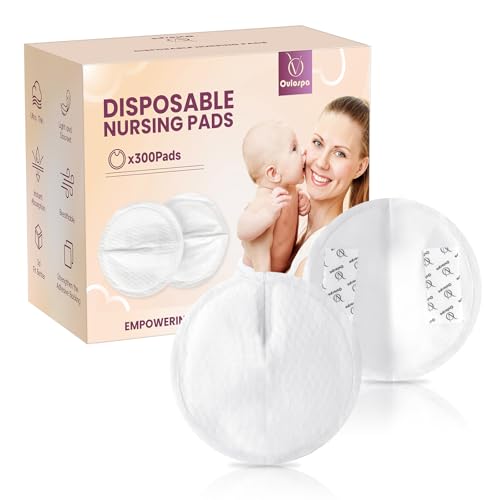
The purpose of nursing pads extends beyond mere absorption. They also help prevent discomfort caused by wet clothing and can alleviate concerns of embarrassing stains, which can be particularly distressing for new moms navigating their breastfeeding journey. Additionally, using nursing pads can aid in maintaining hygiene, as they provide a barrier between the breast and bra, which can be beneficial during the initial weeks of breastfeeding when milk supply is being established.
Adjusting to the physical and emotional demands of new motherhood can be overwhelming. Many women experience challenges such as soreness, engorgement, and anxiety about breastfeeding in public. Nursing pads offer a level of confidence, allowing mothers to focus on nurturing their newborns without the added worry of leaks. Furthermore, they come in various types—disposable and washable—catering to the diverse preferences of mothers.
In summary, nursing pads are more than just practical accessories; they play a significant role in the breastfeeding experience by addressing the unique challenges faced by new mothers. This aspect of maternal care helps foster a positive environment, enabling mothers to nurture their infants while managing the physical changes accompanying breastfeeding.
Understanding the Benefits of Nursing Pads
Nursing pads are an essential accessory for breastfeeding mothers, providing numerous benefits that enhance the overall nursing experience. One of the primary advantages of using nursing pads is their ability to keep clothes dry. Breastfeeding can often lead to leaking milk, which can cause embarrassment and discomfort for new moms. By absorbing excess milk, nursing pads help maintain a clean and dry appearance, allowing mothers to go about their day with confidence.
In addition to keeping clothes dry, nursing pads also play a crucial role in preventing infections. When moisture accumulates, it creates an environment conducive to bacteria growth, which can lead to infections such as mastitis. By using nursing pads, mothers can minimize the risk of such infections by ensuring that their breasts stay dry and clean. This contributes to not only better hygiene but also overall comfort for the nursing mother.
Comfort is another significant benefit associated with nursing pads. These pads provide a soft barrier between sensitive skin and clothing, reducing friction and irritation that can occur during breastfeeding. Many nursing pads are designed with soft, breathable materials that prioritize comfort and make them easy to wear throughout the day. This added comfort can also positively impact a mother’s ability to focus on her breastfeeding journey without physical distractions.
Furthermore, nursing pads can help moms manage the unpredictability of breastfeeding. The breastfeeding journey can often be characterized by fluctuations in milk supply and unexpected leaks. By wearing nursing pads, mothers can feel secure knowing they have a reliable solution to handle any surprises that may arise, ultimately contributing to a more positive and confident breastfeeding experience.
Types of Nursing Pads Available
Nursing pads are essential items for breastfeeding mothers, offering protection against leakage and ensuring comfort. There are several types of nursing pads available on the market, each with its own unique advantages and disadvantages.
First, disposable nursing pads are highly popular due to their convenience. These pads are designed to be worn once and then thrown away, making them ideal for mothers on the go. They often have a moisture-wicking layer that keeps the skin dry and helps prevent irritation. However, their environmental impact and cost can be significant, as frequent use leads to a considerable amount of waste.


Next, washable nursing pads provide a sustainable alternative to disposables. Made from soft cotton or other comfortable fabrics, these pads can be used multiple times, simply requiring washing after each use. Mothers often appreciate their natural feel and low environmental footprint. Nonetheless, some may find them less absorbent than disposables and they require regular laundering, which may be inconvenient for some.

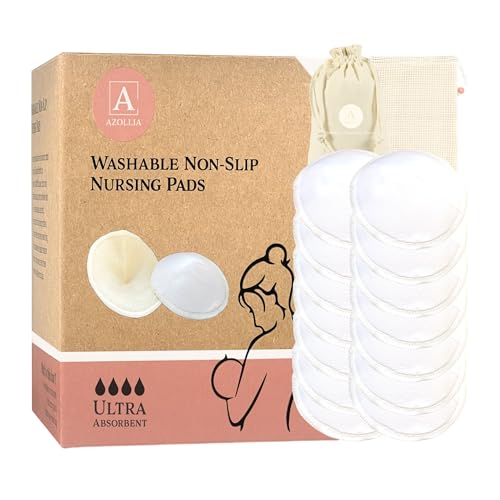
Organic nursing pads have gained traction among environmentally conscious moms. Made from organic cotton, these pads are free from harsh chemicals and offer a safer option for both mothers and babies. They can be found in both disposable and reusable formats. However, the price point for organic options tends to be higher, which can be a consideration for budget-conscious families.

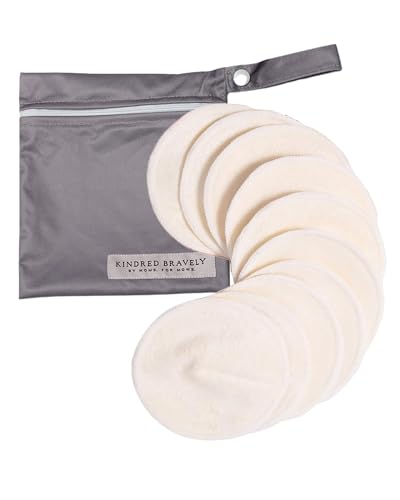
Ultimately, the choice between disposable, washable, and organic nursing pads depends on personal preferences, lifestyle, and environmental considerations. Understanding the pros and cons of each type will help new moms select the nursing pads that best meet their needs during their breastfeeding journey.
When to Use Nursing Pads
Nursing pads serve a vital role in the breastfeeding journey, especially for new mothers. The early days after childbirth are often characterized by fluctuating milk supply, and as such, nursing pads can be invaluable during this transition. Mothers may experience leaks due to an overabundant supply, a strong let-down reflex, or even when their baby is not nursing. In these instances, nursing pads absorb excess milk, maintaining comfort and hygiene.
Moreover, nursing pads are particularly recommended for mothers who encounter occasional leaks during their breastfeeding experience. This is common for many mothers, and having a reliable source of protection can alleviate concerns about stains or discomfort. They can be especially useful when engaging in public outings or social events, providing confidence that leakage is managed discreetly.
For mothers returning to the workplace after maternity leave, nursing pads become essential. Balancing professional responsibilities with breastfeeding can be challenging, and the potential for leaking while at work can cause considerable anxiety. Nursing pads provide a practical solution, allowing mothers to focus on their tasks without the added concern of leaks, ensuring a seamless transition back into the professional environment.
However, there are situations where nursing pads may not be necessary. Some mothers may find that they do not experience significant leaking, especially as their breastfeeding routine becomes more established. Additionally, during times when mothers feel comfortable and confident in their breastfeeding practices, they might choose to forgo nursing pads altogether. Ultimately, the decision to use nursing pads is subjective and dependent on individual circumstances and comfort levels.
How to Choose the Right Nursing Pads
Choosing the right nursing pads is crucial for new mothers, as they provide comfort and protection during breastfeeding. Several factors should be considered when selecting nursing pads to ensure optimal performance and comfort for each individual situation.
First and foremost, absorbency is a key factor. Nursing pads are available in various absorbency levels, which is essential for managing unexpected leaks effectively. For mothers who experience heavy leaking, ultra-absorbent pads may be necessary, while those with lighter flow might find that thinner pads suffice. It is advisable to assess personal needs and preferences to determine the ideal absorbency.
The materials used in nursing pads can significantly affect comfort, breathability, and durability. Common materials include cotton, bamboo, and disposable synthetic fibers. Cotton and bamboo are typically softer and more breathable, making them perfect for long-term use and sensitive skin. On the other hand, disposable options offer convenience, especially for mothers who seek easy clean-up or are on the go.
Size and fit also play a crucial role in choosing the right nursing pads. It is essential to select pads that conform comfortably to the breast without causing any bulk, which may be noticeable under clothing. Most pads come in universal sizes, but some brands may offer different sizes to cater to various breast shapes and sizes. Ensuring a snug fit can help prevent leaks and enhance overall comfort.
Finally, it may be beneficial for mothers to try different types of nursing pads to discover what works best for them. Some may prefer reusable pads, while others might find disposable options more convenient. Experimenting with different brands and styles can lead to finding the most suitable nursing pads that meet individual needs and lifestyle preferences.
Caring for Nursing Pads
Caring for nursing pads is essential for maintaining hygiene and ensuring comfort for breastfeeding mothers. For those using reusable nursing pads, proper washing is crucial to keep them safe and effective. Ideally, reusable pads should be washed after each use. It is recommended to rinse them in cold water first to remove any milk residue. Following this initial rinse, you can machine wash them in a gentle cycle using a mild detergent. Avoiding fabric softeners is advisable, as they can diminish the absorbency of the pads. After washing, allow the pads to air dry to prolong their lifespan. Some mothers may choose to tumble dry on a low heat setting, but it is important to check the manufacturer’s guidelines beforehand.
For disposable nursing pads, proper usage can greatly enhance comfort and effectiveness. It is important to ensure that the adhesive strips are securely attached to the bra to prevent shifting. Disposable pads should ideally be changed every few hours, or immediately if they become wet, to avoid irritation or discomfort. Keeping a sufficient supply of nursing pads handy is advisable to avoid any instances of leaks.
Maintaining cleanliness while using either type of nursing pad ensures that mothers do not suffer from skin irritations or infections, which can be particularly troublesome during the breastfeeding journey. Additionally, mothers should regularly check their skin for any signs of rashes or irritation caused by moisture buildup. An effective routine of changing, washing, and storing nursing pads will promote a more pleasant breastfeeding experience and contribute to the overall well-being of both mother and baby.
Common Concerns and Misconceptions about Nursing Pads
Nursing pads have become a staple for many new mothers; however, several common concerns and misconceptions surround their use. One prevalent question is whether nursing pads are truly necessary. While not every mother may feel the need for them, nursing pads can be particularly beneficial for those who experience significant leakage. Such leakage can occur at any time during breastfeeding, especially in the early days when mothers are still establishing their breastfeeding routines.
Another common misconception is that nursing pads may lead to complications, such as blocked ducts or mastitis. It is important to note that when nursing pads are replaced frequently, keeping the breast area clean and dry, they do not inherently cause such issues. However, wearing pads for extended periods without changing them may increase the risk for bacterial growth and discomfort. Opting for high-quality, breathable pads can significantly mitigate these concerns.
Some mothers worry that using nursing pads signifies an inability to breastfeed effectively. This is not the case. They are a functional tool designed to provide comfort and discretion, allowing mothers to engage in their daily activities without the worry of leaking milk. Additionally, some may question the environmental impact of disposable nursing pads. While disposable options are convenient, reusable cloth pads offer a more sustainable choice and can be just as effective if laundered properly.
Understanding the function and necessity of nursing pads can alleviate many concerns. They offer comfort and control for mothers navigating the early stages of breastfeeding. Rather than viewing them as a sign of an issue, many mothers find nursing pads to be an essential support tool during their breastfeeding journey.
Alternatives to Nursing Pads
As new mothers navigate the complexities of breastfeeding, particularly in relation to preventing milk leakage, many seek alternatives to traditional nursing pads. While nursing pads offer significant convenience and protection, a few other viable options exist that can provide comfort and functionality.
One alternative that is gaining popularity among breastfeeding mothers is the use of breast shells. These small, dome-shaped devices fit comfortably over the nipple and are designed to catch leaking milk. Unlike nursing pads, breast shells allow for airflow, which can be beneficial for mothers experiencing sore or cracked nipples. Additionally, breast shells can sometimes assist in collecting excess milk for later feeding, making them a dual-purpose option.
Another cost-effective and readily available solution is to repurpose an old towel or cotton fabric. Simply cut it into small squares or rectangles to create absorbent pads. While this method may not provide the same level of comfort or fit, it can be an adequate solution for mothers who desire a quick fix at home. Furthermore, by using cotton or other soft materials, mothers can enhance comfort while feeding their infants.
When comparing these alternatives to nursing pads, effectiveness and comfort are key considerations. Nursing pads are specifically designed to absorb excess milk and typically feature materials that provide a degree of discretion and comfort. Conversely, breast shells may offer airflow and collection features but may not absorb as much liquid, while DIY options may lack the necessary fitting and absorbent quality of purpose-built products.
Ultimately, the choice between nursing pads, breast shells, or homemade solutions comes down to personal preference and comfort. New mothers should assess their individual needs before deciding the best approach to managing leakage while breastfeeding.
Conclusion and Final Thoughts
As we have explored throughout this guide, the use of nursing pads can play a significant role in a mother’s breastfeeding experience. While not every new mom may find them necessary, many women discover that nursing pads offer comfort and practicality during this time of adjustment. The primary reason for their use is to manage milk leakage, ensuring that mothers feel more confident and less anxious while nursing.
We highlighted various types of nursing pads, including disposable and reusable options, each coming with its own set of advantages. Disposable nursing pads are typically convenient for on-the-go mothers, while reusable options can be more economical and environmentally friendly in the long run. It is essential for mothers to consider their lifestyle, preferences, and needs when choosing the right option.
Additionally, this guide discussed factors such as comfort, absorption capacity, and the materials used in nursing pads. These factors can significantly affect a mother’s overall experience with breastfeeding. By understanding the variety of choices available, new moms can make informed decisions that best suit their breastfeeding journey.
Ultimately, whether or not nursing pads are deemed necessary comes down to personal preference and individual circumstances. Some mothers may find them indispensable, while others might feel comfortable without using them. Every mom’s journey is unique, and it is essential to embrace what works best in managing the challenges and joys of breastfeeding.
As an Amazon Associate, I earn from qualifying purchases.