Introduction to Baby Carriers and Their Importance
Baby carriers have become a significant tool for modern parents, offering a practical solution to the challenges of parenting while facilitating a close bond between caregiver and child. Traditionally, the act of carrying a baby was often done using methods such as swaddling or cradling in arms, which, while effective, did not always allow for hands-free mobility. In contrast, contemporary baby carriers provide a comfortable and secure way to keep the child close, enabling parents to attend to daily tasks without compromising the emotional connection with their little ones.
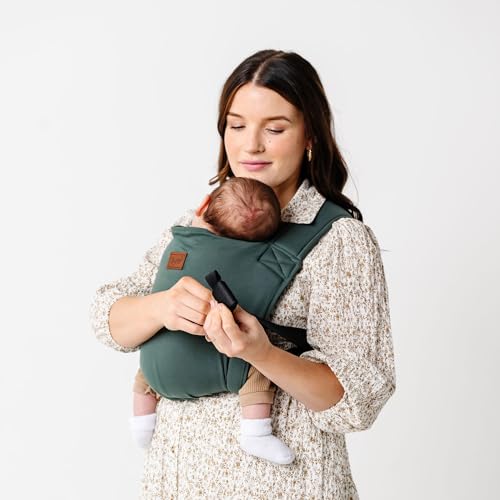

The importance of baby carriers extends beyond mere convenience. They promote attachment parenting by allowing physical closeness, which is crucial for a child’s emotional development. When a baby is carried, they can hear the parent’s heartbeat, feel their warmth, and experience comforting movements that are reminiscent of the womb environment. This enhances the bonding experience, as parents can respond to their child’s needs promptly and intuitively. Furthermore, wearing a baby carrier has been linked to positive outcomes such as reduced crying, improved sleep patterns, and overall happier infants.
Modern designs of baby carriers have evolved significantly from their traditional counterparts. Where once parents relied on simple wraps or slings, today’s market offers a variety of styles, including structured carriers, ergonomic wraps, and stylish bags that cater to the diverse preferences of parents. These advancements not only prioritize the comfort and safety of the child but also consider the aesthetic choices of modern parents who often seek fashionable options. In essence, baby carriers have transformed into a blend of functionality and style, making them an essential accessory for contemporary parenting that values both practicality and emotional closeness.
Trends in Baby Carrier Design
In recent years, the design of baby carriers has evolved significantly, reflecting the preferences of modern parents who prioritize both aesthetics and functionality. This evolution is seen in various aspects, including color choices, material innovation, and style versatility. Today, baby carriers are not just practical tools for transporting infants; they have become fashionable accessories that complement the wardrobe of the caregivers.
Neutral earth tones, soft pastels, and vibrant hues dominate the color palette of contemporary baby carriers. Popular colors such as slate gray, dusty rose, and sage green foster a harmonious blend with everyday clothing, making them appealing for stylish outings. Additionally, these colors are not only visually attractive but also practical in terms of hiding stains, thus catering to the busy lifestyles of modern parents.
Materials have also seen a notable change in the baby carrier market. Parents now favor natural fabrics like organic cotton and bamboo blends that are environmentally friendly and breathable. These materials ensure the baby remains comfortable while being carried, contributing to a safer and more enjoyable experience. Furthermore, some designs incorporate moisture-wicking technology, keeping caregivers cool during physical activities, which further enhances functionality.
The style of baby carriers has also diversified, with options ranging from structured framed carriers to soft-structured models that provide ergonomic support. Popular styles include wraps, slings, and buckle carriers, catering to the diverse needs and preferences of parents. Some innovative designs feature modular elements allowing for multiple carrying positions, which contribute to a greater sense of versatility. This focus on both design and utility ensures that the carriers can accommodate varying stages of the child’s growth.
Types of Baby Carriers Available
Choosing the right baby carrier can be a crucial decision for parents, as it involves not only comfort but also safety and ease of use. There are several types of baby carriers available on the market, each with unique features, benefits, and drawbacks.
Wraps are made from long pieces of fabric, which can be tied in various ways to securely hold the baby close to the caregiver’s body. One of the main benefits of wraps is their versatility; they can be adjusted to fit different body types and carry positions. However, they may require some practice to master the wrapping techniques, which can be a drawback for some new parents.
Sling carriers consist of a single piece of fabric that is looped over one shoulder, creating a pouch-like space for the baby. This type of carrier is known for its ease of use, as it allows for quick adjustments and can be worn on either shoulder. While slings are stylish and provide excellent breathability, they can become uncomfortable over prolonged use, due to weight distribution concentrated on one side.
Soft structured carriers, or SSCs, feature padded shoulder straps and waistbands, providing additional support and comfort. These carriers are easy to put on and adjust, making them a popular choice among parents. They are suitable for longer wear, but some models may be bulkier, which could be a drawback for those seeking a lightweight option.
Backpack carriers are designed for older infants and toddlers, perfect for hiking and outdoor adventures. They offer sturdy support and the ability to carry heavier children comfortably. However, their size and weight may make them less suitable for everyday use in urban settings.
In summary, the variety of baby carriers—from wraps to backpack carriers—ensures that parents can find a solution that meets their individual needs and preferences. Evaluating the benefits and drawbacks of each type helps parents make informed choices, enhancing the bonding experience with their child while maintaining their mobility.
Safety Features to Look for in Baby Carriers
When selecting a baby carrier, the safety and comfort of both the baby and the parent should be paramount. One of the critical aspects to consider is the support it provides for the baby’s hips. The positioning of a baby in a carrier significantly affects their hip development; thus, it is essential to ensure the carrier promotes a natural spread-squat position. Ensure that the carrier allows the legs to splay outwards and provides adequate support to the baby’s spine and neck, particularly in the early months when their muscles are still developing.
Another vital feature to consider is the security of the fastenings. A reliable baby carrier should come equipped with robust safety buckles and adjustable straps that ensure a snug fit. Double or triple locking mechanisms can provide added reassurance, minimizing the risk of accidental release. Parents should also look for carriers with secure waistbands that distribute weight evenly, which not only enhances safety but also contributes to the comfort during extended use.
Ergonomic designs are also essential. Carriers that are designed with the human anatomy in mind can significantly enhance the safety and comfort for both the parent and the child. An ergonomic carrier distributes the baby’s weight evenly, reducing strain on the parent’s back and shoulders. Furthermore, adjustable features allow the carrier to be customized, ensuring that the fit is appropriate for different body types.
How to Choose the Right Baby Carrier for You
Selecting the right baby carrier is a crucial decision for modern parents, as it can significantly impact both comfort and convenience throughout your daily activities. When choosing a baby carrier, there are several key factors to consider, ensuring that both the parent and child enjoy a harmonious experience.
First and foremost, comfort is paramount. The ideal baby carrier should distribute your baby’s weight evenly across your body, reducing strain on your back and shoulders. Look for adjustable straps and ample padding, which can enhance comfort for extended wear. Additionally, ensure the carrier supports your baby’s hips and spine in a way that promotes healthy development. This is especially important for newborns and infants, as their physical needs vary compared to older children.
Another essential consideration is lifestyle compatibility. Assess your daily routines and activities, as these will dictate the functionality of the baby carrier you select. For instance, if you enjoy hiking or walking in rugged terrains, a more structured carrier with support straps may be necessary. Conversely, if your routine is urban-centric, a lighter, more flexible carrier might align better with your needs.
Long-term usability is also an important factor in your decision-making process. Choose a baby carrier that can adapt and grow with your child. Many models are designed to accommodate various carrying positions and can support children from infancy through toddlerhood. This adaptability not only offers lasting value but also allows you to invest in a carrier that meets your family’s evolving needs.
In conclusion, by carefully considering comfort, lifestyle compatibility, and long-term usability, you can choose a baby carrier that perfectly aligns with your needs as a modern parent, ensuring a comfortable journey for both you and your child.
Care and Maintenance of Baby Carriers
Maintaining and cleaning baby carriers is essential for ensuring their longevity and providing a hygienic environment for babies. Different materials used in baby carriers require various care considerations. It is crucial to follow the manufacturer’s instructions specific to each carrier type, but general guidelines can be followed as well.
For carriers made from cotton or synthetic blends, regular cleaning should involve gentle washing with mild detergent. Hand washing is often recommended to preserve the fabric’s integrity. If machine washing is permitted, it is advisable to place the carrier in a mesh laundry bag to prevent snagging and wear. Always wash baby carriers in cold water to avoid shrinkage or damaging the fabric.
For carriers with padding or buckles, it is essential to check for detachable parts. Often, these components can be wiped down with a cloth or sponge dampened in a mild soap solution. Avoid using harsh chemicals or bleach, as these can degrade the materials. Furthermore, while air drying is generally suitable, avoid direct sunlight, as prolonged exposure may cause fading and weaken some fabrics.
Storage is another critical factor in maintaining baby carriers. When not in use, they should be stored in a cool, dry place to prevent mold or mildew from developing. Fold the carrier neatly and avoid positions that may cause permanent creasing or bending. Using a breathable storage bag can also help protect the carrier from dust and environmental factors.
In conclusion, regular care and maintenance of baby carriers are vital for ensuring their durability and hygiene. By following the appropriate cleaning methods and storage practices, modern parents can maximize the lifespan of this essential gear while maintaining a safe environment for their infants.
Conclusion: The Future of Baby Carriers in Parenting
Choosing the right baby carrier is crucial for modern parents who seek both functionality and style. With evolving lifestyles and an increasing demand for versatile baby gear, it is essential to consider a carrier that not only meets the practical needs of safety and comfort but also aligns with contemporary aesthetic preferences. Today’s parents are looking for carriers that reflect their personal style while offering the hands-free convenience necessary in a busy world.
The landscape of baby carriers has seen significant advancements. Manufacturers are now focusing on creating carriers with ergonomic designs that promote healthy development for infants while ensuring comfort for the caregiver. It is vital for parents to select carriers that support proper positioning, reducing the risk of discomfort or injury during extended use. Furthermore, the integration of breathable materials and innovative features has made modern baby carriers desirable for parents who value both safety and style.
The significance of combining style with practicality in baby carriers cannot be understated. As more parents opt for aesthetic appeal, brands are challenged to deliver products that appeal to their customers’ tastes while maintaining essential safety standards. The future of baby carriers lies in the ability to blend functionality with contemporary design, allowing parents to carry their children without compromising on their individual sense of style. The evolution of baby carriers reflects wider trends in parenting, where style, comfort, and safety are paramount.
In summary, the thoughtful selection of a baby carrier impacts not only the physical well-being of the child but also enhances the parent-child bond during those precious early years. As the industry progresses, it will continue to innovate to meet the aspirations of modern parents, ensuring that the journey of parenting remains stylish and practical.
As an Amazon Associate, I earn from qualifying purchases.