Introduction to Stress-Free Camping
Camping is a cherished pastime for many, offering an opportunity to reconnect with nature while escaping the hustle and bustle of daily life. However, traditional camping can sometimes come with a host of stresses, from setting up complicated gear to dealing with unpredictable weather. This is where the concept of stress-free camping becomes essential. Stress-free camping emphasizes the importance of making the experience as enjoyable and effortless as possible, allowing campers to focus on what truly matters: relaxation and enjoyment outdoors.
One of the key components of stress-free camping is choosing the right gear, particularly when it comes to tents. The market is brimming with options, but easy-to-set-up tents are gaining popularity for the distinct advantages they bring. A tent that can be quickly assembled not only minimizes hassle but also maximizes time spent appreciating the natural surroundings. Campers can enjoy their favorite activities such as hiking, fishing, or simply sitting around the campfire, rather than being preoccupied with the logistical challenges of campsite setup.
In addition to quick assembly, these tents often feature user-friendly designs that are suitable for various camping conditions. Innovations in tent technology ensure that even novice campers can establish a comfortable shelter seamlessly. Furthermore, because the physical demands of setting up a tent can detract from the overall experience, investing in quality gear can significantly enhance one’s enjoyment. With the right easy-to-set-up tent, campers can look forward to every trip as an opportunity for memorable experiences without the usual stresses associated with camping.
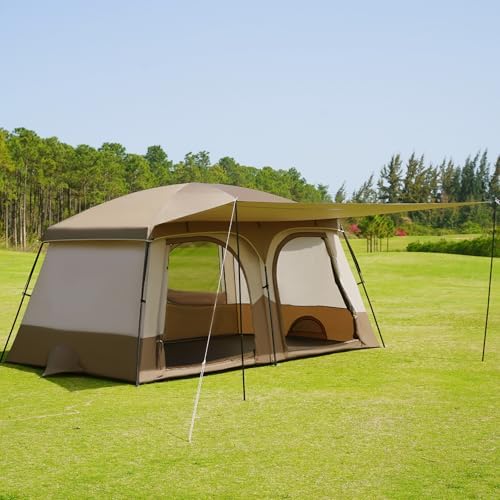

Factors to Consider When Choosing a Tent
When embarking on a camping journey, selecting the right tent can significantly influence your overall experience and stress level. Several critical factors, including weight, size, design, and weather resistance, should be carefully evaluated to ensure ease of setup and maximum comfort.
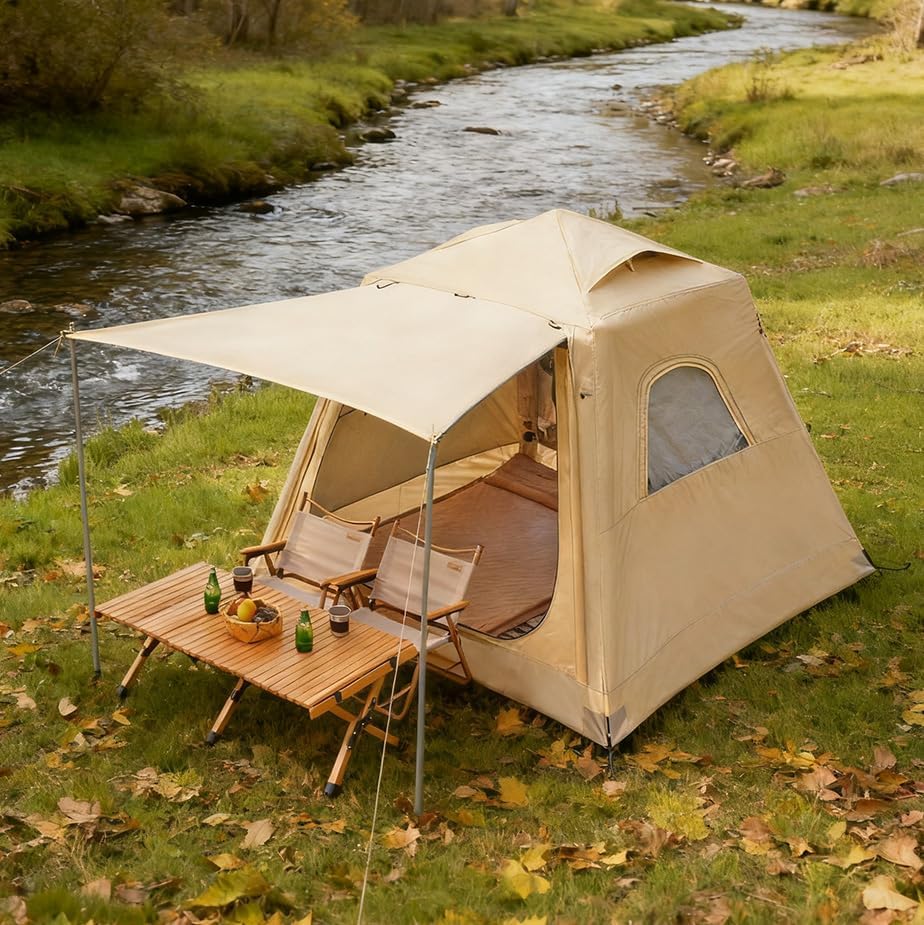
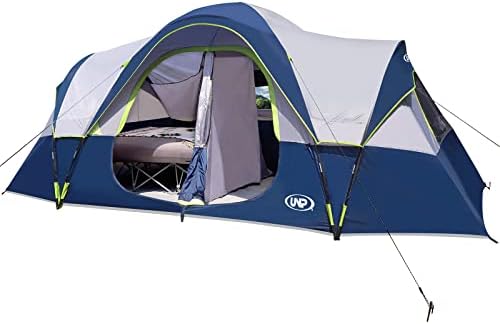
Weight is an essential aspect, particularly for backpackers or those traveling with limited vehicle space. A lightweight tent can simplify transportation and expedite the setup process, minimizing the time spent in potentially unfavorable weather conditions. Therefore, opting for a tent that balances portability with durability is crucial.
Size is another important consideration. The tent should comfortably accommodate the number of occupants while allowing for sufficient storage of gear. Choosing a tent that is too small can lead to discomfort, as crowded conditions can heighten stress levels, while an overly large tent may cause unnecessary weight and impede swift setup.
The design of the tent also affects ease of assembly. Many modern tents feature user-friendly designs with color-coded poles, quick-clip systems, and instant setups that significantly reduce the complexity of the pitching process. Investing in a tent designed for hassle-free assembly can enhance the camping experience by allowing campers to focus on enjoyment rather than struggling with their equipment.
Finally, weather resistance is paramount. A tent must withstand rain, wind, and other environmental factors. Look for tents with durable materials, waterproof coatings, and robust construction to minimize the likelihood of leaks or structural failures. Proper weather resistance not only keeps campers dry and warm but also alleviates anxiety about potential weather disruptions.
In summary, by considering weight, size, design, and weather resistance when selecting a tent, campers can enhance their experience, ensuring a more enjoyable and stress-free adventure in the great outdoors.
Types of Easy-to-Set-Up Tents
When it comes to stress-free camping, selecting the right tent can make all the difference, especially one that is easy to set up. There are several types of tents designed for simplicity and convenience, among which pop-up tents, instant tents, and tunnel tents stand out.
Pop-up tents are perhaps the quickest to pitch. These tents use a pre-assembled frame that automatically springs into shape when removed from its carrying bag. With minimal assembly required, they can often be set up in mere seconds, making them ideal for spontaneous campers and families seeking to minimize setup time. They usually come in various sizes, accommodating different group sizes and can even include extra features such as built-in storage pockets or awnings for extra shade.
Instant tents, on the other hand, typically utilize a hub system that allows for straightforward, rapid assembly. Instead of struggling with traditional poles, campers can extend the tent’s framework once it is unfolded. This type of tent is particularly suitable for those who want a sturdy structure without the hassle of complicated setups. Instant tents are versatile and can be used for weekend getaways or extended trips, providing enough space and stability to enjoy a comfortable camping experience.
Lastly, tunnel tents are elongated and typically feature a series of arches that create a long, narrow sleeping area. While they may involve a bit more effort than pop-up and instant tents, their design allows for excellent wind resistance and spacious interiors. Tunnel tents are ideal for families or groups going on longer excursions, offering generous living space while still being relatively simple to pitch compared to traditional tents. This makes them a solid choice for those prioritizing roominess along with ease of setup.
Maintaining Your Easy-Set-Up Tent
When it comes to ensuring the longevity and performance of your easy-to-set-up tent, regular maintenance is key. Keeping your tent in top condition will not only enhance your camping experience but also prolong its life. One of the first steps in tent maintenance is consistent cleaning. After each trip, it is advisable to remove any debris, dirt, or leaves that may have accumulated on the tent fabric. Use a soft brush or a damp cloth to wipe down the surfaces, taking care not to use harsh chemicals that could damage the tent’s material. For a deeper clean, a solution of mild soap and water can be employed, but always ensure that the tent is dry before storing it away.
Packing your tent appropriately is another vital aspect of maintenance. When it’s time to pack up, avoid stuffing the tent into its bag as this can cause creases and strain on the fabric. Instead, follow the manufacturer’s guidelines for rolling or folding the tent neatly. This will prevent any damage and ensure that it fits properly in the storage bag, reducing the risk of future wear and tear. Moreover, paying attention to environmental conditions can greatly impact the tent’s upkeep. It is essential to store your tent in a cool, dry place, ideally away from direct sunlight, as UV rays can deteriorate the fabric over time.
Repairs should also be addressed promptly, as even small damages can lead to larger issues if left unattended. Keep a repair kit handy that includes patches, seam sealer, and extra guylines. Should you notice a minor tear or hole, it is best to apply a patch as soon as possible to avoid larger leaks in the future. By incorporating these essential maintenance tips into your routine, you can ensure that your easy-to-set-up tent remains in excellent shape for many adventures to come.
Comparing Cost vs. Value of Easy-Setup Tents
When selecting an easy-to-set-up tent, it is essential to analyze the cost in relation to the value it provides. The price range for these tents can vary significantly, typically spanning from as low as $50 to upwards of $300 or more. Factors influencing this pricing include materials used, tent size, brand reputation, and additional features. Understanding how these factors contribute to overall quality can help consumers make informed decisions.
First and foremost, the materials used in an easy-setup tent play a crucial role in determining its cost. Tents made from more durable fabrics, like ripstop nylon or polyester, tend to be more expensive but provide better weather resistance and longevity. Meanwhile, cheaper options often utilize less durable materials which may not withstand harsh conditions, leading to quicker wear and tear. Therefore, investing in a higher-quality material can translate into better value over time, even if the initial cost is higher.
Furthermore, the size and capacity of the tent should also be a significant consideration. A tent meant to accommodate more people or designed for specialized activities, such as backpacking, generally comes with a higher price tag, as it needs to meet specific durability and portability requirements. Additionally, brand reputation cannot be overlooked; well-established brands usually command higher prices due to proven track records of reliability and quality. However, emerging brands may offer competitive pricing without compromising essential features.
To summarize, when evaluating easy-to-set-up tents, it is imperative to strike a balance between cost and value. This involves not only considering the purchase price but also the features, durability, and reputation of the brand. In making a decision, weighing these factors will ensure a satisfactory camping experience that justifies the investment made.
Conclusion: Make Camping Enjoyable with the Right Tent
Selecting the right tent is a crucial factor in ensuring a stress-free camping experience. Tents serve as your primary shelter in the great outdoors, providing comfort and protection against the elements. An appropriate tent not only safeguards you from rain, wind, and insects but also enhances your overall enjoyment of the camping experience. When choosing a tent, consider factors such as size, ease of setup, weather resistance, and specific features that suit your camping style.
Taking the time to research and select a tent that fits your needs can significantly improve your outdoor adventure. For instance, a lightweight backpacking tent may be ideal for hiking enthusiasts, while a larger family tent could cater to those seeking spaciousness and comfort. Features like easy setup mechanisms, durability, and good ventilation can also contribute to a more enjoyable camping experience. Remember, the right tent can make all the difference, transforming potential frustrations into joyful memories.
Moreover, investing in a quality tent enhances not only your comfort but also your safety. A reliable tent can withstand unpredictable weather, offering peace of mind during your camping trip. Understanding your individual requirements and preferences can lead you to the tent best suited for your camping endeavors.
In conclusion, the selection of a well-suited tent plays a significant role in your overall camping enjoyment. By effectively balancing your preferences with the practical aspects of tent design, you can ensure a memorable adventure under the stars. Happy camping!
As an Amazon Associate, I earn from qualifying purchases.