Introduction to Camping Hammocks
Camping hammocks have surged in popularity among outdoor enthusiasts as an alternative to the traditional tent. This surge can be attributed to their numerous advantages, making them an attractive option for camping, hiking, and various outdoor adventures. One of the primary benefits of camping hammocks is their portability. Many models are lightweight and compact, allowing for easy transportation while minimizing pack weight. This feature is particularly beneficial for long treks where every ounce counts.


In addition to portability, camping hammocks provide superior comfort to many campers. Unlike sleeping on the ground, which can be uneven and hard, a hammock suspends the user above the ground, offering a cozy sleeping environment that contours to the body. The gentle rocking motion of a hammock can also enhance relaxation, making it easier for individuals to fall asleep. For those who tend to struggle with a good night’s sleep outdoors, this unique feature can be invaluable.
Furthermore, camping hammocks often offer increased versatility when compared to traditional tents. They can be set up in a variety of locations, including tight spots where a tent may not fit. Additionally, they can be combined with a rain tarp or integrated bug netting for enhanced weather protection and comfort. Many modern hammocks even come with built-in storage pockets and are made from durable materials that resist wear and tear.
In summary, camping hammocks provide a compelling option for outdoor enthusiasts seeking comfort, portability, and versatility. As their popularity continues to grow, exploring the various styles and options available can help campers find the perfect hammock for their needs. This guide aims to delve deeper into the world of camping hammocks, offering insights to enhance your outdoor experiences.
Types of Camping Hammocks
Camping hammocks come in various styles and designs, catering to diverse preferences and needs of outdoor enthusiasts. The most common types are single and double hammocks, each offering unique benefits. Single hammocks are typically designed for one person, making them lightweight and easy to pack. They are ideal for solo campers who prioritize portability and simplicity. In contrast, double hammocks can accommodate two individuals or provide extra space and comfort for a single occupant. This added width allows for greater relaxation and can also support gear, which is beneficial during extended camping trips.
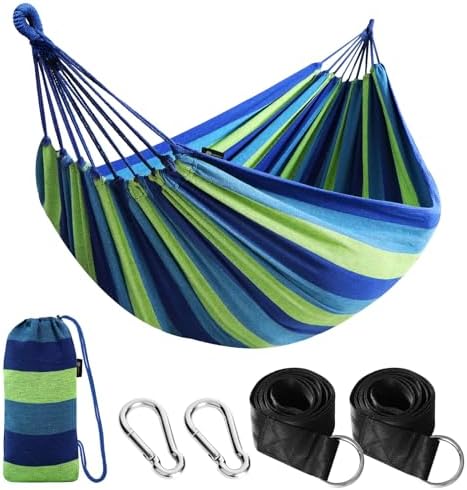
Beyond single and double options, there are also portable hammocks that are specifically designed for ease of transport. These models often come with integrated stuff sacks or can be compacted to fit in a small backpack. Portable hammocks are perfect for hikers or travelers looking to minimize weight without sacrificing comfort. Their quick setup and lightweight nature make them a popular choice amongst adventure seekers.
Ultralight hammocks are another category gaining traction among minimalist campers. These products offer the most basic structure possible while still providing durability and comfort. Constructed with high-strength materials, ultralight options are designed for those who prioritize weight above all else, reducing bulk and making long treks more manageable.
Other specialized types of hammocks include those with built-in bug nets and rain fly systems for added protection from the elements. These features can enhance the camping experience significantly, ensuring comfort even in challenging weather conditions. In this way, selecting the right type of camping hammock is crucial for maximizing your outdoor experience, whether you are lounging by a stream or sleeping among the trees at night.

Key Features to Consider
Selecting the right camping hammock involves evaluating several essential features to ensure comfort, safety, and usability. One of the primary factors to consider is the material. Camping hammocks are typically made from nylon or polyester, materials that offer durability while remaining lightweight. Nylon hammocks tend to be stronger and more durable but can be prone to stretching, whereas polyester versions may resist fading and wear from UV exposure.
Next, potential users should evaluate the weight capacity of the hammock. Individual models can vary widely in the maximum load they can safely support. It is crucial to choose a hammock that can accommodate the intended user, ideally with a bit of a buffer for extra gear. Most camping hammocks accommodate between 250 to 500 pounds, so one must select accordingly based on their particular needs.
The suspension system is another critical aspect when choosing a camping hammock. Many models come with built-in straps or ropes that allow for easy setup and adjustment. Opting for a hammock with a user-friendly suspension system can make all the difference in terms of setup time and stability. Additionally, some hammocks may provide tree-friendly straps that won’t damage the bark of the trees used for hanging.
Lastly, consider any added extras, such as bug nets or rainflies. A bug net is beneficial in areas with heavy insect populations, providing a comfortable and undisturbed sleep. Similarly, a rainfly shields the user from rain and falling debris, enhancing the overall camping experience. These added features can elevate a basic hammock into a versatile sleeping solution, making it apt for varied outdoor conditions.
Setting Up Your Camping Hammock
Setting up a camping hammock requires attention to detail to ensure a comfortable and safe experience. Selecting the right location is paramount. Ideally, you should look for two sturdy trees or posts that are about 10 to 15 feet apart and can support your weight. Check both the stability of the trees and their distance before you start. Avoid setting up near busy trails or areas prone to falling branches, as this presents safety hazards.
Once you have chosen your spot, begin by unpacking your hammock and laying it flat. Most hammocks come with straps and carabiners for easy setup. Attach the straps around the trees, ensuring they are around eye-level to avoid tension issues that can occur when the hammock is too low or too high. Aim for a 30-degree angle between the strap and the tree; this positioning helps provide a more comfortable recline while ensuring structural integrity.
With the straps mounted, attach the hammock’s carabiners onto the straps. It is wise to double-check that the carabiners are securely fastened to prevent any accidents. After securing the hammock, sit back and test its stability before fully entering. A good practice is to test the hammock’s weight capacity by gently rocking while in a seated position before fully lying down.
For added comfort, consider placing a sleeping pad or underquilt within the hammock. This not only enhances insulation against cooler temperatures but also provides an extra layer of cushioning. Make sure to maintain an even distribution of weight within the hammock. Adjust the straps as necessary until you achieve your desired level of comfort and security.
By following these guidelines, you can easily set up your camping hammock securely, guaranteeing an enjoyable outdoor experience that allows for relaxation and connection with nature.


Tips for Comfortable Sleeping in a Hammock
Sleeping in a camping hammock can provide a unique experience, combining comfort with the soothing sounds of nature. To ensure a restful night’s sleep, consider several factors that can enhance your hammock sleeping experience.
The first step is to choose the right sleeping position. Instead of lying directly in the hammock, try sleeping at a slight angle. This position allows for a flatter back and helps distribute your weight evenly, reducing pressure points. Ideally, your body should form an ‘X’ shape, which can significantly enhance comfort, particularly during extended nights.
Another essential element for ensuring a good night’s sleep is the use of sleeping pads or underquilts. Sleeping pads can provide insulation and cushioning, preventing unwanted drafts from affecting your comfort. Alternatively, underquilts attach snugly beneath the hammock, offering additional warmth and allowing you to enjoy the benefits of an open design in cooler conditions. Both options help mitigate the discomfort often caused by cold air beneath you.
Moreover, temperature regulation is crucial when sleeping outdoors. To stay warm during cooler nights, consider packing a lightweight sleeping bag rated for the expected temperatures. You may also want to bring along extra blankets or wear layers of clothing to trap body heat efficiently. Ensuring a comfortable sleeping temperature will significantly enhance your overall experience.
Lastly, selecting the right hammock can make a substantial difference. Look for a model specifically designed for sleeping, ideally with a spacious width and length to accommodate a comfortable sleep position. A well-chosen hammock allows you to enjoy the unique benefits of camping while ensuring your sleep remains undisturbed.
Safety Tips for Using Hammocks Outdoors
When it comes to enjoying nature while using camping hammocks, safety should be a top priority. To ensure a secure experience, it is essential to properly secure the hammock to suitable anchor points. Look for sturdy trees or posts that are at least six to eight feet apart and at least six inches in diameter. Before fastening your hammock, inspect the integrity of the anchor points for any signs of decay, mold, or instability that could compromise your safety.
Choosing the right location also plays a crucial role in ensuring a safe experience. Avoid placing your hammock near hazards such as rocky surfaces, cliff edges, or areas with potential wildlife encounters. Additionally, steer clear of low-hanging branches or electrical lines that might pose a risk during your relaxation time. Settle for flat ground where you can place your gear and ensure the hammock is positioned at a safe height above the ground to minimize the risk of injury in case of a fall.
Balance is another critical element when using hammocks. Entering and exiting the hammock can sometimes be tricky, so practice caution to maintain equilibrium. It may help to sit on the edge first and swing your legs in gradually rather than jumping in. When lying in a hammock, distribute your weight evenly and avoid shifting abruptly. Moreover, always ensure the hammock is tensioned correctly; a slack or overly tight hammock may result in instability.
By practicing these safety tips and remaining aware of your surroundings, you can enhance your outdoor adventures while ensuring a secure and enjoyable experience in your camping hammock.
Hammock Accessories for Enhanced Experience
When it comes to camping hammocks, several accessories can significantly enhance your outdoor experience. Investing in the right hammock accessories not only improves comfort but also increases functionality and safety during your adventures.
One essential accessory to consider is hammock straps. These straps are designed to provide a secure and adjustable connection between your hammock and the anchor points, such as trees. Thanks to their ease of use, they help minimize damage to the environment while ensuring a stable setup. Look for straps made of durable materials that can support your weight and withstand varying weather conditions.
Carabiners are another crucial accessory that cannot be overlooked. These lightweight, robust metal clips allow for quick and safe connection points between your hammock and straps or other gear. Choosing quality carabiners ensures that they can handle the load and stress of being used in outdoor environments. Opt for locking carabiners for added security, which prevents accidental disconnection while you swing peacefully in your hammock.
An often underestimated accessory is the rain tarp, which protects your hammock from unexpected weather changes. Investing in a high-quality rain tarp can mean the difference between a comfortable night’s sleep and a frigid, wet experience. Look for tarps that are lightweight, waterproof, and easy to set up to provide reliable protection during inclement weather.
Finally, insect nets are vital for any camping hammock enthusiast who wants to avoid bothersome bugs. These nets create a barrier against mosquitoes and other pests, enabling you to enjoy the serenity of nature without constant interruptions. Look for lightweight nets that are easy to attach and detach from your hammock, ensuring convenience and comfort throughout your camping trip.
Maintenance and Care of Camping Hammocks
Proper maintenance and care are essential for ensuring the longevity of your camping hammock. By following a few straightforward guidelines, you can keep your hammock in optimal condition, ready for your next outdoor adventure.
First, it is important to clean your hammock regularly, especially after trips where it has been exposed to dirt, sand, or moisture. Most camping hammocks can be washed by hand using mild soap and cold water. If your hammock is machine washable, ensure you remove any attached straps or accessories before placing it in a mesh laundry bag to prevent damage. For stains, consider spot cleaning with a gentle fabric cleaner, rinsing thoroughly to eliminate any soap residue.
Storage is another key aspect of hammock care. Always ensure your hammock is completely dry before packing it away to prevent mold and mildew growth. When not in use, store the hammock in a cool, dry place away from direct sunlight. Prolonged exposure to sunlight can cause the fabric to degrade and lose its integrity over time.
To extend the lifespan of your hammock, avoid exceeding the weight limit specified by the manufacturer. This ensures continued strength and functionality, especially during camping trips. It’s also recommended to inspect your hammock regularly for signs of wear and tear, such as fraying and weak seams. Immediate repairs, such as sewing or replacing damaged components, can significantly extend its usability.
Additionally, when setting up your hammock, choose locations that are free of sharp objects and abrasive surfaces to prevent accidental punctures. Using a tarp can provide extra protection from rain and falling debris. By following these maintenance practices, your camping hammock can remain a dependable and enjoyable addition to your outdoor experiences.
Conclusion: The Future of Camping with Hammocks
As we move forward into an era where comfort and convenience in outdoor living are paramount, camping hammocks remain a compelling choice for outdoor enthusiasts. The advantages of utilizing a hammock while camping extend beyond mere relaxation; they offer significant versatility and ease in various camping environments. Whether strung between two trees in a picturesque forest or set up in a tight camping space, hammocks provide the flexibility that tents often cannot match. Their lightweight and portable nature make them ideal for backpackers and casual campers alike.
Comfort is another key attribute that contributes to the growing popularity of camping hammocks. With designs that cater to a natural sleeping position, they can alleviate discomfort often associated with traditional ground sleeping options. This heightened comfort can lead to improved rest, which is especially valuable when engaging in physical activities such as hiking and trekking. Many modern camping hammocks come equipped with valuable features such as integrated bug nets and rain flies, ensuring that outdoor experiences are not only enjoyable but also safe from the elements.


Given these significant benefits, it is clear that camping hammocks are not merely a trend but a sustainable choice for future camping trips. As adventurers seek new and innovative ways to enhance their outdoor experience, the hammock stands out as a symbol of comfort and practicality in nature. Embracing this alternative will likely enrich one’s camping experiences, leading to memorable moments amidst breathtaking natural landscapes. Thus, as we plan our future camping excursions, considering the addition of a hammock can undoubtedly transform the way we connect with the great outdoors.
As an Amazon Associate, I earn from qualifying purchases.