Introduction to Camping Backpacks
Camping backpacks serve a pivotal function in enhancing the outdoor experience for enthusiasts of all skill levels. Unlike standard backpacks designed for everyday use, camping backpacks are specifically engineered to meet the demands of outdoor adventures. These specialized bags are tailored to accommodate the unique requirements of those venturing into nature, including the need for ample storage space, durability, and comfort during extended hikes.

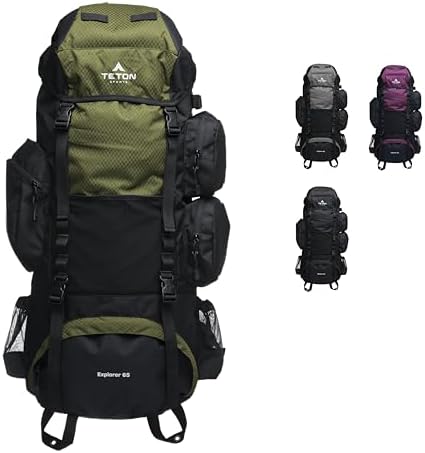
The primary purpose of a camping backpack is to provide a reliable means to transport essential gear and supplies while maintaining an even weight distribution across the body. This feature is particularly critical for campers who may traverse uneven terrain or embark on long-distance hiking trips. The design of camping backpacks prioritizes functionality and comfort, often featuring padded shoulder straps, adjustable hip belts, and ventilated backs to facilitate breathability. Such ergonomic considerations can significantly impact a camper’s experience, reducing fatigue and allowing for greater mobility during outdoor excursions.
Camping backpacks differ from regular backpacks in several key aspects. For instance, they typically come with a multitude of compartments and attachment points, which allow users to organize their gear systematically and access it quickly when needed. Furthermore, most camping backpacks are constructed from water-resistant or waterproof materials, safeguarding contents from the elements and prolonging the lifespan of the bag itself. This quality is invaluable for campers who encounter varying weather conditions throughout their trips.
In summary, selecting the right camping backpack is crucial for ensuring that outdoor adventures are enjoyable and stress-free. By understanding the intrinsic differences between camping backpacks and regular backpacks, individuals can make informed choices that enhance their overall experience in the great outdoors.
Types of Camping Backpacks
When considering the best camping backpacks for your outdoor excursions, it is essential to understand the various types available, as each serves a distinct purpose and caters to different camping experiences. The three main categories include daypacks, overnight packs, and multi-day packs, each designed to accommodate specific requirements and capacities.
First, daypacks are ideal for short trips, typically offering a capacity ranging from 15 to 30 liters. Their compact size makes them suitable for carrying essentials, such as water, snacks, and a first-aid kit, while allowing for easy mobility on trails. Daypacks usually come with features like hydration reservoirs, multiple pockets for organization, and comfortable straps, ensuring that users can enjoy their daytime adventures without feeling weighed down.
Next, overnight packs accommodate more extended trips lasting one to two nights, with capacities generally ranging from 30 to 50 liters. These packs are designed to hold additional gear, such as sleeping bags, tents, and cooking equipment, while maintaining comfort during hikes. You will find overnight packs equipped with adjustable harnesses, sternum straps, and hip belts to help distribute weight evenly and provide support while on the trail.
Finally, multi-day packs are built for longer excursions, featuring capacities that usually range from 50 liters and above. These backpacks are designed to carry everything needed for week-long trips, including more substantial food supplies, extra clothing, and camping tools. Multi-day packs often come with advanced features, such as ventilation systems for breathability, multiple access points for convenience, and specialized compartments for organization, making them a sound choice for serious adventurers.
Features to Look for in a Camping Backpack
Choosing the right camping backpack is crucial for ensuring a comfortable and enjoyable outdoor experience. One of the primary features to consider is material durability. A high-quality backpack should be constructed from rip-resistant fabrics that can withstand rough terrains and unpredictable weather conditions. Tear-resistant nylon or polyester are popular choices, often treated with water-resistant coatings to keep your gear dry in damp environments.
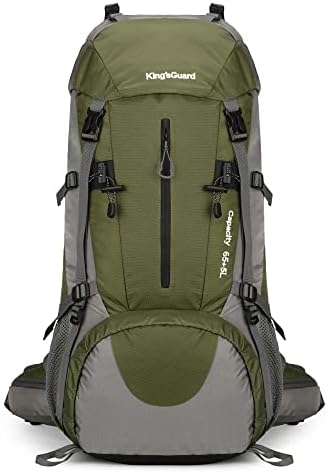

Weight is another essential factor when selecting a camping backpack. Heavier backpacks can lead to fatigue during long hikes, making stratifying the weight distribution vital. A well-designed backpack should evenly distribute weight between the shoulders and hips, allowing for extended periods of wear without discomfort. Lightweight materials do not necessarily compromise durability, thus striking a balance between these two aspects is important.
Size also plays a significant role in the effectiveness of a camping backpack. Ensuring the backpack can accommodate your required gear without excess space helps prevent items from shifting during transit. Additionally, adjustable straps enhance fit and comfort. Opt for models that offer adjustable shoulder straps, hip belts, and load-lifters to ensure the backpack contours to your body. This is particularly important when navigating varied terrains.
Furthermore, consider features that enhance functionality, such as multiple pockets for organization and easy access to essential items. Many camping backpacks come equipped with hydration reservoirs, allowing for convenient hydration without unpacking your gear. Rain covers are also beneficial, offering protection during unexpected downpours and preserving your gear’s integrity. By prioritizing these key features, campers can select a backpack optimized for comfort and performance, ultimately enhancing their outdoor adventures.
How to Choose the Right Size Backpack
Selecting the appropriate size backpack is instrumental in ensuring a pleasant and efficient outdoor experience. Not only does the correct size contribute to comfort, but it also enhances your ability to transport necessary gear. When evaluating size, two critical factors must be considered: torso length and pack volume.
Torso length directly impacts how well the backpack fits. To measure this accurately, it is recommended to find your most significant vertebra (the bony bump at the base of your neck) and measure down to the top of your hip bones. This measurement allows you to select a backpack that suits your torso length, enabling the weight to be distributed evenly across your body. A pack that is too long or short creates discomfort and can lead to fatigue during long hikes.
In addition to torso length, the pack volume needs consideration. Backpack volumes are typically identified in liters, denoting the total capacity providing ample space for all essential equipment. An adequate volume depends on your trip duration and personal needs. For day hikes, a smaller pack ranging from 20 to 30 liters may suffice, whereas multi-day camping trips often require larger volume packs of 50 liters or more.
Moreover, understanding how to pack your gear can affect the comfort and functionality of the backpack. It is advisable to prioritize weight distribution by positioning heavier items close to your back. This approach not only balances the pack but also reduces strain on your body, allowing for stamina over extended excursions. Careful attention to size and fit will ultimately enhance your camping adventures, ensuring that your backpacking experience remains enjoyable and hassle-free.
Comparing Price Ranges of Camping Backpacks
When selecting a camping backpack, an important consideration is the price range. Understanding the differences between budget options and high-end models can significantly influence your shopping experience and ultimately, your choice. Camping backpacks are available at various price points, typically ranging from $50 to $500 or more, depending on their features, materials, and brand reputation.
Budget backpacks, generally priced under $100, are suitable for novice campers or those who venture into the outdoors occasionally. These models often prioritize functionality over advanced features. You may find basic materials that provide reasonable durability and water resistance, making them acceptable for shorter trips or lighter loads. However, it is essential to keep in mind that budget-friendly options may lack key functionalities such as advanced suspension systems, adequate ventilation, or specialized compartments for gear organization.
In contrast, high-end camping backpacks—often exceeding $200—come equipped with technology and innovations designed to enhance comfort and performance. These models typically incorporate superior materials, including lightweight fabrics and water-resistant coatings. Additionally, premium backpacks may offer advanced features like adjustable suspension systems for better weight distribution, ergonomic designs for reduced strain on the back, and ample space with multiple compartments for organization. The investment in a higher-quality backpack can ultimately lead to a more enjoyable camping experience, particularly on longer trips.
Before making a decision, it is advisable to identify your specific needs and intended use for the backpack. If you are a serious backpacker planning extended outings, investing in a high-quality model may provide greater long-term value. Conversely, casual campers frequenting established campsites may find satisfaction in a more budget-friendly option. Understanding these price variations will help you navigate through the options effectively and select the best camping backpack within your desired budget.
Tips for Packing a Camping Backpack Efficiently
Packing a camping backpack efficiently is crucial for ensuring a comfortable hiking experience. Proper packing not only maximizes the available space but also optimizes weight distribution, which is key for maintaining balance during your outdoor adventures. One effective technique to achieve this is layering. When packing, start by placing the heaviest items at the base of the backpack, close to your back. This strategic placement reduces strain on your shoulders and helps keep the center of gravity aligned, aiding in stability while you walk.
Another valuable tool for efficient packing is the use of packing cubes. These cubes allow for compartmentalizing smaller items, making it easier to access specific gear without rummaging through your entire backpack. By organizing your clothing, toiletries, and other essentials into these cubes, you can save time and effort, especially during extended trips where quick access to items is beneficial.
Additionally, carefully consider the placement of your heavier items. Beyond positioning them at the bottom, ensure that heavier items are situated close to your back and centered. This not only provides better balance but also reduces the potential for excessive swaying, which can lead to fatigue over prolonged periods. When packing, do not neglect smaller yet essential items—these can be placed in outer pockets or at the top of the main compartment for easy access.
Finally, remember to reassess your packing list before setting out. Consider the length of your trip and eliminate any non-essential gear that may add unnecessary weight. By following these techniques for packing a camping backpack efficiently, you can enhance your outdoor experience, making it more enjoyable and manageable.
Maintenance and Care for Camping Backpacks
Proper maintenance and care for your camping backpack are essential to ensure its longevity and functionality during your outdoor adventures. A well-cared-for backpack not only performs better but also provides more comfort and convenience when navigating through various terrains. To maximize the lifespan of your backpack, regular cleaning, appropriate storage, and prompt repairs are key components of a good maintenance regimen.
To effectively clean your backpack, consult the manufacturer’s care instructions, as materials and waterproofing treatments can vary. Generally, it is advisable to empty all pockets, shake out any debris, and close zippers before washing. If the backpack is machine washable, use a gentle cycle with cold water and mild detergent. For hand washing, utilize a soft brush and lukewarm water to scrub away stains. Rinse thoroughly to remove all soap residue, as lingering detergent can deteriorate materials over time. Allow the backpack to air dry in a shady location, avoiding direct sunlight which could cause fading and damage.
When it comes to storage, ensure your backpack is kept in a cool, dry place when not in use. Compressing and stuffing a backpack tightly can cause structural damage, so it’s advisable to store it loosely in its shape. Make sure the backpack is completely dry before storing to prevent mold and mildew growth. Additionally, consider using a storage bag for added protection against dust and pests.
In case of minor damage, such as torn seams or broken straps, prompt repairs are vital. Many outdoors enthusiasts carry a small repair kit containing needle, thread, and adhesive patches, enabling quick on-the-go fixes. Familiarizing yourself with basic sewing techniques can be beneficial, while more complex damage may require professional repair services to restore the backpack to its functional state.
Conclusion and Final Recommendations
Choosing the right camping backpack is crucial for enhancing your outdoor adventures. Throughout this guide, we have explored various aspects of camping backpacks, including their types, sizes, features, and important considerations to bear in mind while making a selection.
When evaluating camping backpacks, it is essential to focus on fit and comfort. A well-fitted backpack can significantly improve your experience on the trail, minimizing discomfort and strain. It is advisable to try on several models and adjust the harness to find the best fit for your body type. Furthermore, consider the weight of the backpack itself; a lightweight design will aid in carrying your gear more efficiently.
Durability is another critical factor. Opt for materials that can withstand the rigors of outdoor use, particularly in diverse weather conditions. Waterproof or water-resistant options are preferable, as they will help protect your belongings from unexpected elements. Keep in mind the organizational features as well; multiple compartments and pockets can facilitate easier access to your gear, enhancing your overall efficiency.
Lastly, align your choice of backpack with your personal camping style and preferences. Different types of camping—be it weekend trips, long-distance hiking, or backcountry excursions—demand different backpack specifications. Therefore, take a moment to reflect on your specific needs.
In summary, a thoughtful approach to selecting a camping backpack can greatly elevate your outdoor experiences. By emphasizing fit, durability, and alignment with your camping style, you ensure that your days spent in nature are as enjoyable and comfortable as possible.
As an Amazon Associate, I earn from qualifying purchases.