Introduction to Fitness Gear
Entering the world of fitness can be an exhilarating yet daunting experience, especially for beginners. One of the primary aspects that can significantly influence this journey is the choice of fitness gear. Fitness gear encompasses a wide range of products, including clothing, footwear, and accessories, each designed to enhance performance and safety during workouts. For beginners, the right equipment is not merely a luxury but a necessity that lays the foundation for establishing a successful exercise routine.
The importance of appropriate fitness gear cannot be overstated. Firstly, quality equipment can improve overall workout efficiency, enabling individuals to perform exercises correctly and effectively. This optimization of performance can lead to better results over time and promote consistency in training. Moreover, having the right gear can also contribute to safety. Proper footwear, for example, can prevent injuries related to slipping or improper support, which are common concerns for those new to exercise.
In addition to enhancing safety and efficiency, fitness gear plays a crucial role in boosting motivation. Wearing suitable and comfortable attire can make workouts more enjoyable and instill a greater sense of confidence in individuals. When beginners invest in gear that fits well and is aesthetically pleasing, they may feel more inclined to engage in physical activity regularly. However, the abundance of options available on the market can be overwhelming. With countless brands, styles, and types of equipment to choose from, novices may find it difficult to make informed decisions on what to purchase.
This blog post aims to simplify this process for beginners by providing a comprehensive guide to essential fitness gear. By breaking down the various categories and functions of equipment, we hope to empower newcomers with the knowledge needed to select gear that complements their fitness journey.
Footwear: The Foundation of Fitness
When embarking on a fitness journey, the significance of proper footwear cannot be overstated. Investing in the right shoes is crucial as they serve as the foundation for all physical activities, whether you are walking, running, or engaging in high-intensity workouts. The right footwear not only enhances performance but also helps to prevent injuries associated with inadequate support and cushioning.


There are various types of fitness shoes tailored to specific activities. Running shoes, for instance, are designed to absorb impact and provide cushioning tailored for forward motion. They typically feature a lightweight design and ample arch support, catering to the biomechanics of running. Cross-training shoes, on the other hand, offer versatility for a range of activities, from weightlifting to aerobics. These shoes often have a sturdier construction, providing stability during lateral movements and strength training exercises.
When selecting fitness footwear, several factors should be considered to ensure optimal performance and comfort. Firstly, fit is paramount; shoes should feel snug but not overly tight. A good fit allows for natural movement without restriction, reducing the risk of blisters or discomfort during workouts. Secondly, evaluating cushioning is essential. The amount and type of cushioning can significantly impact comfort, especially during high-impact exercises. Seek shoes with ample shock absorption if your routine includes running or jumping.
Lastly, support is another critical aspect; shoes should offer adequate arch and heel support tailored to your specific foot type. Those with flat feet may require additional support, while individuals with high arches might benefit from shoes with plush cushioning. Ultimately, the goal is to find footwear that suits your fitness routine, enhances comfort, and supports your physical performance.
Apparel: Comfortable and Functional Clothing
When embarking on a fitness journey, selecting the right apparel is crucial for enhancing both comfort and performance. Properly fitted clothing not only improves mobility but also supports the body during various physical activities. The primary focus should be on fabrics that wick away sweat, ensuring dryness and comfort throughout workouts.


For beginners, it is essential to consider fabrics such as polyester, nylon, and spandex. These materials are known for their moisture-wicking properties, which help in regulating body temperature and reducing discomfort during strenuous activities. Moreover, advancements in fabric technology have resulted in options that also provide breathability, allowing air circulation, which is vital during high-intensity exercises.
Proper fit is another important aspect of fitness apparel. Clothing that is too tight can restrict movement, while overly loose garments may cause chafing or hinder performance. Seek out pieces that provide a snug yet comfortable fit, emphasizing support in critical areas. For women, sports bras come highly recommended for providing the necessary support and minimizing discomfort. Men should consider fitted athletic tees or tanks that allow for a full range of motion.
Layering techniques can further enhance workout experiences, especially in diverse climates. In colder weather, it is prudent to start with a moisture-wicking base layer, followed by an insulating layer and a protective outer layer to shield against wind and rain. Conversely, warmer conditions may necessitate lighter options, such as sleeveless tops and breathable shorts, to keep the body cool and mobile.
Ultimately, investing in quality workout apparel tailored to personal preferences can significantly influence one’s motivation and effectiveness in achieving fitness goals. With the right choices, individuals are better equipped to tackle their fitness routines and enjoy the process.
Essential Accessories: What You Really Need
As you embark on your fitness journey, the right accessories can significantly enhance your experience and efficiency during workouts. Incorporating essential fitness gear into your regimen not only promotes better performance but also provides convenience that encourages consistency.
One of the most fundamental accessories for any beginner is a quality water bottle. Staying hydrated is crucial during exercise, and having a reusable water bottle ensures that you have easy access to water before, during, and after your workout. This not only helps improve your overall performance but also reinforces the habit of regular hydration, essential for both fitness and health.


A gym bag is also essential for transporting your gear to and from fitness spaces. A well-organized gym bag helps streamline your pre- and post-workout routines, allowing you to carry everything from clothing changes to nutrition essentials. Look for bags with multiple compartments to keep your items organized; this can save you time and effort, especially when your schedule is tight.

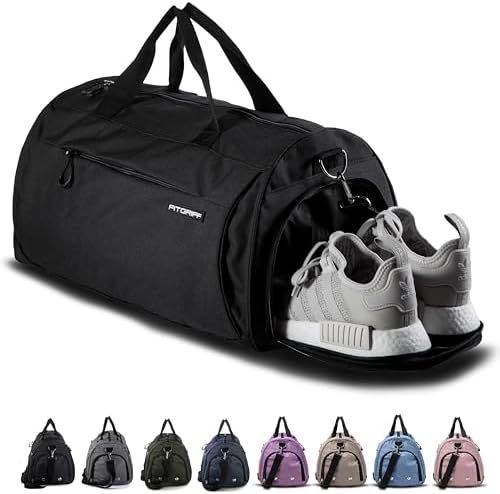
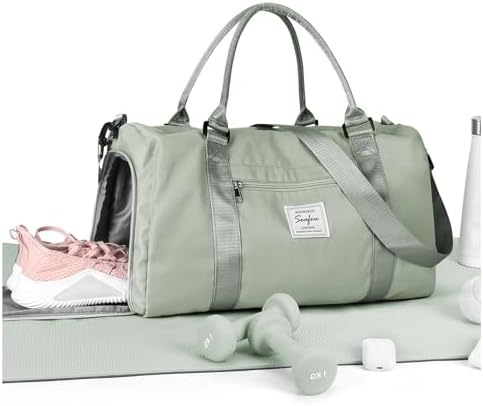
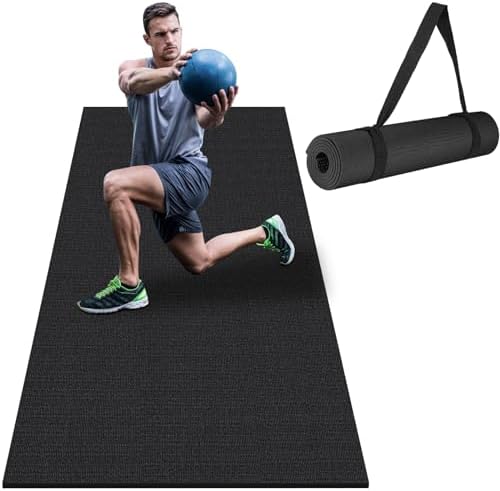
In summary, investing in a few essential accessories—such as a reusable water bottle, a quality mat, and an organized gym bag—can significantly impact your workout experience. These items not only provide the necessary support for effective and safe training but also encourage a consistent fitness routine, helping you to achieve your health and fitness goals.


Resistance Training Equipment: Weights and More
Resistance training is a form of exercise that involves working against some form of resistance to build strength, endurance, and muscle tone. For beginners, understanding the fundamental aspects of resistance training and the equipment available is essential for developing an effective workout routine.
One of the most accessible forms of resistance training involves the use of free weights, including dumbbells and kettlebells. Dumbbells are versatile tools that come in various weights, making it easy for beginners to start with lighter loads and gradually progress as they gain strength. Kettlebells, on the other hand, offer enhanced functionality, allowing users to perform dynamic movements like swings and snatches, which engage multiple muscle groups.


Another popular option for beginners is resistance bands. These elastic bands are lightweight, portable, and come in varying resistance levels, making them suitable for users of all fitness levels. Resistance bands can be used for exercises targeting different muscle groups, including arms, legs, and core, and can help enhance flexibility and balance while minimizing the risk of injury.


When choosing weights, it is crucial to consider your current fitness level and experience. As a starting point, select a weight that allows you to perform 8 to 12 repetitions with proper form while still feeling challenged. If you can easily complete the repetitions, it is an indication that the weight may need to be increased. Additionally, free weights provide more engagement of stabilizing muscles compared to resistance machines, which can be beneficial for developing functional strength.

In summary, selecting the right resistance training equipment, whether it be dumbbells, kettlebells, or resistance bands, is vital for beginners. By understanding how to choose appropriate weights and embracing the benefits of free weights over machines, beginners can lay a solid foundation for their fitness journey.
Cardio Equipment: Boosting Endurance at Home
For beginners embarking on their fitness journey, incorporating cardiovascular exercises at home is a crucial step in building endurance, burning calories, and enhancing overall health. Fortunately, there are various cardio equipment options that cater to different preferences, spaces, and budgets, allowing newcomers to find the right fit for their fitness routine.
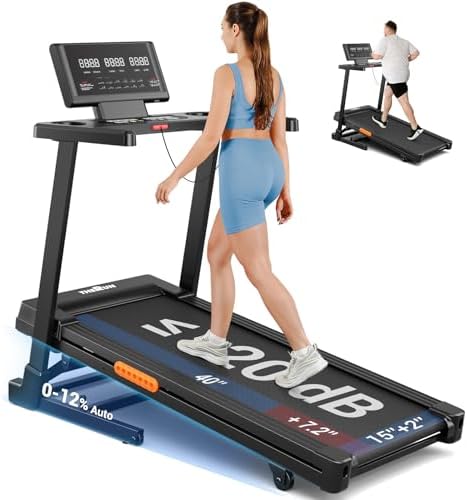
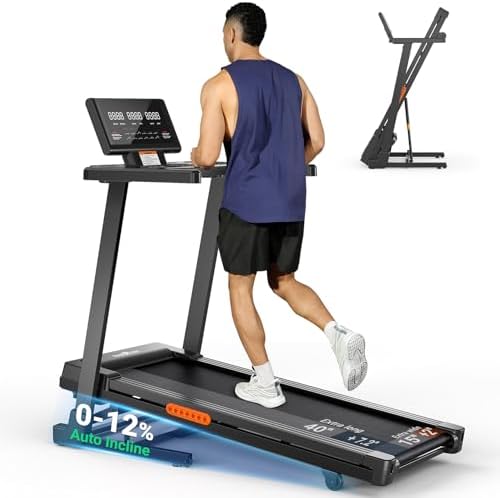
One popular option is the treadmill, which provides a straightforward way to engage in indoor walking or running. Treadmills are versatile and often come equipped with various features such as incline settings and workout programs, making them suitable for both walking and jogging. While they offer the advantage of convenience and spaciousness indoors, they can be relatively expensive and demand a significant amount of space.

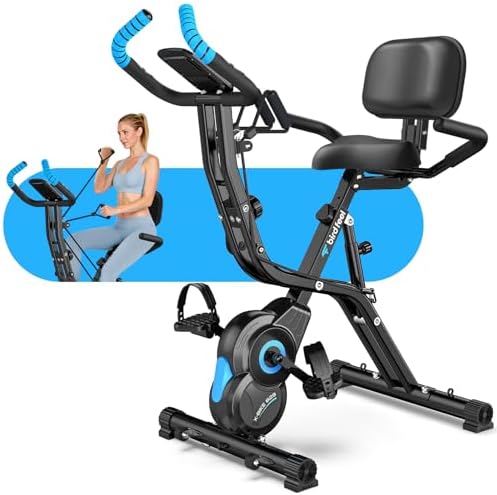
Another excellent cardiovascular tool is the stationary bike. These bikes enable individuals to enjoy cycling in a secure environment while minimizing impact on the joints. Many stationary bikes feature adjustable resistance, allowing users to gradually increase the intensity of their workouts. However, they may not provide the full-body workout that other equipment offers, so beginners should consider integrating additional exercises into their routine.


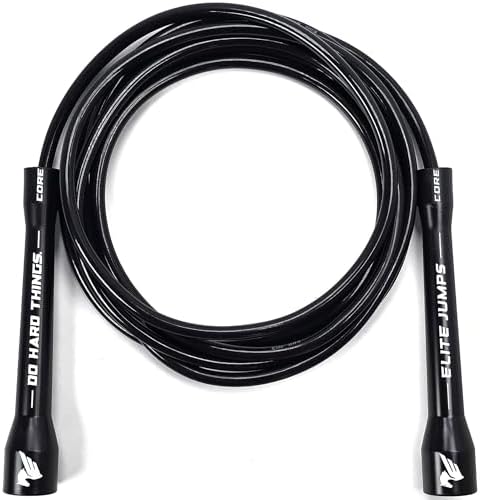
Jump ropes are an often-overlooked yet highly effective piece of cardio equipment. They are portable, affordable, and can provide an intense workout in a short timeframe. For beginners, jumping rope can enhance agility and coordination while effectively torching calories. However, it is essential to start slowly to avoid straining the muscles, as jumping rope can be demanding, especially for those new to exercise.


When embarking on a cardio program, it is advisable for beginners to begin with shorter sessions, gradually increasing both duration and intensity. It is essential to choose the cardio equipment that matches personal preferences, as consistency is key to achieving fitness goals. In conclusion, by carefully selecting the appropriate cardio equipment, beginners can enhance their endurance while enjoying their fitness journey at home.
Apps and Technology: The Modern Fitness Companion
In the contemporary fitness landscape, technology plays a pivotal role in enhancing the experience of beginners. Fitness apps and wearables have emerged as invaluable tools, assisting individuals in monitoring their progress, setting goals, and remaining motivated throughout their fitness journey. By leveraging these digital platforms, users can optimize their workouts and develop healthier lifestyles.
Popular fitness applications such as MyFitnessPal, Fitbit, and Nike Training Club serve varied functions, catering to the unique needs of beginners. For instance, MyFitnessPal enables users to log their food intake and track calories, promoting healthy eating habits. Fitbit, known for its wearable technology, allows users to monitor daily steps, heart rate, and sleep patterns. Such data not only helps individuals gauge their physical activity but also encourages them to surpass their previous achievements.
Fitness apps often feature community support, where users can connect with friends or engage in challenges, fostering a sense of accountability. This social aspect is crucial for maintaining motivation, especially for those just starting. Additionally, many apps provide guided workouts that are tailored to different fitness levels, making it easier for beginners to engage in appropriate exercises without feeling overwhelmed.
Wearable technology, particularly fitness trackers, complements these applications by offering real-time feedback about users’ performance. The convenience of having instant access to metrics like calorie burn and heart rate can significantly enhance a beginner’s understanding of their fitness levels. Moreover, these devices can alert users when they have been inactive for too long, encouraging a more active lifestyle.


In conclusion, integrating fitness apps and wearable technology into one’s routine can be transformative for beginners. By utilizing these modern tools, individuals can not only monitor their progress but also enjoy a more engaging and supportive fitness journey.
Safety Gear: Prioritizing Health and Injury Prevention
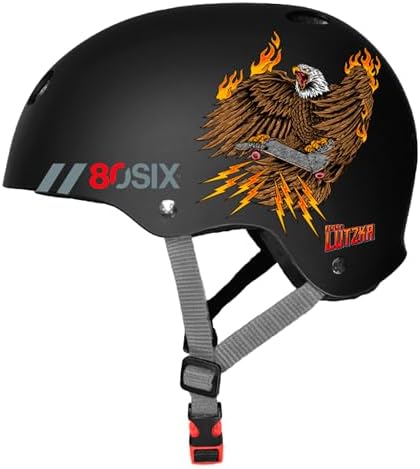
The importance of safety gear in any fitness regime cannot be overstated, especially for beginners who may be more susceptible to injuries. Depending on the fitness activities one engages in, the type of safety gear required can greatly vary. For instance, activities such as cycling, skateboarding, and rollerblading necessitate the use of helmets to protect the head during falls or collisions. A well-fitted helmet can reduce the risk of traumatic brain injuries significantly, highlighting the need for this essential piece of equipment.


For individuals participating in high-impact sports or strength training, knee pads and wrist supports are equally critical. Knee pads can provide cushioning and support to the joints, minimizing strain during exercises that involve repetitive bending or jumping. Similarly, wrist supports can help stabilize the joint while lifting weights, thus preventing strains and injuries that could sideline a beginner from their fitness journey.


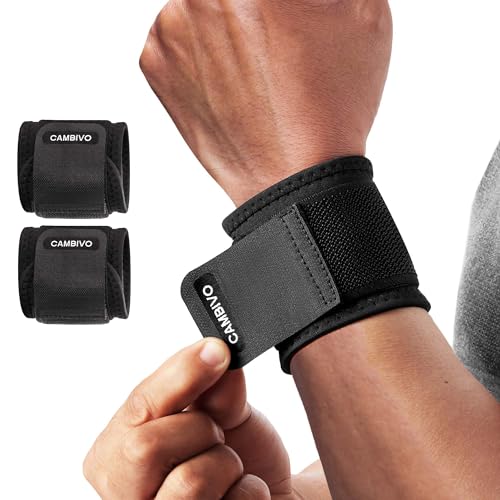
Notably, the choice of safety gear should not be considered an afterthought but rather an integral part of a fitness plan. Proper footwear, which offers both comfort and support, should not be underestimated either. Shoes designed specifically for certain activities, such as running or weightlifting, can prevent injuries by offering the right kind of support and cushioning.
In addition to individual safety items, it is important to stay informed about the best practices related to any sport or fitness activity. Education on the risks associated with particular exercises, coupled with the use of appropriate safety gear, forms the cornerstone of injury prevention strategies. Emphasizing safety gear and its role in protecting one’s health will empower beginners to pursue their fitness goals with confidence and reduced risk of injury.
Conclusion: Building Your Fitness Kit
Embarking on a fitness journey can be both exciting and daunting, especially for beginners. In this guide, we have outlined essential fitness gear that can help you start your path towards a healthier lifestyle. The key to successfully building your fitness kit lies in understanding what items are necessary and how to acquire them gradually, based on your individual goals and preferences.
To recap, we discussed the importance of selecting a quality pair of athletic shoes, versatile workout clothing, and functional accessories like resistance bands and yoga mats. Each of these items plays a pivotal role in not only enhancing your workout experience but also ensures that you stay comfortable and safe as you exercise. It is important to choose gear that aligns with your workout routine; for instance, you might prioritize different equipment if you prefer running over strength training.
As a beginner, it is vital to resist the impulse to purchase an extensive array of fitness gear all at once, as this can lead to overwhelm and potential discouragement. Instead, consider this checklist of essential items to start with:
- A good pair of athletic shoes
- Comfortable workout clothing
- A water bottle to stay hydrated
- Resistance bands for strength training
- Dumbbells for basic exercises
- A heart rate monitor or fitness tracker
By gradually adding to your collection based on your evolving fitness journey and goals, you will ensure that your workout experiences remain enjoyable and effective. With thoughtful planning and a steady approach, building your fitness kit will not only ease the process but also enhance your motivation to stay active.
As an Amazon Associate, I earn from qualifying purchases.