Why Headlamp Flashlights Are Essential for Nighttime Running
When engaging in nighttime running or trail jogging, visibility becomes paramount. Headlamp flashlights serve as an essential tool to illuminate the path ahead, ensuring runners can navigate various terrains safely. The importance of clear visibility during low-light conditions cannot be overstated; it significantly reduces the risk of accidents and obstacles during evening exercises.


One crucial advantage of headlamp flashlights is their ability to provide hands-free illumination. Traditional handheld flashlights may not be practical when running, as they require the use of both hands for operation. Headlamps, however, are worn directly on the head, allowing for a comfortable fit and enabling runners to maintain a natural running posture. This hands-free design promotes safety since it allows runners to use their hands for balance and navigation without compromising on visibility.
Furthermore, headlamp flashlights contribute to enhanced depth perception in environments with limited light. By casting a focused beam on the ground just ahead, runners can better assess the terrain, identify potential hazards, and anticipate any changes in elevation or surface irregularities. This heightened awareness can be particularly beneficial on uneven trails or rugged paths, where missteps are more likely in the dark.
Additionally, using headlamp flashlights allows runners to increase their field of view compared to other forms of lighting. As the head moves, the light source moves with it, illuminating the runner’s surroundings in a manner that can adapt to their line of sight. This dynamic aspect of headlamps not only enhances safety but also improves overall performance by fostering a more immersive experience in the natural world at night.
Key Features to Look for in a Headlamp for Running
When selecting a headlamp for running, it is crucial to consider several key features that significantly impact performance and safety. Among these features is brightness, which is measured in lumens. A headlamp’s brightness determines how well you can see the trail ahead during low-light conditions. For trail running and night jogging, a headlamp with a lumens rating of at least 150 is advisable to ensure visibility on uneven surfaces.


Another vital aspect to evaluate is battery life. Longer battery life means fewer interruptions during your runs. Look for models that offer both rechargeable and replaceable battery options, providing flexibility for different running conditions and durations. A battery life extending upwards of ten hours on a low setting is ideal.
Weight is also an important factor when choosing a headlamp. Runners should opt for lightweight models to minimize discomfort and avoid hindering performance. A headlamp weighing less than 200 grams is generally considered suitable for running purposes.
Beam distance is essential as it indicates how far ahead the light reaches. For running trails, a beam distance of roughly 100 meters will offer optimal visibility, allowing you to navigate obstacles with ease. For runners who tackle technical trails or cross-country paths, a broader beam or floodlight option may be beneficial.
Additionally, assessing the waterproof rating of a headlamp can be important, particularly for those running in wet conditions. A headlamp with at least an IPX4 rating is recommended, as it withstands splashes from any direction. Finally, adjustable straps enhance comfort and stability during runs. Look for models with elastic, non-slip straps that allow users to tailor the fit for maximum comfort.
Comparing LED vs. Traditional Bulbs in Headlamps
The choice of bulb in headlamps is pivotal for trail runners and night joggers, with LED and traditional incandescent bulbs being the predominant options. Each technology possesses distinct characteristics that appeal to varying user preferences based on performance and efficiency.
LED (Light Emitting Diode) bulbs have surged in popularity due to their energy efficiency and superior brightness. They consume significantly less power than incandescent bulbs, leading to prolonged battery life. This efficiency becomes particularly advantageous during long trail runs, where consistent and reliable light is essential. Many modern headlamps equipped with LED technology can produce brightness levels exceeding 1000 lumens, allowing runners to navigate complex terrains easily.
In contrast, traditional incandescent bulbs, which have been the standard for years, exhibit a different performance profile. These bulbs produce a warm light that can be perceived as more comforting; however, they consume more energy and generate excess heat. Consequently, the battery life of headlamps with incandescent bulbs tends to be shorter, necessitating more frequent replacements or recharges, which can be impractical during extensive night outings.
Furthermore, lifespan is a critical comparison point. LED bulbs are known to last much longer than their incandescent counterparts, often exceeding 25,000 hours of use as opposed to about 1,000 hours for traditional bulbs. This longevity means less waste and more reliability on the trail, making LED headlamps a superior choice for frequent users.
In summary, LED bulbs provide superior energy efficiency, brightness, lifespan, and overall performance, making them the preferred choice for headlamps utilized in trail running and night jogging. Understanding these differences helps runners make informed decisions tailored to their specific needs, enhancing their safety and experience in low-light conditions.
Safety Tips for Night Running with a Headlamp
Night running can be an exhilarating experience, especially with the assistance of a headlamp flashlight. However, safety must remain a priority to ensure an enjoyable outing. To optimize visibility and security during your nocturnal runs, consider wearing bright or reflective clothing. This type of apparel is essential as it enhances your visibility to oncoming traffic and other trail users. When motorists or fellow runners can see you easily, the risks of accidents significantly decrease.
While your headlamp provides necessary illumination, it is crucial to maintain a considerate approach to its usage. Avoid blinding oncoming traffic or other users on narrow paths by adjusting the beam’s angle. A well-positioned beam not only lights your immediate surroundings but also minimizes discomfort for those you encounter. This courtesy contributes to an amicable environment for all, fostering a sense of community among night runners.
Being aware of your surroundings while running in the dark is vital for ensuring your safety. A headlamp helps you identify potential hazards such as uneven terrain, roots, or rocks that could lead to falls. However, do not rely solely on the light; engage your other senses by listening for approaching cyclists or runners. Maintaining a heightened awareness of your surroundings allows you to react promptly to any potential threats, enhancing your overall safety. Utilize trails that you are familiar with and consider opting for well-trafficked routes where fellow runners are likely to be present.
By prioritizing visibility through reflective clothing, mastering headlamp use, and maintaining situational awareness, you can run safely and enjoy the unique experience that nighttime jogging offers. Always remember that the key to a successful night run lies in intentional preparation and respect for others on the trail.

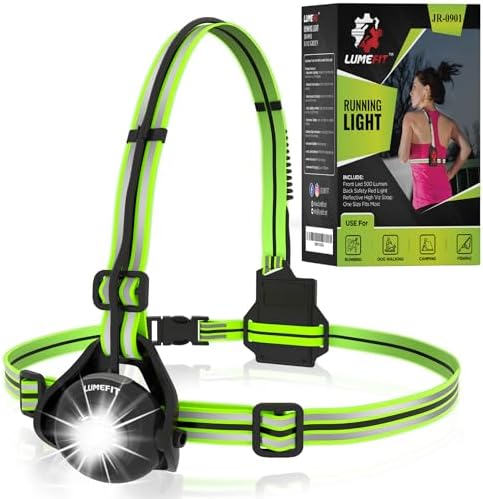
How to Maintain and Care for Your Headlamp
To ensure that your headlamp flashlight remains in optimal working condition for trail running and night jogging, proper maintenance and care are paramount. Adhering to best practices not only extends the lifespan of your device but also guarantees reliable performance during your outdoor adventures.
One of the most critical aspects of maintaining a headlamp is caring for its batteries. Regularly check the battery compartment for any signs of corrosion or damage. If your headlamp uses rechargeable batteries, ensure they are charged according to the manufacturer’s guidelines. If your model uses disposable batteries, consider replacing them once they begin to show signs of diminished power, helping prevent any unexpected failures on the trail.
Cleanliness is another essential factor in headlamp maintenance. After exposure to dirt, mud, or moisture, gently wipe down the exterior with a damp cloth to remove any debris. This will help maintain not just the aesthetics of the device but also its functionality. Ensure that the headlamp lens is clean, as dirt and grime can obscure light output. A soft microfiber cloth is ideal for this task, as it effectively removes any residue without scratching the surface.
Proper storage after each use further contributes to the durability of your headlamp flashlight. Store it in a dry, cool location when not in use, preferably in a dedicated pouch or case to safeguard against impacts or adverse weather conditions. Avoid exposing the device to extreme temperatures and humidity levels, as these can degrade its components over time.
By implementing these simple yet effective maintenance practices—battery care, regular cleaning, and safe storage—you can ensure that your headlamp remains a dependable companion for all your trail running and night jogging excursions.
The Future of Headlamp Technology for Runners
The landscape of headlamp technology is rapidly evolving, particularly for runners who rely on reliable illumination during trail running and night jogging. Among the most significant innovations emerging in this field is the development of smart lighting systems, which allow headlamps to automatically adjust brightness based on ambient light conditions. This adaptability not only enhances visibility but also conserves battery life, a critical consideration for long-distance runners.
Another prominent trend in headlamp technology is the integration of Bluetooth capabilities. This feature allows runners to connect their headlamps with mobile devices or smartwatches, enabling them to control the light intensity and mode directly from their wrist or phone. Furthermore, these connected devices may offer additional functionalities, such as GPS tracking and route mapping, providing athletes with essential data related to their runs.
Advanced power solutions are also making significant strides in the world of headlamps. Lithium-ion battery technology has become standard, providing longer running times and faster charging capabilities compared to traditional alkaline batteries. Additionally, the introduction of solar charging options on some models opens new possibilities for off-grid adventures, ensuring that runners can maintain their headlamp’s efficacy even during extended periods away from conventional power sources.
As manufacturers focus on creating lightweight, ergonomic designs, future headlamps will likely emphasize comfort and safety. Features such as enhanced straps that minimize bounce and maximize comfort during rigorous activities are expected to become mainstream. Moreover, incorporating reflective materials can increase visibility during low-light conditions, which is particularly crucial for runners navigating busy urban environments.
Overall, the culmination of these innovations is set to revolutionize the current offerings in headlamp technology. Runners can look forward to an array of features aimed at improving their overall experience and safety while navigating trails and paths under low-light conditions.
Conclusion: Choosing the Right Headlamp for Your Night Adventures
In summary, the selection of a headlamp flashlight plays a crucial role in enhancing the safety and enjoyment of trail running and night jogging. As you consider your choice, it is essential to evaluate various factors that significantly influence performance in different environments. First and foremost, the brightness of the headlamp is paramount; it is recommended to choose a model with adjustable brightness levels to suit both the terrain and your personal preference. A wide beam can offer greater peripheral vision, while a focused beam may be better for spotting distant objects.
Another vital consideration is the battery life of your selected headlamp. Since longer night adventures may require extended use, opt for a headlamp with a reliable battery performance that meets your running duration needs, whether through rechargeable or replaceable options. Furthermore, the weight of the headlamp cannot be overlooked; a lightweight design will ensure comfort throughout your run, minimizing any distractions that may hinder your performance.


Lastly, think about the environment where you will be running. Waterproof or water-resistant features may be crucial for those who may encounter varying weather conditions. The fit and adjustability of the headlamp also significantly impact your experience; a secure fit will help maintain your focus on your surroundings instead of adjusting the light. Therefore, take the time to reflect on your specific running habits, the frequent trails, and personal preferences, ensuring that you choose a headlamp flashlight that aligns perfectly with your needs for night adventures. An informed decision will illuminate your path and enhance your overall experience in the great outdoors.
As an Amazon Associate, I earn from qualifying purchases.