Introduction to Camping Tables
Camping tables are essential pieces of equipment designed to enhance the outdoor experience, providing a stable surface for various activities during camping, fishing, or picnicking. These tables are especially valuable in outdoor settings where a reliable and clean workspace is needed, whether for meal preparation, dining, or leisure activities such as playing games or organizing gear.

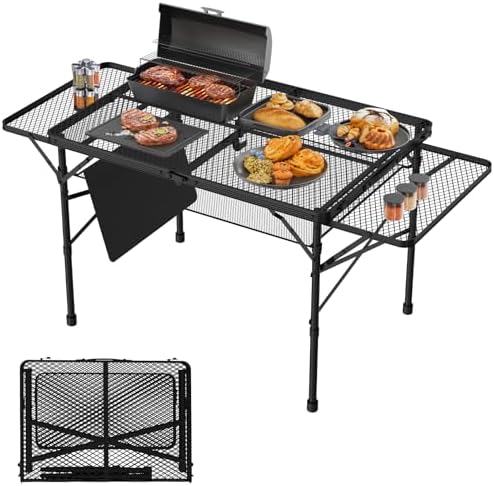
The significance of camping tables lies in their ability to improve convenience and comfort. When participating in outdoor adventures, one encounters a variety of terrains and conditions, which can complicate many tasks. A well-designed camping table mitigates these challenges, offering a portable solution that allows campers to enjoy their surroundings without sacrificing the comforts typically found at home. Their mobility ensures they can be set up and broken down with minimal effort, making them an ideal choice for those who enjoy spontaneous excursions.
Camping tables come in a multitude of types to cater to diverse preferences and needs. Some of the popular designs include foldable tables, which are lightweight and compact, making them easy to transport; adjustable height tables, which provide flexibility for different purposes; and larger banquet-style options, suitable for group gatherings. Each type offers distinct advantages, allowing campers to select a table that aligns with their specific outdoor activities and the number of people involved in the adventure.
In essence, the right camping table can significantly enhance the overall outdoor experience, serving as a central hub for activity, nourishment, and enjoyment. Understanding the different types available and their respective benefits is crucial for anyone looking to optimize their outdoor gatherings.
Factors to Consider When Choosing a Camping Table
When selecting a camping table for your outdoor expeditions, several key factors warrant consideration to ensure you choose the best option for your needs. One of the primary aspects to take into account is the size and weight of the table. A camping table should ideally be compact and lightweight for easy transportation, fitting snugly within your gear without adding excessive bulk. Consider the available space you have at your campsite and how many people will be utilizing the table.


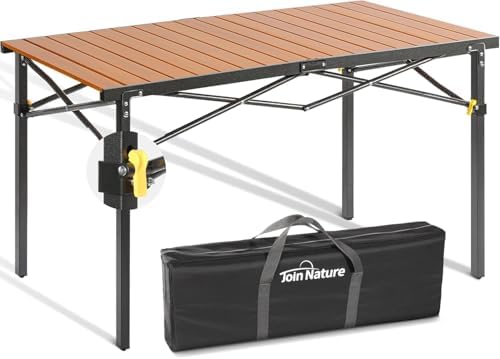
Portability is another crucial factor. Many camping tables are designed to fold or collapse, making them easier to carry. Look for models that come with a carrying bag or straps for added convenience. The ease of setup should also be a priority; choose a table that can be assembled quickly without the need for complex instructions or tools, facilitating a hassle-free camping experience.
The material of the camping table significantly influences its overall performance. Common materials include aluminum for its lightweight properties and durability, and plastic for its weather resistance and affordability. Assessing the structural integrity of the materials used will play a vital role in ensuring your table withstands various outdoor conditions.
Height adaptability is another feature to consider, especially if you’re planning to use the table for different activities, such as eating, playing games, or preparing food. A table with adjustable height options can cater to varying preferences among users. Furthermore, the table’s durability is essential to ensure it remains functional through multiple camping trips. Ensure that the table has a robust design that can withstand the rigors of outdoor use.
In conclusion, thoroughly assessing these factors will lead to a well-informed decision when choosing a camping table, enhancing your overall outdoor experience.
Types of Camping Tables: Pros and Cons
When selecting a camping table for outdoor adventures, understanding the various types available can greatly influence your decision. Each type of camping table comes with its own advantages and drawbacks, making it essential to assess which works best for your specific needs.
Folding Tables: Folding tables are known for their convenience and portability. They are easy to set up and collapse, making them ideal for campers who need something lightweight and user-friendly. Their compact size allows for easy transport, fitting into most vehicle trunks. However, they may lack sturdiness compared to other options and might not handle heavy loads effectively.
Collapsible Tables: Similar to folding tables, collapsible tables offer portability along with improved stability. Many collapsible designs include lock mechanisms to ensure safety during use. Furthermore, they often feature adjustable heights, which can provide flexibility depending on your needs. A potential downside is that some models may be more complex to assemble than folding tables.
Camp Kitchen Tables: Camp kitchen tables are specifically designed for cooking and food preparation. They often include additional storage for utensils and cookware, enhancing efficiency while camping. These tables typically feature a sturdy construction to support heavier items, providing excellent functionality. However, they tend to be bulkier, making transport less convenient.
Picnic Tables: Picnic tables are ideal for a more permanent setup, often found at campgrounds. They provide ample space for meals and gatherings, making them perfect for family camping outings. While they provide comfort and stability, portability is a significant drawback as they are generally heavy and immovable.
In assessing these types of camping tables, campers can make informed choices by weighing the pros and cons of each, ensuring an optimal outdoor experience tailored to their adventure requirements.
Understanding Materials Used in Camping Tables
When selecting a camping table, one of the most critical factors to consider is the material used in its construction. The three primary materials commonly employed for camping tables are aluminum, plastic, and wood. Each of these materials offers distinct benefits and downsides that can influence your decision based on your specific outdoor needs.
Aluminum is a prevalent choice for camping tables, largely due to its lightweight nature and durability. Aluminum tables are easy to transport, making them ideal for hiking or long camping trips. These tables are also resistant to rust, which enhances their weather resistance. However, it is worth noting that while aluminum can withstand various weather conditions, it may dent or scratch more easily compared to other materials.
Plastic camping tables offer a favorable option for those seeking affordability and ease of maintenance. Plastic is generally resistant to stains and weather extremes, allowing for straightforward cleanup and prolonged use. That said, while these tables are lightweight, they may not have the same level of durability as aluminum or wood. They can deform or become brittle under excessive heat or weight, which can limit their usability over time.
Wooden camping tables exude a natural aesthetic appeal and often provide superior stability compared to their aluminum and plastic counterparts. They are less prone to slippage and provide a sturdier surface for cooking or dining. Nonetheless, wood requires more maintenance, as it can warp or suffer from weather damage if not properly treated. Additionally, wooden tables tend to be heavier, which can make them less desirable for those focused on portability.
Ultimately, the best material for a camping table hinges on your specific preferences regarding weight, durability, weather resistance, and maintenance requirements. By understanding the pros and cons of each material, you can make a more informed decision to enhance your outdoor adventures.
Assessing Size and Portability Needs
When selecting the perfect camping table for your outdoor adventures, measuring size and understanding portability requirements are critical steps. First, consider the number of users and the type of gear you intend to place on the table. A small, intimate camping trip for two may not require a large table, while a family gathering could necessitate a more spacious surface. Measure the area in which you plan to set up the table, accounting for other gear and seating arrangements. A table that comfortably accommodates your needs can greatly enhance your camping experience.
Next, consider the table’s dimensions. Camping tables come in various shapes and sizes, with some designed for compactness and others for larger settings. It is beneficial to compare the dimensions against your designated space and the number of users expected. Remember, taller tables are often more comfortable for dining, while lower tables can be ideal for activities like playing cards or assembling cooking gear. A table that strikes a balance between user comfort and spatial awareness will serve you well.
Portability is another significant factor when choosing a camping table. Lightweight materials often make for easier transport; however, ensure that the construction remains robust enough to withstand outdoor conditions. Many camping tables fold compactly and slide easily into vehicle storage compartments, making them more desirable for those who value mobility. Additionally, consider the carrying weight—heavier tables might require more effort to transport, while lightweight varieties facilitate easier maneuverability. A table that balances size, usability, and portability will ultimately enhance your outdoor adventures, making it essential to carefully assess these needs during your selection process.

Durability and Weather Resistance Considerations
When selecting a camping table, two of the most crucial factors to consider are durability and weather resistance. Given that camping often exposes equipment to harsh environmental conditions, it is essential to choose a table that can withstand these elements. Tables made from high-quality materials, such as aluminum or high-density polyethylene, tend to offer superior durability. These materials resist rust and corrosion, making them ideal for use in rainy or humid environments.
Exposure to sunlight can also be detrimental to camping tables. Prolonged exposure can lead to warping, fading, or cracking, especially in tables made from lower-quality plastics or woods. Therefore, look for tables that are UV-resistant, ensuring they maintain their integrity and appearance over extended periods under the sun.
Another consideration is the construction of the table itself. A well-constructed camping table will include reinforced joints and sturdy legs that can support significant weight, providing both stability and durability. Ensuring that the table has a good weight capacity will prevent sagging or collapsing during use, particularly when placing heavy items on it. This aspect is crucial not only for the functionality of the table but also for safety during your outdoor adventures.
Additionally, consider the table’s portability and ease of setup in relation to its durability. While a lightweight table may be easier to carry, it is essential that it does not compromise on strength and can endure various conditions. Selecting a camping table with a balance of weight, durability, and weather resistance will enhance your camping experience, allowing you to focus on enjoying nature rather than worrying about your equipment.
Budgeting for Your Camping Table
When planning your outdoor adventures, budgeting for essential gear, including a camping table, is crucial. Camping tables can vary significantly in price, typically ranging from $30 to $300, depending on the brand, materials, and features. Understanding what to expect in terms of pricing will help you find a table that meets both your needs and your budget.
At the lower end of the spectrum, affordable camping tables are usually constructed from lightweight materials, making them easy to carry but potentially less durable. These tables may serve basic functions, such as providing a surface for meals or playing games, but they might not withstand heavy use or adverse weather conditions. Conversely, mid-range prices often bring improved quality, offering sturdier tables made from stronger materials, ideal for regular camping activities. High-end tables, while a larger investment, typically combine durability with additional features like adjustable height, water-resistant surfaces, or collapsible designs, enhancing both convenience and longevity.
To balance quality and cost effectively, consider prioritizing your camping table’s essential features based on your specific needs. If you frequently camp with family or require a larger space, investing in a more substantial, higher-quality table might be worthwhile. Meanwhile, casual campers can opt for more affordable options without sacrificing functionality.


Maintenance and Care of Camping Tables
Proper maintenance and care of camping tables are essential for ensuring their longevity and functionality during outdoor adventures. Different materials require specific cleaning and storage methods to keep the tables in optimal condition. Understanding these nuances helps in selecting the right approach for your camping table.
For aluminum camping tables, which are popular for their light weight and durability, cleaning usually involves a simple wipe down with a damp cloth and mild soap. Avoid using abrasive cleaners as they can scratch the surface. If any rust develops, it can often be removed with a fine steel wool pad followed by a light application of a protective spray. To store aluminum tables, ensure they are completely dry before folding and packing them to prevent moisture build-up that could lead to corrosion.
Plastic camping tables are another common option, known for being lightweight and easy to clean. Regular cleaning can be performed using warm, soapy water and a soft cloth. For tougher stains, a mixture of baking soda and water can be effective. Plastic tables should be stored in a cool, dry place, away from direct sunlight, to prevent fading and warping over time.
For wooden camping tables, maintenance involves a bit more care, as wood can be susceptible to moisture and pests. To clean, use a soft brush to remove dirt and debris, followed by a sponge with mild soap. In addition to regular cleaning, applying a sealant or outdoor varnish annually can protect the wood from water damage. Store wooden tables in a dry environment, and whenever possible, cover them with a tarp to shield them from the elements.
In essence, understanding the material composition of your camping table will inform the best maintenance practices. By following these guidelines, you can extend the lifespan of your camping furniture, ensuring many enjoyable outdoor experiences ahead.
Conclusion: Making the Right Choice for Your Adventures
Choosing the best camping table is an essential aspect of preparing for any outdoor adventure. As we have discussed, various factors must be considered to ensure that the selected table meets your specific needs and enhances your camping experience. The types of camping tables available, including foldable and portable options, cater to different preferences and uses, so understanding the differences can greatly influence your decision.

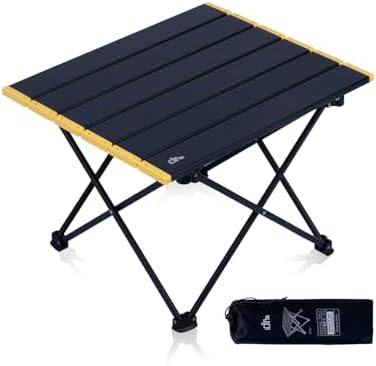
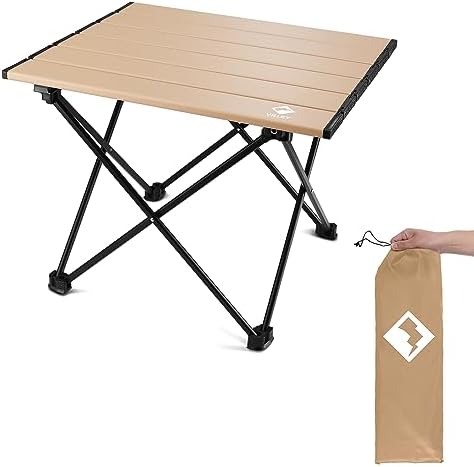
Durability and weight are critical factors that impact both the usability and transportability of a camping table. A lightweight table allows for easy carrying, while sturdy materials ensure longevity and stability. Additionally, the height and surface area of the table should be aligned with your intended activities, from cooking to dining. Opting for features such as adjustable legs or built-in storage can further enhance your camping experience, making it more convenient and enjoyable.
Price is another variable to evaluate. While higher-priced options may offer more durable construction and additional features, it is important to find a balance between cost and quality that suits your budget without compromising your camping experience. Ultimately, taking the time to assess your personal camping needs and preferences will equip you to select a table that perfectly fits into your outdoor activities.
In conclusion, with the insights provided, we encourage you to reflect upon the various considerations presented in this post. By prioritizing what matters most to you in a camping table, you will be prepared to make an informed decision that enhances your outdoor adventures. Happy camping!
As an Amazon Associate, I earn from qualifying purchases.