Understanding Your Personal Style
Identifying your personal style is a crucial step in selecting the perfect handbag that complements your wardrobe and daily activities. Personal style is a reflection of your personality, preferences, and the image you wish to convey. The key to determining your style involves self-reflection and consideration of various fashion categories, including classic, bohemian, trendy, and minimalist. Each of these styles has its unique characteristics that appeal to different individuals.
A classic style tends to emphasize timeless pieces and neutral colors, favoring structured handbags that exhibit sophistication and elegance. If this aligns with your aesthetic, opt for handbags made of high-quality materials like leather, which can withstand the test of time and may even improve with age.
On the other hand, if you identify with a bohemian spirit, your choices may reflect a love for free-spirited designs, flowing shapes, and earthy tones. Handbags in this category often incorporate creative elements, such as embroidery or fringe, that can embody a laid-back yet artistic look.
Trend-conscious individuals might gravitate towards bags that feature current styles, patterns, and colors. If your style is constantly evolving with the seasons, consider trendy handbags that allow you to express contemporary fashion. These pieces can serve as statement accessories that elevate any outfit.
Lastly, the minimalist style is defined by simplicity, functionality, and often, a monochromatic palette. If this is your aesthetic, look for handbags that prioritize clean lines and understated elegance. Such designs ensure versatility and can seamlessly transition from day to evening wear.
In summary, understanding your personal style is essential in guiding your handbag choices. By exploring and recognizing the styles that resonate with you, you can confidently select a handbag that enhances your overall look while aligning with your lifestyle.
Considering the Occasion
Choosing the right handbag involves more than just personal preference; it requires careful consideration of the occasion at hand. Different events call for different styles, sizes, and functionalities in a handbag to fulfill both practical needs and aesthetic desires.
For casual outings, such as a day at the park or a shopping trip, opt for crossbody bags or tote bags that offer ample space while still maintaining comfort and ease of use. These styles allow for hands-free convenience, making them ideal for a relaxed day where mobility is key.
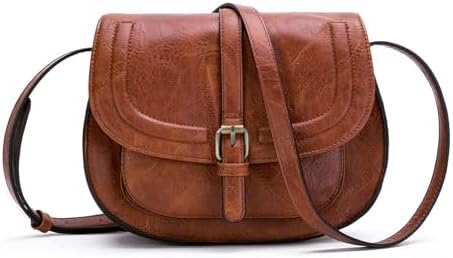


In professional settings, a structured handbag or a briefcase-style bag is advisable. These types of handbags not only convey a sense of professionalism but also provide enough room to carry essential documents and items needed for meetings or presentations. Opt for neutral colors like black, navy, or brown to ensure compatibility with various work outfits.


When attending formal events such as weddings or galas, a clutch or a small evening bag is the perfect choice. These bags typically feature elegant designs and luxurious materials that complement formal attire beautifully. Ensure that the handbag is appropriately sized to hold essentials like a phone, lipstick, and keys without overwhelming the overall look.
Finally, for travel occasions, consider opting for a spacious weekender bag or a stylish backpack. These types of handbags should prioritize utility without sacrificing style, offering secure compartments for travel documents, electronics, and personal effects. By assessing the event and the appropriate handbag types, one can confidently enhance their overall wardrobe and complement their outfits, ensuring versatility for any situation.
Material Matters: Choosing the Right Fabric
When selecting the perfect handbag, the choice of material plays an integral role in defining not just the aesthetic, but also the functionality and longevity of the product. Common materials include leather, fabric, and synthetic options, each offering distinct advantages and potential drawbacks.
Leather handbags are often seen as the epitome of luxury. They have a timeless elegance and can age beautifully when cared for properly. Full-grain leather, for example, is known for its durability and natural finish. However, leather does require maintenance, including conditioning and cleaning, to preserve its quality over time. Additionally, it often comes with a higher price point, making it a significant investment.
Fabric handbags, which can be made from cotton, canvas, or other textiles, present a more casual yet versatile option. They tend to be lightweight and can come in an array of colors and patterns, making them suitable for various occasions. Nevertheless, fabric options may lack the durability of leather and can be more prone to stains and wear, especially if they are not treated with proper finishes.
Synthetic materials, such as nylon or polyurethane, have gained popularity due to their affordability and ease of maintenance. These handbags often mimic the appearance of leather while being lighter and available in countless designs. Nonetheless, synthetic alternatives may not offer the same level of durability as genuine leather and can wear out more quickly under frequent use.
In summary, the material of your handbag should align with your lifestyle, budget, and personal style preferences. By understanding the characteristics of leather, fabric, and synthetic options, you can make an informed decision that ensures your handbag is both practical and stylish for any occasion.
Sizing It Right: What Size Handbag Do You Need?
When selecting a handbag, size plays a crucial role in both functionality and style. The right handbag size not only complements an outfit but also ensures that all of your essentials fit comfortably without compromising on aesthetics. Whether you are contemplating a small clutch, a medium crossbody, or a large tote, understanding the purpose and daily requirements for your handbag will steer you toward the perfect choice.
Firstly, consider your daily routine. Do you typically carry just the essentials like your wallet, phone, and keys? A small or medium handbag might suffice for you. Smaller bags can lend an elegant touch to formal events while maintaining an unencumbered silhouette. On the other hand, if your lifestyle requires extra space for items such as a tablet, makeup essentials, or work documents, a large handbag will be necessary to accommodate those needs without excess strain.
Additionally, think about the occasions you attend regularly. For formal events, a petite handbag could elevate your outfit, whereas casual outings may necessitate a more spacious design. Remember, the handbag should not just fulfill its practical role but also enhance your overall look.
Another factor to consider is your personal style. Some individuals prefer bold, oversized handbags that can make a statement, while others may appreciate the minimalist aesthetic of a smaller bag. Ultimately, the size of the handbag should align with both your functional needs and your personal style preference, allowing for a versatile accessory that serves its purpose without compromise.
Color Coordination: Matching Handbags with Outfits
Selecting the perfect handbag involves understanding the principles of color theory and how to harmoniously blend your accessories with your attire. A well-coordinated handbag not only enhances the overall look but also reflects your personality and style. To begin with, it’s essential to differentiate between neutral and bold colors, as each serves a unique purpose in your wardrobe.
Neutral colors, such as black, white, beige, or gray, are incredibly versatile and can be paired with a variety of outfits. These hues provide a solid foundation, allowing the rest of your attire to be the focal point. For instance, a classic black handbag can effortlessly complement an elegant outfit for a formal occasion, while a beige tote can bring out the elegance of a casual ensemble. Opting for neutral shades ensures that your handbag will be a staple piece, adaptable to different occasions.
On the other hand, bold colors can serve as eye-catching statement pieces, adding vibrancy and personality to any ensemble. Colors like red, royal blue, or bright yellow can introduce an energetic element to your look. When choosing a bold handbag, consider coordinating it with your outfit to enhance the overall effect. Color blocking, for example, is a popular technique where a handbag in a striking color contrasts with clothing in complementary shades, creating a dynamic visual appeal.
In contrast, you may also choose to match the handbag with a specific clothing item, such as shoes or a belt, to create a cohesive look. Good color coordination not only involves matching shades but also balancing warm and cool tones to achieve a harmonious effect. Pay attention to the undertones of colors in your outfit and handbag; ensuring that they complement rather than clash can elevate your fashion game significantly.
Balancing Style and Functionality
When selecting the perfect handbag, striking a balance between style and functionality is crucial. A handbag serves not only as a fashion accessory but also as a practical tool for everyday use. To achieve this balance, one must consider various features that enhance usability without sacrificing aesthetics.
One important aspect to evaluate is the number and arrangement of pockets within the handbag. Multiple pockets allow for better organization, making it easier to locate essentials like your phone, wallet, or keys. A well-organized handbag can save time and prevent frustration during busy moments. Furthermore, the type of closures, such as zippers, magnetic snaps, or buckles, plays a role in both convenience and security. A handbag that opens and closes smoothly allows for quick access to items while providing peace of mind that belongings are safe.
The size and shape of the handbag are also vital elements to consider. A larger bag may accommodate more items, which is essential for day trips or work, but it should not be overly cumbersome. Conversely, a smaller handbag may enhance style for evening outings but could lack space for daily necessities. Selecting the right dimensions based on the occasion and personal lifestyle can bridge the gap between style and functionality.
In addition, the material of the handbag should not be overlooked. Materials that are durable yet stylish will ensure longevity while maintaining an elegant appearance. Leather, canvas, and synthetic fabrics each have their own benefits and must be matched with the anticipated use of the handbag.
Therefore, achieving a perfect blend of fashion-forward design and practical features is essential for your handbag choice. Thoughtfully considering these elements will lead to a purchase that meets both style and functional needs, making your handbag an invaluable addition to your wardrobe.
Investing in Quality vs. Quantity
Choosing the right handbag often involves a critical decision between investing in a few high-quality pieces or amassing a collection of lower-quality bags. While it may be tempting to buy multiple handbags that feature trendy designs or come at lower price points, there are significant advantages to selecting quality over quantity. A high-quality handbag, made from premium materials and crafted with attention to detail, can enhance a wardrobe both in terms of style and functionality.
High-quality handbags are often crafted using superior materials such as genuine leather, durable fabrics, and meticulous stitching. This craftsmanship not only ensures that the bag will withstand everyday wear and tear, but it also elevates the overall aesthetic. It’s common for high-end handbags to age beautifully, developing a character and patina that lower-quality bags may not achieve as they succumb to wear and damage over time.
Moreover, investing in a few high-quality handbags can be more economical in the long run. Although the initial purchase price may be higher, these bags tend to last much longer than their cheaper counterparts. A well-constructed handbag can serve you for years, becoming a staple in your wardrobe that can be used for various occasions, thus potentially saving you money. In contrast, lower-quality bags might require more frequent replacements, leading to a greater cumulative cost over time.


Additionally, quality handbags often retain their value better than cheaper options. Designer handbags can be considered investments that may appreciate over time, particularly limited-edition items or classic designs. This aspect can be particularly appealing for those who appreciate both fashion and financial prudence.
In conclusion, the decision to invest in high-quality handbags is not merely about owning fewer items; it reflects a commitment to craftsmanship, longevity, and style. Therefore, when selecting your next handbag, contemplate whether the investment will yield long-term satisfaction and durability, making it a worthwhile addition to your collection.
Maintaining Your Handbag: Care Tips
Maintaining your handbag is essential to ensure its longevity and to preserve its appearance. A well-cared-for handbag not only enhances your wardrobe but also offers a sense of style and sophistication. Here are some practical care tips that can help you keep your handbag in top-notch condition.
Firstly, cleaning your handbag regularly is crucial. Different materials require different cleaning methods. For leather bags, a damp cloth can remove surface dirt, while specialized leather cleaners can help maintain its luster. For fabric handbags, consider using a soft brush or a lint roller to remove debris. It is important to test any cleaning product on a small, inconspicuous area first to ensure it does not damage the bag.
Proper storage is another key aspect of handbag maintenance. Always store your handbags in a cool, dry place away from direct sunlight, as prolonged exposure can cause fading and damage to the material. If possible, keep them in a dust bag, and use shapewear or stuffing to maintain their shape. Do not hang your handbags on hooks or store them in cramped spaces, as this can lead to deformities.
Additionally, protecting your handbag from wear and tear should be a priority. Avoid placing your handbag on the ground, as it can accumulate dirt and scuffs. When not in use, consider using a protective spray designed for your bag’s material to shield it from water and stains. Regularly check the hardware, such as zippers and clasps, to ensure they are functioning properly, addressing any issues promptly to prevent further damage.
By following these maintenance tips, you can extend the life of your beloved handbags and keep them looking fresh and stylish for years to come.
Trends vs. Timeless Pieces: Making Smart Choices
When selecting a handbag, it is essential to strike a balance between current trends and timeless pieces that can withstand the test of time. Handbags, much like other fashion accessories, often experience fluctuations in popularity. While it can be tempting to invest in the latest styles showcased on runways or by fashion influencers, making informed choices leads to a more sustainable wardrobe.
Trendy handbags may offer an exciting burst of aesthetic appeal, yet they are often designed to fit a specific moment in time. These pieces can quickly become outdated, leaving those who invested in them facing the dilemma of how to incorporate them into future outfits. On the other hand, timeless handbags, typically characterized by classic shapes, neutral colors, and enduring materials, will maintain relevance across various fashion cycles. A chic leather tote or a structured crossbody will complement numerous outfits—not just those of a single season.
For a smart purchasing strategy, consider the versatility of the handbag in question. A high-quality, classic design can seamlessly transition from casual to formal settings, making it an invaluable addition to your collection. Contrast this with a seasonal piece, which may only be suitable for specific outfits or occasions, limiting its usability.
Furthermore, invest in brands known for their craftsmanship and durability. Researching the materials and production processes will ensure that your handbag not only reflects current trends but also offers lasting value. Cultivating a collection that honors both timeless elegance and occasional trend flair allows for a richly diverse wardrobe while promoting wise financial decisions. By doing so, you bolster your personal style without sacrificing practicality or mindful consumption.
As an Amazon Associate, I earn from qualifying purchases.