Understanding Your Lawn Care Needs
Choosing the right lawn mower requires a thorough understanding of your specific lawn care needs. Before diving into the various types of mowers available on the market, it is crucial to assess the characteristics of your lawn, including its size, the type of grass you cultivate, and the terrain of your property. Understanding these factors will guide you in selecting the most suitable mower to address your individual requirements.
The size of your lawn plays a significant role in determining which mower will be most efficient. For smaller lawns, push mowers are often adequate, allowing for precision and ease of use. Conversely, for larger properties, riding mowers or zero-turn models may be a better investment, as they provide increased mobility and reduced time spent cutting grass. Additionally, consider how often you mow your lawn; more frequent maintenance may necessitate a mower with greater power and efficiency.
The type of grass you have is another vital consideration, as different grass varieties have distinct growth patterns and maintenance needs. Some grasses thrive in lower cutting heights, while others require taller settings. Selecting a mower equipped with adjustable cutting heights can enhance your mowing experience and produce healthier grass. Furthermore, be mindful of the mower’s ability to handle various terrains, such as hilly or uneven ground. A lightweight mower might suffice for flat lawns, but rugged landscapes will benefit from more robust options, including models with good traction and stability.
Lastly, establish the grass height you aim for, as this will influence both the frequency of mowing and the mower’s cutting capacity. An effective assessment of your lawn care requirements will ensure that you choose a mower that not only meets your immediate needs but also contributes to the long-term health and appearance of your lawn.
Types of Lawn Mowers Available
When selecting a lawn mower, understanding the various types available can significantly influence your decision, ensuring that you choose a model that suits your specific gardening needs. The main categories include push mowers, self-propelled mowers, riding mowers, and robotic mowers, each offering unique features, benefits, and ideal applications.
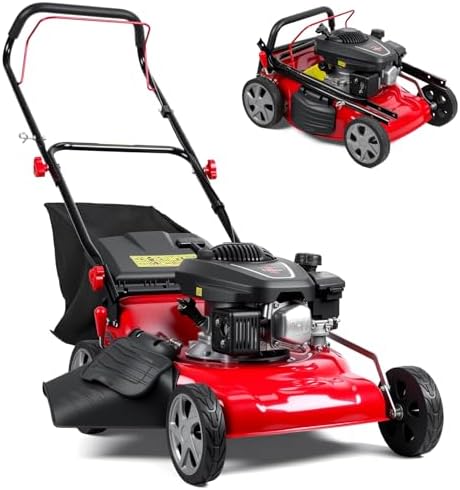
Push mowers, typically the simplest and most affordable option, require the user to manually propel the mower across the grass. They are well-suited for small to medium-sized lawns and offer a straightforward mowing experience. Their ease of use and lower maintenance costs make them a popular choice for homeowners who enjoy an active role in lawn care.
Self-propelled mowers take the effort out of mowing. Equipped with a drive system that propels the mower forward, they are ideal for larger yards or uneven terrains. These mowers allow users to adjust the speed, making them convenient for various lawn conditions. Features such as adjustable cutting heights add to their versatility.
Riding mowers, on the other hand, are designed for large properties where pushing or self-propelling would be cumbersome. These mowers allow the user to sit while operating the machine, substantially reducing fatigue during longer mowing sessions. With a variety of cutting decks available, riding mowers can tackle expansive lawns quickly and efficiently.
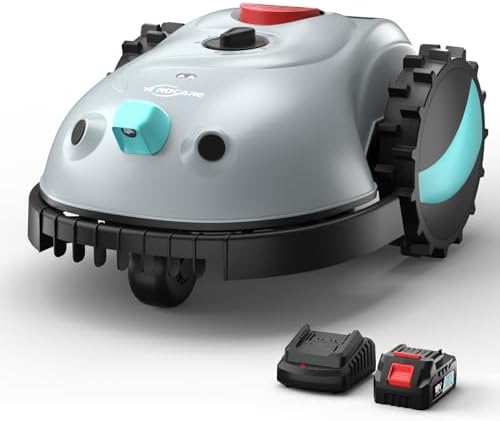
Lastly, robotic mowers represent the future of lawn maintenance. These advanced machines are capable of mowing autonomously, navigating around obstacles, and returning to their charging stations once the job is complete. They are perfect for tech-savvy homeowners wishing to automate their lawn care routine.
Understanding these types of lawn mowers will help you assess which model aligns best with your lawn care requirements, enhancing both the efficiency and enjoyment of maintaining your outdoor space.
Key Features to Consider
When selecting a lawn mower, it is imperative to consider the essential features that align with your lawn care needs. One of the most critical aspects is the cutting width of the mower. This feature determines how much grass can be cut in a single pass, and thus impacts the efficiency of your lawn maintenance. A mower with a wider cutting width is ideal for larger lawns, reducing the time spent mowing; whereas a narrower width is more suitable for smaller, intricate areas.


Adjustability in cutting height is another feature that should not be overlooked. Different grass types and seasonal growth may require various cutting heights. A mower that offers a range of height adjustment settings provides flexibility, allowing users to achieve the desired length for their lawn. This feature is particularly beneficial during the growing season when grass may require different treatments compared to the dormant seasons.
Engine power plays a vital role as well. The power of the engine is typically measured in horsepower and determines the mower’s capability to handle different types of terrain and grass thickness. For those with hilly or uneven lawns, a lawn mower with a more powerful engine can navigate challenges more efficiently, ensuring a neat cut without stalling.
Finally, consider the type of fuel required for the engine, as this will impact the overall convenience of use. Gasoline-powered mowers often offer more power and longer run times, while electric mowers (both corded and battery-operated) provide ease of use and lower emissions. The choice between these fuel types should reflect both personal preferences and environmental considerations to ensure that your lawn mowing experience is efficient and responsible.
Evaluating Electric vs. Gas Lawn Mowers
When it comes to lawn maintenance, choosing the right mower is crucial for efficiency and performance. Both electric and gas lawn mowers have their unique advantages and disadvantages, making the evaluation process essential for consumers. A thorough comparison can aid in selecting the perfect mower tailored to your individual needs.


Electric lawn mowers are becoming increasingly popular due to their ease of use and lower environmental impact. They operate quietly, minimizing noise pollution, and usually require less maintenance compared to their gas counterparts. With electric mowers, users can enjoy hassle-free operation, as they simply need to recharge their batteries or plug them in. In addition, electric models typically produce zero emissions during operation, contributing to a more sustainable environment. However, they may have limitations regarding power and run time, particularly with larger lawns or tough grass conditions.
On the other hand, gas lawn mowers have traditionally been the preferred choice for homeowners with larger landscapes or rugged terrains. Their powerful engines usually deliver greater cutting performance and allow for extended mowing sessions without needing recharging. However, these mowers have their downsides as well, such as being noisier and emitting exhaust fumes, which can be concerning for environmentally conscious individuals. Furthermore, gas-powered mowers generally require more maintenance, including regular oil changes, air filter replacements, and spark plug inspections.
Ultimately, the decision between electric and gas lawn mowers hinges on personal preferences, lawn size, and environmental considerations. Electric mowers excel in sustainability and low maintenance, while gas mowers impress through their power and endurance. Taking the time to weigh these pros and cons can lead to a more informed choice, ensuring your lawn care experience is as effective and satisfying as possible.
The Importance of Ergonomics and Comfort
When selecting a lawn mower, prioritizing ergonomics and user comfort is essential for an efficient mowing experience. A well-designed mower not only enhances the performance but also significantly reduces physical strain during operation. Key factors to consider include handle height, weight, ease of use, and vibration reduction. Each of these elements plays a pivotal role in determining how comfortably and effectively a person can manage the mower.
Firstly, handle height is crucial; it should be adjustable to accommodate varying user heights. A handle positioned at the wrong level can lead to discomfort or even injury. Therefore, mowers offering adjustable handles can significantly improve user ergonomics, allowing for a more natural posture while mowing.
Weight is another critical factor in choosing a lawn mower. Heavier models may be more challenging to maneuver, particularly for users with limited strength or stamina. Lightweight mowers make it easier to navigate around obstacles and reduce fatigue during extended periods of use. For users who mow larger areas or have hilly terrains, investing in a mower that strikes a balance between durability and weight is particularly beneficial.
Additionally, ease of operation is vital to user comfort. Features such as self-propelling mechanisms can lessen physical exertion, making mowing less labor-intensive. Future users should also evaluate control placements, ensuring that all necessary functions are easily accessible without straining.
Finally, advanced vibration reduction technology is crucial for user comfort and health. Excessive vibrations can lead to fatigue and discomfort, particularly with prolonged use. Some manufacturers have developed systems that minimize vibration transmission, enhancing the overall experience. By considering these ergonomic aspects, users can select a lawn mower that significantly improves comfort and efficacy during each mowing session.
Budgeting for Your Lawn Mower
When considering the purchase of a lawn mower, establishing a budget is a critical step that can greatly influence your options and overall satisfaction. The price of lawn mowers varies significantly based on several factors including type, brand, and features. Generally, lawn mowers can be segmented into three primary price categories: budget, mid-range, and premium models, each catering to different user needs and experience levels.


Budget mowers, typically priced under $200, are ideal for those with small yards or limited mowing requirements. These mowers may lack some advanced features but can effectively handle basic lawn care tasks. For instance, a simple push mower or a basic electric model can provide a reliable solution for homeowners with minimal maintenance expectations.
On the other hand, mid-range lawn mowers, usually priced between $200 and $600, offer a better balance of functionality and features. They often include self-propelled options, enhanced cutting width, and improved durability. These models are suitable for homeowners with medium-sized yards who seek efficiency without breaking the bank.
Lastly, premium lawn mowers, which range from $600 to over $1,500, come equipped with high-end features such as advanced engines, innovative design, and superior cutting systems. These mowers are designed for larger lawns, often including additional features like riding capabilities, which can significantly reduce mowing time and effort.
Ultimately, setting a realistic budget for your lawn mower should take into account both the size of your lawn and your specific mowing needs. Always consider the features that would add value to your lawn maintenance while avoiding unnecessary expenditures on capabilities that you may not fully utilize. By effectively budgeting for your lawn mower, you can ensure a satisfactory purchase that aligns with your lawn care objectives.
Reviews and Customer Feedback
When considering the purchase of a lawn mower, it is essential to delve into customer reviews and feedback. This research can provide valuable insights regarding performance, durability, and overall user satisfaction. To ensure that the information you gather is reliable, focus on reviews found on reputable websites and forums that specialize in gardening equipment and home improvement.
Start by visiting retail websites such as Home Depot, Lowe’s, or Amazon, where customers often leave detailed feedback. Look for products with a substantial number of reviews, as this typically indicates a higher level of customer interaction and satisfaction. Pay close attention to both positive and negative comments, as this dual perspective offers a more balanced view of the mower’s capabilities.
Additionally, consider seeking out independent review sites and YouTube channels that focus on lawn care equipment. These platforms often conduct in-depth analyses and comparisons between different models, providing expert opinions alongside user-generated content. User forums and social media groups can also serve as a rich resource for discussions about particular mowers, helping you to grasp common issues or standout features reported by other users.
When interpreting the feedback, consider the context in which the lawn mower is used. For example, someone in a hilly area may report different performance results compared to a user in a flat region. This understanding will help you determine whether the mower’s characteristics align with your specific lawn care needs.
In summary, a comprehensive approach to reading and interpreting reviews allows potential buyers to make informed decisions regarding their lawn mower selection, enhancing satisfaction with their final purchase.
Maintenance and Care Tips
Proper maintenance is pivotal for the longevity and efficiency of your lawn mower. Adhering to a consistent maintenance schedule not only ensures optimal performance but also helps prevent costly repairs in the long run. One of the first and most essential tasks is to regularly clean the mower. After each use, remove any grass clippings, dirt, or debris from the mower deck and under the blades. This practice not only promotes a tidy work environment but also prevents corrosion and blockages that can impede performance.
Another crucial aspect of maintenance is blade sharpening. Dull blades can damage your lawn by tearing grass instead of cutting it cleanly, which can lead to brown edges and increased vulnerability to disease. It is advisable to sharpen the blades at least once per season, or more frequently if the mower is used heavily. For the average homeowner, sharpening the blades can be done at home using a sharpening tool, but professional services are always available for those who prefer expert assistance.
Seasonal check-ups are also a critical component of lawn mower maintenance. Before the mowing season begins, conducting a thorough inspection of the mower will ensure all components are functioning correctly. This includes checking the oil level, replacing the air filter, and inspecting the spark plug. Additionally, a complete fuel system inspection, including replacing old fuel with fresh gasoline, is essential to ensure the mower starts easily and operates efficiently. Following these maintenance and care tips will not only enhance the mower’s performance but also extend its lifespan, ensuring that your lawn remains well-kept throughout the season.
Conclusion: Making Your Choice
In the process of selecting the right lawn mower, it is vital to consider multiple factors that align with your unique lawn care needs. Understanding the type and size of your yard, as well as the specific features of different mowers, can significantly influence your decision. For example, if you have a smaller lawn, a push mower may be ideal for efficiency, while larger spaces may benefit from the capabilities of riding mowers or zero-turn models.
Moreover, evaluating your budget is essential. Lawn mowers are available in a wide range of price points, and it’s crucial to find a balance between quality and cost. In addition to the upfront cost, consider the long-term expenses associated with maintenance and fuel. Different mower types, such as electric or gas models, may also carry varying operational costs that should be factored into your decision.
Another important aspect to contemplate is the ergonomic features of the mower, which can enhance your comfort during use. Adjustable handles and lightweight designs can make mowing less strenuous. A mower that is easy to handle will not only improve your mowing experience but may also lead to better lawn health through consistent maintenance.
Lastly, take the time to read reviews and seek recommendations from friends or gardening experts. Personal experiences can provide valuable insights and help you make an informed decision. Remember, choosing the right lawn mower is not merely about acquiring a tool; it’s about investing in the health and aesthetics of your lawn. Therefore, assessing your preferences thoughtfully will lead you to a mower that fulfills your lawn care requirements efficiently and satisfactorily.
As an Amazon Associate, I earn from qualifying purchases.