Introduction to High-Protein Meals
High-protein meals have gained increasing attention among fitness enthusiasts and individuals aiming to maintain a balanced diet. These meals are characterized by their elevated levels of protein, a crucial macronutrient that plays a pivotal role in numerous bodily functions. Protein is essential for muscle recovery, as it aids in the repair and growth of muscle tissues that sustain damage during physical activities.
Additionally, incorporating high-protein foods into one’s diet may support effective weight management. Protein has a unique property of promoting satiety, which helps reduce overall food intake, making it easier for individuals to adhere to weight loss programs or maintenance schedules. Furthermore, the thermogenic effect of protein—a process where the body uses energy to digest and metabolize food—can contribute to increased calorie expenditure, thereby supporting fat loss efforts.
Beyond muscle recovery and weight control, protein contributes to overall health. It plays a vital role in the production of enzymes, hormones, and other important body chemicals. Proteins are also integral to maintaining healthy skin, hair, and nails, highlighting their importance beyond just athletic performance.
The emphasis on high-protein meals aligns with modern dietary trends that prioritize nutrient-dense foods. In this blog post, we will explore various high-protein air fryer meals designed for fitness enthusiasts and meal prep aficionados alike. These meals will not only meet protein needs but also provide convenience and delicious flavor, enhancing the overall eating experience.
Benefits of Using an Air Fryer
The air fryer has become a popular kitchen appliance, particularly among health-conscious individuals seeking to prepare high-protein meals efficiently. One of the primary benefits of using an air fryer is the significant reduction in cooking time compared to traditional cooking methods. With the ability to cook food faster, meal preparation becomes less time-consuming, which is essential for those maintaining a busy lifestyle.
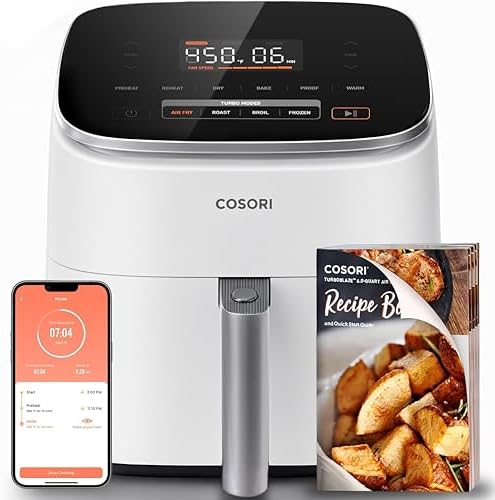
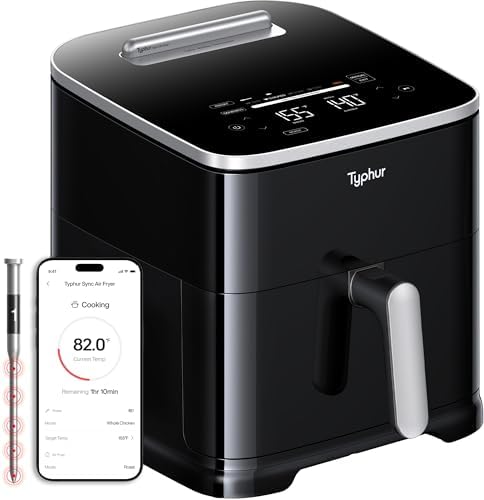
Another noteworthy advantage is the lower fat intake that air frying provides. Unlike traditional frying methods that often require large amounts of oil to achieve desired textures and flavors, air fryers utilize hot air circulation to cook food. This technique can lead to up to 75% less fat in comparison to conventional frying. As a result, meals prepared in an air fryer are not only healthier but also aligned with fitness goals aimed at protein intake, making it an ideal tool for meal prep.
Furthermore, air fryers are designed to enhance flavor retention in meals. With the ability to crisp foods efficiently, dishes remain juicy inside while developing a delightful exterior. High-protein options like chicken, turkey, or fish can be deliciously cooked without sacrificing taste. The air fryer’s versatility allows it to accommodate a wide range of ingredients, from lean meats to vegetables, enabling users to craft diverse and nutritious meals tailored to their dietary needs.
Overall, the air fryer serves as an invaluable kitchen gadget that simplifies the cooking process while promoting healthier eating habits. Its capacity to prepare tasty high-protein meals quickly and with less fat makes it a favorite among fitness enthusiasts and meal preppers alike.
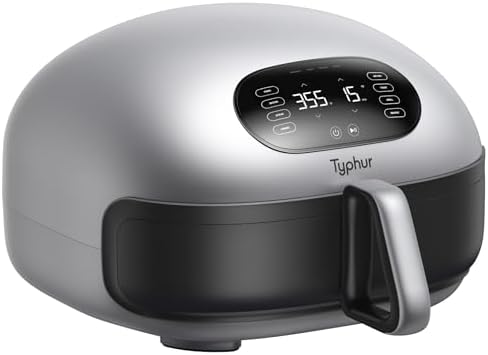
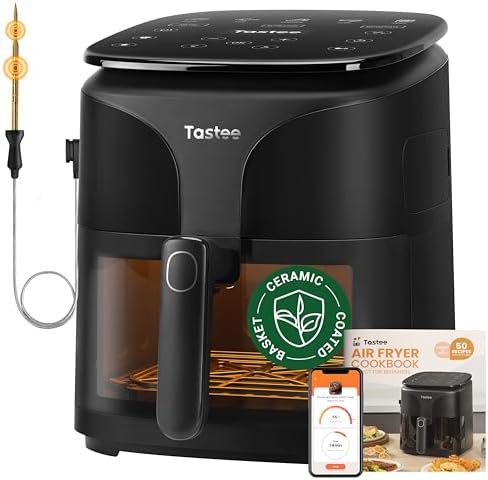

Key High-Protein Ingredients
Incorporating high-protein ingredients into your air fryer meals can significantly benefit your fitness and meal prep goals. Several sources of protein not only enhance the nutritional value of your dishes but also contribute to a satisfying culinary experience. Here are some essential high-protein ingredients that work exceptionally well in air fryer recipes.
Chicken is a popular choice due to its versatility and low fat content. Rich in protein, it can be seasoned in numerous ways and cooked to perfection in an air fryer, keeping it juicy while achieving a crispy texture. Options such as boneless chicken breasts or thighs can be prepared with spices or marinades, allowing for creative expression.
Fish is another excellent source of protein. Varieties like salmon, tilapia, and cod not only provide essential fatty acids but also cook quickly in an air fryer, creating a flaky texture. The use of herbs, citrus zest, or a light coating of breadcrumbs can elevate the flavors of fish dishes.
For those following a plant-based diet, tofu serves as a highly adaptable protein source. Firm tofu can be cut into cubes or slices and air-fried until golden brown, making it an ideal option for various sauces and stir-fry combinations. Its ability to absorb flavors makes tofu a favorite among vegetarian and vegan communities.
Legumes, including lentils, chickpeas, and black beans, offer a robust protein option that can be seasoned and air-fried to create crunchy snacks or toppings. Incorporating legumes into salads or grain bowls adds not only a protein boost but also a source of dietary fiber.
Lastly, eggs stand out as a highly nutritious high-protein ingredient, easy to prepare in an air fryer. Whether making hard-boiled, deviled eggs, or egg bites, they provide ample protein and can be seasoned to cater to numerous flavor profiles. With these high-protein ingredients, you can achieve a balanced and delicious meal plan that supports your fitness objectives.
Preparing High-Protein Air Fryer Recipes
Using an air fryer to prepare high-protein meals can be both efficient and satisfying. The air fryer utilizes circulating hot air to achieve a crispy texture, reducing the need for excessive oil while retaining the moisture and flavor of the ingredients. To start, it is crucial to choose protein-rich foods that are well-suited for air frying. Popular options include chicken breast, fish, turkey, and plant-based proteins like tofu and tempeh. Each of these can be seasoned or marinated to enhance flavor.
For optimal results, preheating the air fryer for a few minutes before cooking is recommended. This guarantees that the food begins cooking at the right temperature, producing a crispy exterior while keeping the inside tender. When preparing high-protein air fryer recipes, consider cutting the protein into uniform pieces. This ensures even cooking and facilitates the development of a desirable texture.
While cooking, monitoring the food is vital to achieving the perfect doneness. Depending on the type of protein, cooking times may vary. Generally, chicken and turkey require longer cooking periods compared to fish or tofu. To avoid overcooking, utilize a meat thermometer; chicken should reach an internal temperature of 165°F (75°C) for safety.
Additionally, personalization of recipes to align with dietary preferences or restrictions is straightforward with air frying. For example, those seeking low-carb options might opt for cauliflower instead of potatoes, while vegetarians can incorporate legumes and vegetables. Experimenting with different spices and marinades can also transform a basic recipe, reflecting personal taste while maintaining the protein focus.
Meal Prep Tips for High-Protein Diets
Meal prepping is an essential strategy for individuals following a high-protein diet. To maximize the benefits of your meal prep, begin by planning your weekly meals meticulously. Aim to create a balanced meal plan that incorporates a variety of protein sources such as lean meats, fish, dairy, legumes, and plant-based proteins. This not only ensures you obtain necessary amino acids but also keeps your diet interesting.
Portion control plays a critical role in maintaining a high-protein diet. When preparing meals, utilize kitchen scales or measuring cups to accurately portion out servings. This practice prevents overeating and helps in adhering to dietary goals. Each meal should ideally include a source of protein, healthy fats, and a serving of vegetables to promote a nutritionally balanced diet.
Efficient grocery shopping is another vital step in successful meal prep. Create a detailed shopping list that aligns with your meal plan, which ensures that you purchase only necessary items. Shopping in bulk can be economical, particularly for protein sources. In addition, consider purchasing frozen fruits and vegetables to minimize waste and reduce the frequency of shopping trips.
Storage and reheating of your prepped meals are equally important. Utilize airtight containers to store meals, ensuring they stay fresh longer. It’s recommended to label containers with dates and contents for easy identification. When reheating meals, opt for the air fryer as it is not only efficient but also retains the texture and flavor of proteins better than traditional reheating methods. Preparing meals in this manner streamlines your diet while helping you achieve your fitness goals more effectively.
Easy High-Protein Air Fryer Recipes
Air fryers have revolutionized cooking by allowing us to prepare delicious meals quickly, while significantly reducing the need for oil. Here, we present easy high-protein air fryer recipes that can enhance your diet while saving time.
1. Air Fryer Chicken Breast
Ingredients: 2 chicken breasts, 1 tablespoon olive oil, salt, pepper, garlic powder, paprika.
Nutritional Information: Approximately 30g protein per serving.
Cooking Time: 12-15 minutes.
Instructions: Season the chicken breasts with olive oil, salt, pepper, garlic powder, and paprika. Place in the air fryer basket and cook at 375°F for 12-15 minutes, flipping halfway through. Ensure the internal temperature reaches 165°F.
2. Air Fryer Salmon
Ingredients: 2 salmon fillets, 1 tablespoon soy sauce, lemon juice, salt, and pepper.
Nutritional Information: About 22g protein per serving.
Cooking Time: 10-12 minutes.
Instructions: Marinate the salmon fillets in soy sauce, lemon juice, salt, and pepper for 10 minutes. Preheat the air fryer to 400°F, then place the fillets in the basket skin-side down. Cook for 10-12 minutes until the salmon is cooked through.
3. Air Fryer Chickpeas
Ingredients: 1 can chickpeas, 1 tablespoon olive oil, cumin, garlic powder, paprika, salt.
Nutritional Information: Approximately 15g protein per serving.
Cooking Time: 15 minutes.
Instructions: Rinse and dry the chickpeas, then toss them with olive oil and seasonings. Spread them in the air fryer and cook at 400°F for about 15 minutes until crispy, shaking the basket halfway through.
These recipes not only provide significant protein content but are also straightforward to prepare, making them perfect additions to any meal prep routine.
Adapting Recipes for Specific Dietary Needs
Cooking high-protein meals in an air fryer allows for a versatile approach, particularly when addressing diverse dietary needs. Each individual’s dietary preferences or restrictions can largely influence meal choices, making recipe adaptation essential for inclusivity. To ensure that a meal is not only nutritious but also aligned with specific dietary requirements, various substitutions and modifications can be made.
For those opting for a vegan diet, traditional high-protein ingredients, such as chicken or fish, can be easily replaced with plant-based proteins. Options like tofu, tempeh, or seitan serve as excellent substitutes. Furthermore, legumes such as lentils or chickpeas not only provide protein but also offer fiber and various essential nutrients. It is essential to marinate or season these alternatives adequately, enhancing their flavor to match that of their animal-based counterparts.
In the case of gluten-free requirements, one can utilize gluten-free breadcrumbs or almond flour as a coating for proteins or vegetables. This adaptation allows for retaining the crunchiness that air frying provides while keeping the dish suitable for those with gluten sensitivities.
For individuals following a low-carb diet, ingredient swaps are equally vital. Cauliflower rice or zucchini noodles can replace traditional grains, while utilizing high-protein ingredients like chicken or turkey in various recipes can satisfy the dietary goals without compromising on flavor. Ingredients such as nutritional yeast can also be used to impart a cheesy flavor to dishes without the need for dairy.
High-carb dieters can focus on incorporating whole grains like quinoa or brown rice, satisfying hunger while providing protein. Experimenting with diverse legumes can yield creative and filling meals, rewarding both health-conscious consumers and culinary enthusiasts alike.
By integrating these substitutions thoughtfully, anyone can enjoy the benefits of high-protein air fryer meals that cater to their unique dietary needs, ensuring that healthy eating is accessible and enjoyable.
Incorporating High-Protein Meals into Your Fitness Routine
Integrating high-protein meals into your fitness routine is a crucial part of maximizing your workout effectiveness and achieving your nutritional goals. The timing of your protein intake can significantly influence muscle recovery and growth, particularly in relation to your workout schedule. Consuming a high-protein meal or snack within two hours after completing a workout can help replenish the protein stores you depleted during exercise, allowing for effective muscle repair and development.
When planning your meals, aim to include a variety of protein sources, such as lean meats, fish, dairy, legumes, and plant-based proteins. This variety contributes not only to adequate protein intake but also ensures that you are receiving a balanced mix of other essential nutrients. For instance, pairing grilled chicken with quinoa and steamed vegetables offers a comprehensive array of macronutrients needed for recovery and energy replenishment.
In addition to main meals, consider incorporating high-protein snacks throughout the day. Options such as Greek yogurt, protein-packed smoothies, and nut butter on whole-grain toast ensure that you maintain energy levels and stave off hunger. These snacks also serve to complement your main meals, helping you reach your overall protein goals without overwhelming your daily caloric intake.
Furthermore, maintaining an appropriate balance of macronutrients—carbohydrates, fats, and proteins—will help promote overall fitness success. While protein is essential for muscle repair, carbohydrates serve as the primary fuel source for your workouts, and healthy fats support cellular function and hormone production. By effectively combining these macronutrients into your meals, you will enhance performance, stamina, and recovery.
Conclusion and Encouragement to Experiment
In conclusion, integrating high-protein meals into your diet is essential for supporting fitness goals and improving overall health. As discussed, air fryer recipes are not only convenient but also versatile, allowing you to prepare a variety of protein-rich dishes with minimal fuss. From lean meats to plant-based options, the possibilities are vast, and they can cater to various dietary preferences. The use of air fryers can enhance the texture and flavor of proteins while keeping them healthier by requiring less oil compared to traditional frying methods.
Furthermore, the high-protein meals created with an air fryer can significantly contribute to muscle repair and growth, essential for anyone engaging in regular physical activity. This makes incorporating such meals a strategic choice for both fitness enthusiasts and those looking to maintain a balanced diet. Whether you’re meal prepping for the week or preparing a quick dinner, these meals can fit seamlessly into your routine.


We encourage you to take the knowledge you’ve gained and start experimenting with your air fryer. Don’t hesitate to try out different seasoning combinations or cooking times to find what works best for your taste preferences. Each attempt is an opportunity to discover new recipes that suit your palate. Remember that cooking should be an enjoyable experience, fostering creativity in the kitchen.
Take the leap and explore a variety of high-protein air fryer meals. As you experiment, document your cooking adventures and share recipes that resonate with you. By doing so, you will not only enhance your culinary skills but also contribute positively to your fitness journey through nutritious and delicious meals.
As an Amazon Associate, I earn from qualifying purchases.