Introduction to Camera Lenses
Camera lenses are crucial components of photographic equipment that play a significant role in determining the quality of images captured. They are responsible for focusing light onto the camera’s sensor, allowing photographers to create clear and sharp images. Understanding the function and types of camera lenses can greatly enhance one’s photography skills and overall experience.
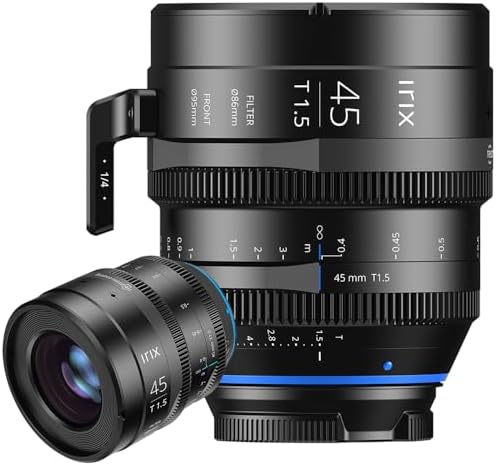


The importance of camera lenses cannot be overstated, as they influence various aspects of an image, including depth of field, perspective, and the level of detail captured. The choice of lens can dramatically alter the outcome of photographs, enabling artistic expression and creativity. For instance, a wide-angle lens can be employed to capture expansive landscapes, while a telephoto lens is ideal for shooting distant subjects, providing various creative options for photographers.
Camera lenses can be categorized into several types, each designed for specific photographic needs. Standard lenses (often referred to as prime lenses) typically have a fixed focal length and provide a natural field of view. Zoom lenses, on the other hand, offer a range of focal lengths, allowing for versatility in framing a shot without the need to change lenses. Specialty lenses, such as macro lenses, are designed for close-up photography, while fisheye lenses offer a unique, distorted perspective suitable for artistic shots.
Moreover, factors like aperture size, lens construction, and coating can significantly impact lens performance. A lens with a larger maximum aperture allows for better performance in low light and helps create a shallower depth of field, which is essential for portrait photography.
Understanding Focal Length
Focal length is one of the most critical attributes of a lens in photography, influencing not only composition but also depth of field and perspective. Defined as the distance between the lens and the image sensor when focused at infinity, focal length is measured in millimeters (mm). A lens with a shorter focal length, generally categorized as a wide-angle lens, captures a broader view and allows for greater depth of field. These lenses are particularly useful for landscape photography, giving the photographer the ability to include foreground elements while stretching the background, effectively guiding the viewer’s eye through the image.
Conversely, standard lenses, typically in the range of 35mm to 70mm, provide a field of view that closely replicates human vision. This makes them versatile for various types of photography, including portraits and street photography, as they produce images that feel naturally balanced. The depth of field capabilities of standard lenses also lend themselves well to creating a selective focus, allowing the subject to remain sharp while the background is blurred, effectively isolating the subject within the scene.
On the other end of the spectrum are telephoto lenses, which possess a longer focal length, often exceeding 70mm. These lenses excel at capturing distant subjects with remarkable detail. Articulating the compressive effect, telephoto lenses also create a shallower depth of field, giving photographers the ability to achieve impressive bokeh effects in their images. This characteristic can dramatically enhance portraits, providing a three-dimensional quality to the subject against a soft, blurred background.
Ultimately, understanding the nuances of focal length allows photographers to make informed decisions about the lenses they choose, shaping their creative vision and enabling them to convey powerful narratives through their imagery.
The Impact of Aperture
Aperture is a fundamental component in photography, referring to the opening of a lens diaphragm through which light passes. It plays a pivotal role in determining the exposure, depth of field, and overall image quality. The size of the aperture is designated by f-numbers (or f-stops), with lower f-numbers corresponding to larger apertures that allow more light to enter the lens. Conversely, higher f-numbers result in smaller apertures that restrict light intake. This relationship is critical, as it directly influences the exposure of the photograph, reflecting how bright or dark the image appears.
In addition to exposure, aperture significantly affects depth of field. A wide aperture (e.g., f/1.8) creates a shallow depth of field, which is particularly desirable for portrait photography where a blurred background can help isolate the subject. On the other hand, a narrow aperture (e.g., f/16) increases depth of field, allowing more of the scene to remain in focus. This characteristic is particularly advantageous in landscape photography, where details across various distances are critical for a compelling composition.
The overall quality of the image is also influenced by the aperture setting. Various lenses contain elements that interact differently with light, and this can lead to variations in sharpness and bokeh, the aesthetic quality of the background blur. High-quality lenses tend to exhibit more favorable optical performance at wider apertures, yielding crisper images with less distortion. Consequently, understanding the aperture’s impact enables photographers to harness their lens’s full potential, thereby improving the artistry and technical quality of their work.
The Advantages of Prime Lenses vs. Zoom Lenses
When considering the right equipment for photography, selecting between prime lenses and zoom lenses can significantly influence your creative process. Each type of lens offers distinct advantages and drawbacks that can impact both functionality and artistic expression.
Prime lenses are characterized by their fixed focal lengths, which typically allow for better optical quality. They often feature wider apertures compared to zoom lenses, enabling photographers to achieve stunning depth of field effects and exceptional low-light performance. For instance, a 50mm f/1.8 prime lens can create beautiful bokeh, making subjects stand out against soft backgrounds. Furthermore, the simplicity and lightweight design of most prime lenses can enhance portability, encouraging everyday usage and spontaneous shooting opportunities.
In contrast, zoom lenses offer a versatile range of focal lengths within a single lens. This adaptability is particularly beneficial for dynamic shooting environments where subjects are constantly moving or where changing conditions might limit the photographer’s ability to switch lenses swiftly. With zoom lenses, capturing varying framing options—from wide landscapes to close-up portraits—without changing equipment can streamline the creative process, allowing for a more versatile shooting experience. However, the trade-off often comes in the form of slightly lower image quality and slower maximum apertures compared to their prime counterparts.
Ultimately, the choice between prime lenses and zoom lenses depends on the photographer’s specific needs and style. For detailed portrait work or scenarios where low light is a concern, prime lenses may be preferable. However, for more general photography that demands flexibility and convenience, zoom lenses could prove advantageous. The decision can significantly impact how you express creativity through your images, highlighting the importance of understanding the unique benefits of each lens type.
Choosing the Right Lens for Different Genres of Photography
Selecting the appropriate lens for a specific photography genre is crucial to achieving desired results. Each genre of photography has unique requirements that can greatly benefit from the right lens choice. For portrait photography, a lens with a longer focal length, such as an 85mm or 135mm prime lens, is ideal. These lenses enable photographers to create flattering images, with a pleasing compression that highlights facial features while maintaining a comfortable distance from the subject.
In contrast, landscape photography demands lenses with a wide angle to capture expansive vistas. A lens within the range of 14mm to 24mm helps encompass broad scenes without distortion. Additionally, these wide-angle lenses often possess excellent depth of field, allowing for sharp details both in the foreground and background. When photographing landscapes, using a tripod is advisable to achieve stability and precision in various lighting conditions.
Sports photography necessitates the use of telephoto lenses, typically ranging from 70mm to 400mm, enabling photographers to capture action from a distance. These lenses excel at isolating subjects and providing a fast shutter speed that freezes motion, essential for high-speed events. Combining a telephoto lens with a fast autofocus system can significantly enhance the likelihood of capturing captivating sports moments.
Macro photography entails a different approach altogether. Dedicated macro lenses, usually 50mm to 180mm, allow photographers to achieve extreme close-ups of subjects such as insects or flowers, revealing intricate details invisible to the naked eye. These lenses often feature high magnification ratios, providing the capability to document minute subjects beautifully. Selecting the right lens related to each photography genre ultimately impacts both the creative process and the final image quality.
In the realm of photography, the quality and construction of camera lenses play a pivotal role in determining the final outcome of an image. The lens glass itself is the most critical component, where factors such as optical purity and refractive index come into play. High-quality lenses typically use superior glass materials that minimize chromatic aberration, improving color accuracy and sharpness. Such lenses ensure that the image details are crisp, with minimal distortion, offering photographers a more reliable medium to capture their creative vision.
Additionally, lens coating significantly impacts overall image quality. Anti-reflective coatings reduce flare and ghosting, enhancing contrast in high-contrast situations. This is paramount for photographers who often shoot in diverse lighting conditions, as it ensures that image integrity is maintained without unwanted glare. Furthermore, specialized coatings can also improve color rendition, resulting in vibrant and true-to-life images that resonate with viewers. Investing in lenses with advanced coatings can be beneficial for enhancing the quality of your photographs.
The build of the lens also greatly affects performance. A well-built lens will not only last longer but will also perform better in various environments. Professional lenses tend to feature robust materials that can withstand the rigors of frequent use. This durability allows photographers to focus on their craft without the fear of damaging their equipment. In addition, the ergonomics of a lens can affect how comfortable it is to handle during long shooting sessions, which is an important consideration for any serious photographer.
Overall, the significance of investing in high-quality lenses cannot be overstated. The right lens, with excellent glass, appropriate coatings, and sturdy construction, can enhance image sharpness, create beautiful bokeh, and render accurate colors, resulting in photographs that are not only technically sound but also artistically compelling.


How Lens Filters Enhance Photography
Lens filters play a crucial role in enhancing photography, offering a variety of practical applications that can significantly improve the quality of images. Photographers often utilize filters such as polarizers, neutral density (ND) filters, and ultraviolet (UV) filters to achieve desired effects and resolve common challenges present in various shooting environments.
Polarizing filters, for instance, are particularly useful in managing reflections and glare from surfaces like water and glass. By rotating the polarizer, photographers can selectively reduce unwanted reflections, resulting in richer, more vibrant colors and increased clarity. The enhancement of the blues in the sky and the saturation of greenery are prime examples of how this filter can transform an ordinary scene into an eye-catching photograph.
On the other hand, neutral density filters serve a different purpose. These filters reduce the amount of light entering the lens without altering the color of the scene. This capability allows photographers to use wider apertures or slower shutter speeds, enabling creative effects such as silky smooth water in landscape photography or achieving a shallow depth of field in bright conditions. ND filters are invaluable for those wishing to explore long exposure techniques, even in daylight, thereby expanding creative horizons.
Ultraviolet filters, although not as essential in digital photography due to modern sensor technology, still find their place in safeguarding the lens from scratches and environmental elements. They can also serve to enhance image sharpness and reduce unwanted haze in certain atmospheric conditions. Even minimal impact on image quality is beneficial for outdoor and landscape photographers seeking to maintain their equipment’s longevity.
Ultimately, the use of lens filters is an integral part of the photographic process. Each filter serves a specific function and, when used correctly, they can dramatically elevate the final result of each photograph.
The Evolution of Lenses in Digital Photography
The landscape of digital photography has been profoundly transformed by the evolution of lens technology. Historically, lenses have played a crucial role in determining the quality of images captured by cameras. With each technological leap, the capabilities of lenses have significantly improved, directly affecting the outcomes for photographers and videographers.
One of the most notable advancements in lens technology is the introduction of image stabilization (IS). This feature effectively reduces the blurring associated with camera shake, particularly in low light conditions or while using telephoto lenses. Image stabilization has become a standard in many modern lenses, allowing photographers to achieve clearer, sharper images without the need for a tripod.
Another key innovation is the advancement of autofocus systems integrated into lenses. Early autofocus systems were often slow and imprecise, leading to missed opportunities in capturing fleeting moments. However, with modern advancements, autofocus technology has evolved into fast and reliable systems that can track subjects more effectively. Many lenses now feature dual-pixel and hybrid autofocus, providing seamless focusing for both still photography and video recording. This progression has empowered photographers to explore dynamic subjects with confidence, knowing that their lenses will deliver accurate focusing under varying conditions.
Furthermore, the advent of smart lenses has created a new paradigm in lens technology. These intelligent lenses can communicate with cameras to optimize settings based on specific shooting conditions. Features such as lens correction, real-time updates on performance, and customized profiles illustrate how digital photography is becoming increasingly integrated with advanced alloying systems.
Overall, the evolution of lenses in digital photography showcases an ongoing commitment to enhancing image quality and usability, supporting photographers in their creative endeavors as technology continues to advance.


Conclusion: The Transformative Power of the Right Lens
Throughout this discussion, we have explored the undeniable influence that the choice of lens has on photography. Selecting the right lens can significantly alter the way photographers frame their visions, impacting both creativity and image quality. The importance of understanding focal lengths, lens types, and their respective characteristics cannot be overstated; a well-chosen lens serves as an essential tool that can elevate an ordinary photograph into an extraordinary piece of art.
Different focal lengths shape not only the perspective but also the mood of an image. For example, wide-angle lenses are ideal for capturing vast landscapes and architectural features, allowing photographers to encapsulate more of a scene in each shot. On the other hand, telephoto lenses bring distant subjects closer, enabling stunning details and commanding compositions. Each lens is designed with specific capabilities, and recognizing these attributes empowers photographers to innovate in their craft.
Moreover, the choice of lens also intertwines with creative expression. A photographer can manipulate depth of field, control focus, and capture light in unique ways depending on the lens utilized. This flexibility encourages experimentation, fostering a deeper understanding of how different lenses can transform a simple idea into a compelling image.
Ultimately, the right lens is more than just a piece of equipment; it is a catalyst for creativity and enhanced visual storytelling. As photographers continue to refine their skills and explore new artistic directions, understanding the intricacies of lenses will remain fundamental. By investing time in learning which lens works best for specific scenarios, photographers can unlock a whole new realm of possibilities, ensuring that their work resonates with clarity and precision.
As an Amazon Associate, I earn from qualifying purchases.