Understanding the Challenges of Busy Moms
Modern motherhood is often accompanied by a plethora of responsibilities that can make establishing and maintaining a breastfeeding routine particularly challenging. Many busy moms find themselves juggling a demanding work schedule, household duties, and other familial commitments, which can lead to significant time constraints. These obligations frequently create a scenario where they feel torn between their breastfeeding goals and their daily responsibilities.
Time seems to be one of the most pressing challenges for busy moms. Between preparing meals, attending to older children, and managing professional commitments, finding dedicated time for breastfeeding can feel nearly impossible. In many cases, nursing sessions may be interrupted, cut short, or even skipped altogether, leading to frustration for both mother and baby. This can ultimately impact the breastfeeding relationship, causing stress for mothers who wish to provide optimal nutrition for their infants.
Furthermore, the emotional aspects of breastfeeding amid a hectic schedule cannot be overlooked. Breastfeeding is not only a physical act but also an emotional connection that fosters bonding between mother and child. When busy moms are unable to focus on this bonding experience due to outside pressures, feelings of guilt and inadequacy can arise. Such emotions may contribute to anxiety surrounding nursing, which can create a vicious cycle that hinders both feeding success and a mother’s mental well-being.
In understanding these challenges, it becomes evident that busy moms require both practical strategies and emotional support to navigate the complexities of breastfeeding. Recognizing these obstacles allows for empathetic solutions, enabling mothers to balance their various roles while still prioritizing the health of their infants.
Planning Ahead: The Key to Success
For busy mothers, effectively managing schedules can be a daunting task, especially when it comes to maintaining a consistent breastfeeding routine. Planning ahead is crucial to ensure that breastfeeding becomes a seamless part of daily life rather than an overwhelming chore. One of the most vital steps is to set aside specific times dedicated solely to breastfeeding or pumping. By identifying these windows, mothers can create a reliable schedule that accommodates their little one’s needs while allowing for necessary flexibility.
Another effective strategy is to incorporate breastfeeding sessions into existing daily routines. For instance, aligning feeding times with regular activities, such as morning coffee or afternoon breaks, can create a natural flow that minimizes disruption. Additionally, if mothers have a busy day planned, they might consider pumping breast milk in advance to have a supply ready for feeding. This preemptive approach not only saves time but also provides reassurance that the baby is getting the required nutrition even during hectic hours.
Moreover, making the most out of short feeding windows is essential. Mothers can utilize these brief moments by ensuring they are comfortably set up to breastfeed or pump quickly and efficiently. Having all necessary supplies within reach can significantly reduce wasted time looking for items in the chaos of daily life. Keeping a breastfeeding toolkit nearby—comprising a pump, storage bags, and wipes—can transform a busy morning or afternoon into a hassle-free experience.
Lastly, being adaptive to unexpected changes is key. Life can be unpredictable, and mothers should be encouraged to adjust their feeding plans as necessary. Ultimately, a proactive preparation combined with a flexible mindset will help busy moms navigate their breastfeeding journey with greater ease.
Creating a Comfortable Breastfeeding Environment
Establishing a comfortable breastfeeding environment plays a vital role in enhancing the experience for busy mothers. A calming atmosphere can help facilitate relaxation for both the mother and the baby, making the breastfeeding process more enjoyable and efficient. Start by designating a specific area in your home that is cozy and free from distractions. This can be a corner of your living room or a quiet room where you can sit comfortably. Ensuring proper lighting, such as using a soft lamp or natural sunlight, contributes to a peaceful environment.
Nursing pillows are practical tools that provide support to your arms and back during breastfeeding. They help position the baby correctly, promoting better latching and reducing discomfort. Invest in a good quality nursing pillow that suits your body shape and size. Additionally, consider using portable breastfeeding covers. These covers can offer privacy when feeding in public spaces, thus allowing mothers to feel at ease while breastfeeding.


When on-the-go, creating an effective breastfeeding space becomes more challenging, yet it remains achievable. Look for family-friendly locations such as designated nursing rooms in malls or parks. These areas often provide privacy and comfort. When selecting a place, consider whether there are comfortable seating options, such as a cushioned chair or a bench, which can add to your comfort level while nursing.
Additionally, keep essential items handy when you are out for the day. Pack a small bag with a nursing cover, nursing pads, snacks, and a water bottle to ensure you are prepared. Such preparations can alleviate stress associated with public breastfeeding, allowing you to focus on nurturing your child without worrying about your surroundings.



Using Breastfeeding Accessories to Your Advantage
For busy mothers, incorporating breastfeeding accessories into their routine can streamline the breastfeeding process significantly. These tools not only enhance convenience but also support a more comfortable and efficient feeding experience. Among the best tools available are breast pumps, storage bags, and nursing pads.
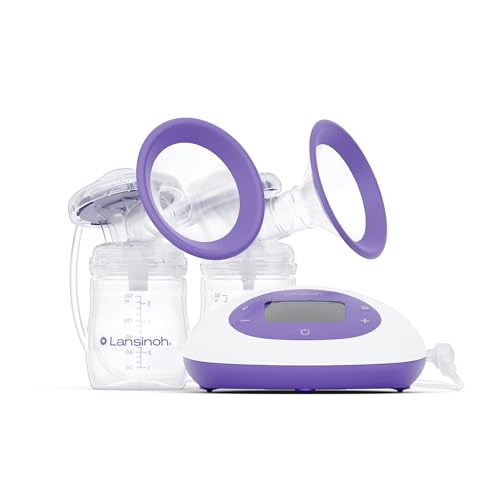
Breast pumps are essential for mothers who may need to express milk when away from their infants or who wish to build a stash for later use. When selecting a breast pump, consider factors such as portability, ease of use, and efficiency. Electric pumps are often favored for their speed and convenience, while manual pumps may appeal to those who prioritize compactness and affordability. Regardless of the type chosen, ensuring the proper fit and technique is critical to maximize milk output.


Another important accessory is breast milk storage bags. Proper storage solutions are key for maintaining the quality and safety of expressed milk. Opt for bags that are pre-sterilized and designed specifically for breast milk storage. It is advisable to label each bag with the date and time of expression to keep track of freshness. Additionally, ensure you store the bags in a consistent temperature environment, such as a refrigerator or freezer, to prolong the milk’s viability.


Nursing pads serve as an invaluable tool for busy moms struggling with leakage. These pads come in both disposable and washable varieties. The choice depends on personal preferences regarding convenience, comfort, and environmental impact. Nursing pads can be discreetly placed in a mother’s clothing without compromising the comfort of breastfeeding, thus allowing mothers to go about their day with confidence.


Incorporating these breastfeeding accessories into a daily routine can undoubtedly ease the challenges faced by busy moms. By selecting the appropriate tools and implementing them effectively, mothers can enjoy a more manageable and supportive breastfeeding experience.
Incorporating Breastfeeding into Daily Activities
Balancing the demands of motherhood with the needs of a breastfeeding child can be challenging for busy moms. However, successfully integrating breastfeeding into daily activities is not only feasible but can also enhance the bonding experience. Here are some practical tips to aid multitasking while nursing.
First, one effective strategy is to engage in light activities while nursing. Whether it’s folding laundry, reading a book, or even catching up on emails, having a designated breastfeeding area that allows for multitasking can transform feeding sessions into productive moments. This approach not only keeps the mother occupied but also utilizes the time spent nursing more efficiently.
Additionally, a breastfeeding-friendly baby carrier can be a game-changer. These carriers allow mothers to nurse discreetly and comfortably while keeping their hands free to manage daily chores or attend to other tasks. When choosing a carrier, look for options that provide proper support and allow for various breastfeeding positions. This versatility ensures that mothers can maintain their routines without compromising their child’s feeding needs.
Moreover, organizing feeding times into daily schedules can contribute to increased productivity. By anticipating when breastfeeding will occur, mothers can plan their activities around these times. For instance, if a mother knows that her baby typically feeds every three hours, she can allocate specific tasks to be completed before or after these intervals. Integrating short breaks for herself during these feeding times can also help in rejuvenating energy.
Incorporating these strategies not only supports breastfeeding but also empowers mothers to maintain their daily routines, ultimately leading to a balanced and fulfilling experience for both the mother and the child. Implementing these changes can ease the intensity of a busy mom’s lifestyle while fostering a nurturing breastfeeding relationship.
Establishing a Support System
Breastfeeding can be a challenging journey, especially for busy moms who juggle various responsibilities. Establishing a strong support system is crucial in easing those challenges. A reliable network comprising family, friends, lactation consultants, and fellow moms can significantly impact the breastfeeding experience, providing both emotional and practical support.
Firstly, reach out to family and friends. Their encouragement can help sustain motivation during tough days. Discuss your goals, needs, and feelings about breastfeeding with them, ensuring they understand how they can assist. For instance, they can help manage household tasks, allowing you to focus on feeding your baby without added stress. Additionally, seek understanding from your partner, who can play a vital role in providing physical and emotional support.
Additionally, consider connecting with lactation consultants. These professionals are experts in breastfeeding and can provide personalized guidance tailored to your specific needs. They can identify any potential issues early, offer solutions, and answer questions you may have. Regular consultations can enhance your confidence and ensure you are on the right track.
Moreover, joining local or online mom groups can be beneficial. These communities offer an invaluable opportunity to share experiences, seek advice, and access resources. Engaging with other mothers can help you feel less isolated and more empowered, as these relationships can foster a sense of camaraderie. The shared experiences can also provide practical tips on balancing breastfeeding with a busy lifestyle.
In summary, building a support network is a vital step in the breastfeeding journey. By connecting with family, friends, lactation consultants, and other mothers, you can create a nurturing environment that promotes both your well-being and your breastfeeding success.
Staying Healthy: Nutrition and Self-Care for Breastfeeding Moms
Maintaining a healthy diet is essential for breastfeeding mothers as it directly impacts both maternal and infant health. A well-balanced nutrition plan can help ensure that mothers not only meet their own energy needs but also provide the essential nutrients required for their growing baby. It is recommended that nursing mothers consume a varied diet rich in fruits, vegetables, whole grains, lean proteins, and healthy fats. Dark leafy greens, colorful fruits, and high-fiber foods can enhance milk quality and support overall health.
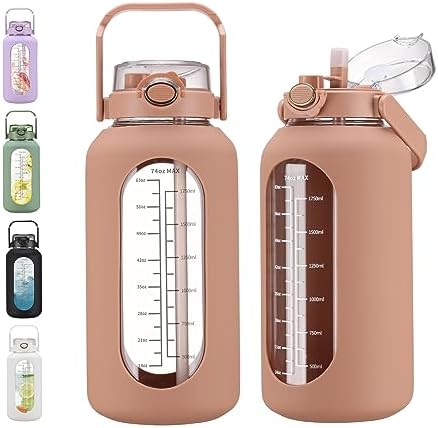
In addition to nutrient-dense foods, adequate hydration plays a critical role in sustaining milk supply. Nursing moms should aim to drink plenty of fluids throughout the day. Water is the best option, but incorporating hydrating beverages like herbal teas or smoothies can also be beneficial. Keeping a water bottle accessible can serve as a reminder to drink regularly, particularly during busy moments when hydration may be overlooked.
Furthermore, self-care practices are vital for new mothers who often find their own needs on the back burner. Taking time for relaxation, getting adequate sleep, and engaging in light physical activity can greatly contribute to a breastfeeding mother’s well-being. Activities such as gentle yoga or a short walk can help reduce stress and enhance energy levels. Additionally, finding moments for personal time, whether through reading, meditation, or simply enjoying a quiet cup of tea, can significantly improve mental health support. Prioritizing health, nutrition, and self-care allows nursing mothers to sustain their breastfeeding journey effectively, even amidst a busy lifestyle.
Understanding Milk Supply: Tips to Maintain Production
For many busy moms, ensuring a steady milk supply can be a challenging aspect of breastfeeding. Various factors contribute to lactation, and understanding these can empower mothers to maintain adequate milk production even amidst their numerous responsibilities. The primary method for stimulating milk production is frequent breastfeeding or pumping, which signals the body to produce more milk. It is advisable to breastfeed or pump at regular intervals, ideally every two to three hours, to establish and sustain a healthy supply.
In addition to consistent nursing, utilizing proper pumping techniques can also significantly impact milk output. Always ensure that your breast pump is set to a comfortable level that mimics a baby’s natural sucking pattern. Consider double pumping, which can be more efficient and stimulate faster milk flow. It is essential to establish a routine that accommodates your busy schedule while prioritizing these pumping sessions to avoid long gaps that could diminish supply.
Nutritional support plays a crucial role in maintaining adequate milk production. A balanced diet rich in whole grains, fruits, vegetables, and lean proteins provides the necessary nutrients and energy needed for lactation. Staying well-hydrated is equally important; mothers should aim to drink plenty of water throughout the day. Some mothers find that incorporating lactation-boosting foods such as oats, barley, and fenugreek can help enhance their milk supply.
Finally, while stress and fatigue are common challenges for busy moms, finding ways to manage stress effectively can positively influence milk production. Engaging in relaxation techniques or seeking support from family members can help alleviate some of these pressures, allowing mothers to focus on their breastfeeding journey with more confidence.
Exploring Alternatives: Combination Feeding Options
For busy mothers, navigating the world of feeding can often present challenges. Combination feeding, which involves both breastfeeding and formula feeding, offers a flexible approach that can accommodate a mother’s hectic schedule while still supporting the nutritional needs of the infant. This method allows mothers to enjoy the benefits of breastfeeding, such as bonding and immunological support, while still gaining the flexibility that formula feeding provides.
To transition into combination feeding, it is important to establish a solid breastfeeding routine first. Ideally, mothers should focus on breastfeeding exclusively for the initial few weeks post-delivery. This allows the baby to latch on effectively, promotes milk supply, and strengthens the nursing bond. Once breastfeeding is well-established—typically around six weeks—mothers can start to introduce formula gradually. It is recommended to offer a bottle containing formula after a breastfeeding session, making sure the baby is comfortable with both feeding methods.
Additionally, timing and choice of formula are crucial. Choose a formula that closely resembles breast milk, as this can encourage the baby to accept both options more readily. Observe the baby’s reactions and be patient, as some infants may require time to adapt to the different feeding formats. Balancing the number of breastfeedings with formula feedings is also a key consideration; gradually increase the formula feedings according to the mother’s schedule and milk production.
Ultimately, combination feeding can effectively meet the complexities of modern motherhood while ensuring that both the mother’s and baby’s needs are adequately addressed. This feeding option not only provides mothers with the flexibility required in their busy lives but also maintains the nourishing aspects of breastfeeding.
As an Amazon Associate, I earn from qualifying purchases.