Understanding the Basics of Color Coordination
When it comes to selecting the right handbag to complement your outfit, an understanding of color coordination is essential. Central to this concept is the color wheel, which serves as a visual guide for identifying relationships between different colors. Various theories can be employed to achieve a harmonious look when pairing your handbag with your attire.
One foundational concept is that of complementary colors. These are colors that are located opposite each other on the color wheel, such as blue and orange or red and green. Utilizing complementary colors can create a striking contrast and a vibrant appearance, making your handbag a focal point of your outfit.
Alternatively, you might consider using analogous colors that sit beside each other on the color wheel, like blue, blue-green, and green. This approach is often more subdued and offers a sense of balance and cohesion. It can be particularly effective when your outfit incorporates different shades, allowing your handbag to blend seamlessly rather than stand out in stark contrast.
Furthermore, it is imperative to consider the overall color palette of your outfit. Is your outfit monochromatic, featuring varying shades of a single color? In this case, choosing a handbag in a darker or lighter tone can add depth without disrupting the harmony. On the other hand, if your outfit showcases bright, bold colors, opt for a handbag in a neutral hue to balance the visual complexity.
By understanding these basic principles of color coordination, you can confidently choose a handbag that either complements or contrasts with your outfit, enhancing your overall style in a thoughtful and intentional manner.


Selecting the Right Handbag Style for Your Outfit
Choosing the right handbag style is a crucial aspect of curating a well-coordinated outfit. Different handbag styles serve various purposes and complement distinct fashion choices. Understanding how to align your bag with your attire can significantly enhance your overall aesthetic, ensuring you make a polished impression in any setting.
First, let us consider the clutch. This compact handbag is ideal for evening wear and formal occasions. A stylish clutch pairs beautifully with an evening gown or a sophisticated cocktail dress, embodying elegance while keeping the look refined. When selecting a clutch, consider materials and embellishments that resonate with your outfit’s color palette and style elements.
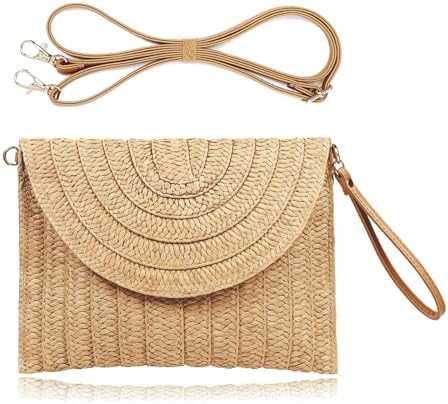
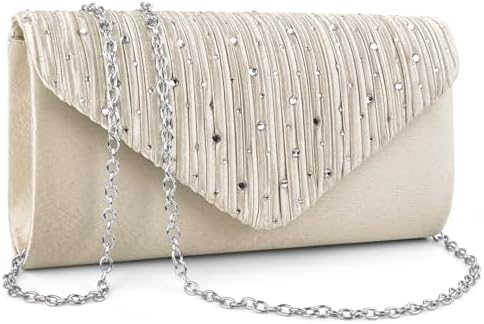

Next, we have totes, which offer ample space and practicality. Totes are excellent for casual wear, integrating seamlessly with outfits like jeans and a stylish top. They can also be used for business attire when crafted from high-quality materials such as leather. When selecting a tote, ensure that its design aligns with the professionalism of your outfit. A structured tote in a neutral color like black or navy can help maintain an air of sophistication during work hours.


Crossbody bags present yet another versatile option, serving well in both casual and semi-casual settings. Their hands-free appeal makes them perfect for daily errands or social outings, complementing a myriad of clothing styles from sundresses to casual trousers. Consider intricate details, such as chain straps or unique textures, to add an alluring touch to your outfit.

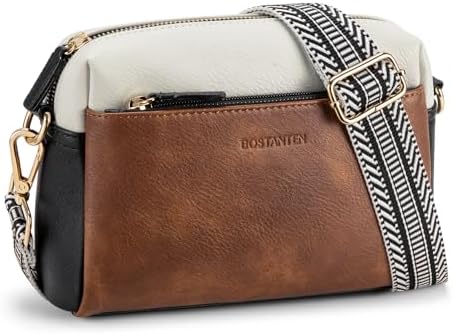

Ultimately, the key to selecting the right handbag is style coordination. Ensure that every element of your look, from footwear to jewelry, aligns with your handbag choice. This holistic approach to fashion ensures that your handbag not only serves a functional role but also enhances your appearance, contributing to a cohesive and stylish outfit.
Accessorizing: More Than Just Handbags
When it comes to curating a stylish outfit, the handbag is just one piece of the puzzle. Accessorizing involves a thoughtful combination of various elements—jewelry, scarves, and shoes—all of which contribute significantly to the overall aesthetic. Each accessory serves as an opportunity to enhance your outfit and create a more polished look.
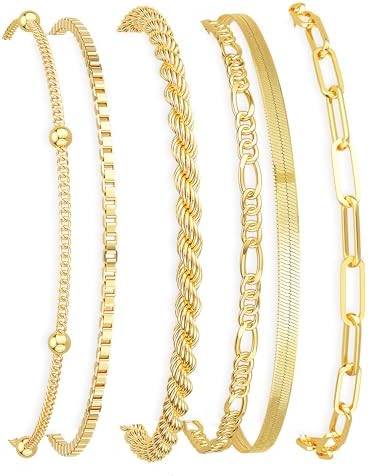
Jewelry is one of the simplest ways to add sophistication and charm to your ensemble. Selecting the right pieces can draw attention to your handbag while also complementing its style and color. For instance, if you have chosen a minimalist handbag, simple gold or silver hoops can maintain a refined balance. In contrast, if your handbag features bold patterns or bright colors, opting for understated jewelry can prevent visual overload.


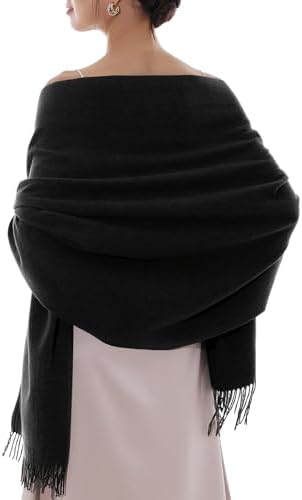
Similarly, scarves can play a dual role in accessorizing. A well-chosen scarf can add warmth and texture, making it an ideal accessory during the cooler months. Moreover, they can be tied to the handle of your handbag, creating a charming and cohesive look. When selecting a scarf, consider the colors and materials; a silk scarf may elevate a leather handbag, while a knitted scarf may suit a more casual, fabric bag.


Shoes are another integral component that requires careful consideration. The color, style, and material of your footwear should align harmoniously with your handbag. For example, pairing leather boots with a matching leather tote can create an elegant yet coordinated outfit. If you’re sporting a more casual look with a fabric crossbody bag, complementing it with chic flats or low-heeled shoes can enhance the casual vibe while maintaining coherence.



In summary, while handbags hold a significant place in the realm of fashion, they are best complemented by a harmonious selection of jewelry, scarves, and shoes. A holistic approach to accessorizing will ensure that all elements of your outfit work together to create a stunning visual impact.
The Role of Fabric and Material in Outfit Matching
When it comes to coordinating a handbag with an outfit, understanding the significance of fabrics and materials is vital. Handbags can be made from a variety of materials such as leather, fabric, and canvas, each bringing distinct qualities and aesthetics. Leather handbags, known for their durability and sophistication, are ideal for formal occasions or office settings. The rich texture of leather often pairs beautifully with tailored outfits, such as a blazer and trousers, enhancing the overall elegance of the look.
Conversely, fabric handbags, which can range from cotton to silk, offer more versatility and playful styles, making them suitable for casual outings. When selecting a handbag crafted from fabric, it is crucial to consider the texture relative to the outfit. A soft cotton handbag can complement breezy summer dresses, while a silk handbag may be better suited for evening outings paired with flowy gowns. The key is to harmonize the textures to achieve a cohesive appearance.
Canvas handbags, with their laid-back vibe, are excellent for day-to-day wear, especially when styled with trendy athleisure or bohemian outfits. The simplicity and durability of canvas make them a favored choice for casual events, and they pair well with denim, providing a relaxed yet fashionable touch.
Seasonality also plays a pivotal role in material selection. In colder months, luxurious materials like velvet or wool may dominate, encouraging the choice of handbags in complementary textures. For spring and summer, lighter fabrics and colors are preferred, promoting the selection of handbags in breathable materials. By adhering to the characteristics of both the outfit and the handbag’s fabric, one can achieve a polished and sophisticated overall appearance.
Seasonal Handbag Matching Tips
Choosing the right handbag to complement your outfit involves not only personal style but also considerations of the seasons. Handbag choices can significantly influence the overall look and feel of your attire, making seasonal adaptation essential for fashion harmony.
During the spring and summer months, lighter materials such as canvas or straw are often more appropriate. These fabrics not only reflect the warmth of the season but also add a casual, breezy essence to an outfit. Opting for bold, vibrant colors, such as pastels or lively prints, aligns perfectly with the lively atmosphere of these warmer months. A bright tote or a floral-patterned crossbody bag can enhance a sundress or a light linen ensemble, providing a cheerful and fresh appearance.
Conversely, as the weather transitions into fall and winter, the focus shifts to richer colors and more substantial materials. Leather handbags, in shades like burgundy, navy, or forest green, can add sophistication and warmth to a winter outfit. These tones not only reflect the natural changes in the environment but also complement the darker palettes often seen in winter fashion. Structured bags or elegant clutches can serve as perfect accessories for evening wear during this time.
Moreover, pay attention to textures as seasons shift. Fall and winter styles often embrace chunky textures and embellishments, whereas spring and summer focus on smoother finishes that evoke a sense of lightness. The right handbag can seamlessly integrate into your seasonal wardrobe, underscoring not just style but also the theme of the season.
Balancing Size and Proportion with Your Outfit
When it comes to selecting the right handbag, size and proportion play a critical role in enhancing one’s overall appearance. The handbag should seamlessly complement the outfit and the wearer’s body shape. For instance, individuals with petite frames may find that oversized bags overshadow their figures, leading to an unbalanced look. In such cases, smaller handbags can create a more harmonious proportion, adding elegance and preventing the outfit from appearing overwhelmed.
Conversely, individuals with taller or more robust physiques may find oversized handbags more suitable. These larger bags can provide a visual balance that mirrors their body structure, enhancing the overall aesthetic. However, it is important to ensure that the scale of the bag aligns with the outfit chosen. When dealing with voluminous clothing styles, such as loose dresses or wide-leg pants, a smaller handbag can create a striking contrast that keeps the look refined and sophisticated.
Furthermore, the proportion of the handbag must also consider the outfit’s elements. For example, paired with a structured, fitted outfit, a structured handbag can amplify the sleek appearance, while a more casual or relaxed outfit might benefit from a softer, more fluid bag style. Additionally, the color and texture of the handbag should align with the overall outfit composition to maintain coherence and elegance. In summary, while making choices about handbag size and proportion, one should always consider how these factors contribute to an overall balanced and flattering ensemble, respecting both body shape and outfit scale.
The Importance of Occasion in Handbag Selection
When choosing a handbag, one of the most significant factors to consider is the occasion for which the bag will be used. Different events call for different levels of formality, and it is essential to match your handbag accordingly. Overlooking this aspect could lead to a mismatched outfit, undermining your overall style and confidence.
For formal occasions such as weddings, galas, or corporate functions, opt for handbags that convey elegance and sophistication. Clutches or small structured handbags in luxurious materials such as leather or satin often work best. For instance, a classic black clutch can complement an evening gown, while a metallic handbag might add a touch of glam to a cocktail dress. Choosing a handbag with minimal embellishments ensures that the focus remains on your attire.
In contrast, casual occasions allow for more freedom in handbag selection. Events such as brunch with friends or a day out shopping require practicality without sacrificing style. Canvas totes or crossbody bags are popular choices, as they provide ample space while maintaining a laid-back aesthetic. A brightly colored handbag can add a fun pop to a simple outfit, making it ideal for casual outings.
Professional settings also dictate specific handbag requirements. A work environment typically necessitates a more structured and polished bag. Consider opting for a sophisticated leather satchel or a classic briefcase. These styles not only convey professionalism but also provide practical storage for documents and essentials. Opting for neutral tones like navy or taupe can enhance the overall professionalism of your look while still being stylish.
Ultimately, selecting the right handbag based on the occasion is essential for creating a cohesive look. The appropriate handbag enriches your ensemble, reinforces the desired formality, and reflects your personal style seamlessly.
Creating Signature Looks with Handbags
Developing a personal style is essential for defining one’s aesthetic and creating a lasting impression. A key component of this personal style is the handbag. By selecting a few favorite handbags that resonate with one’s overall look, individuals can craft signature outfits that stand out and showcase their personality. These handbags become iconic pieces that can be seamlessly integrated into various ensembles, enhancing the outfit while remaining functional.
Consistency in handbag selection not only helps in building a recognizable personal brand but also simplifies the process of getting dressed. When individuals cultivate a style that includes particular colors, textures, or patterns in their handbags, they can easily mix and match with different clothing items. For instance, a classic black leather handbag can transition effortlessly from a business meeting to an evening outing. This versatility emphasizes the importance of choosing handbags that reflect both personal tastes and the intended atmosphere of each occasion.
Moreover, signature looks allow individuals to express their uniqueness. Creating outfits around a particular handbag encourages creativity in layering, accessorizing, and coordinating colors. As one becomes more attuned to their preferences, they will discover combinations that not only look good but also feel authentic. This alignment between handbag choice and overall outfit creates a cohesive appearance that others can recognize and associate with the wearer.
In conclusion, developing a signature style with the help of carefully chosen handbags significantly contributes to one’s personal brand. By consistently incorporating favorite pieces into daily outfits, individuals can achieve a distinctive and polished look that resonates with their identity, making a lasting impression on their audience.
Common Mistakes to Avoid When Pairing Handbags with Outfits
When it comes to fashion, selecting the right handbag to complement your outfit is crucial. However, many individuals fall into common pitfalls that can detract from their overall appearance. One of the most prevalent mistakes is clashing colors. A handbag that does not harmonize with the outfit can disrupt the visual flow, leading to a disjointed look. It is essential to understand the color wheel and consider complementary hues that enhance each other rather than clash.
Additionally, ignoring the context or occasion can lead to inappropriate handbag choices. For instance, carrying a large tote to a formal event or a delicate clutch for a casual outing may not convey the intended message. It’s vital to tailor your handbag selection to the setting, ensuring it aligns with the formality of the event while also serving practical purposes.
Moreover, the handbag’s size in relation to your outfit can significantly impact your overall visual appeal. A particularly oversized bag can overwhelm a petite frame, while an excessively small clutch may seem lost with a voluminous ensemble. It is essential to find a balance; the handbag should enhance your outfit without dominating it.
Another common mistake involves neglecting the scale of accessories. Pairing a detailed, embellished handbag with equally intricate clothing can create clutter. Instead, choose a bag that adds a touch of contrast or simplicity to a busy outfit for a refined effect. Lastly, avoiding trendy, statement bags can also be rewarding; prioritizing classic pieces often results in versatility across various looks.
As an Amazon Associate, I earn from qualifying purchases.