Introduction to AI in Pet Care
The integration of artificial intelligence (AI) into pet care represents a significant advancement in the realm of animal husbandry and companionship. As technology evolves, pet owners are increasingly turning to innovative solutions that enhance the well-being of their pets. Artificial intelligence in pet care encompasses a variety of applications, from health monitoring to behavioral analysis, each contributing to a more informed and efficient approach to pet ownership.
AI technologies, such as machine learning and data analytics, are being utilized to improve pet care in numerous ways. For example, intelligent pet feeders can assess a pet’s dietary needs by analyzing their activity levels and health status, ensuring that the animal receives the right amount of food and nutrients. Wearable devices equipped with AI capabilities enable pet owners to monitor their pet’s vitals and movements in real time, offering insights that can result in proactive healthcare interventions.
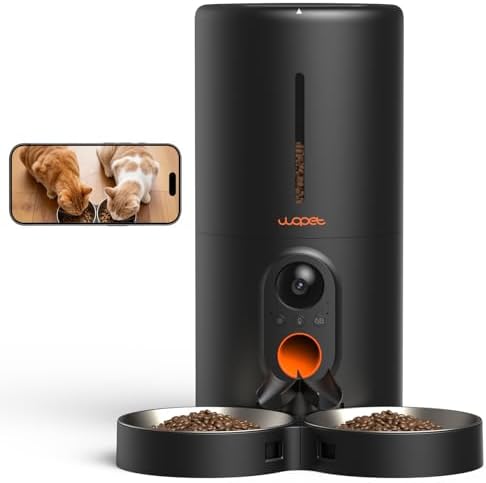

Furthermore, AI-driven platforms facilitate better communication between pet owners and veterinary professionals. These platforms can analyze data from various sources, allowing veterinarians to diagnose conditions more effectively and recommend appropriate treatments. Such advancements not only improve the quality of life for pets but also empower pet owners by providing them with essential information regarding their pet’s health and behavior.
The role of AI in pet care is poised to grow, as developers continue to innovate and create new tools aimed at simplifying responsibilities for pet owners and enhancing the overall pet ownership experience. As we delve deeper into the specific technologies and trends, it becomes evident that AI is not merely a passing trend, but rather a transformative force in the world of pet care.
Smart Collars and Wearables
The advent of artificial intelligence (AI) in the pet care industry has led to the remarkable evolution of smart collars and wearables. These innovative devices are designed to enhance the well-being and safety of pets, offering pet owners an unprecedented level of monitoring and engagement. Smart collars, for instance, are equipped with advanced sensors that can track various health metrics such as heart rate, body temperature, and even hydration levels. Such data is invaluable for pet owners who wish to maintain their pets’ health and identify any potential issues at an early stage.


In addition to health monitoring, these wearables provide insights into activity levels, allowing owners to ensure their pets remain active and engaged. Many models feature GPS tracking capabilities, which add another layer of safety. With a simple app on their smartphones, pet owners can track their pets’ locations in real time, providing peace of mind when pets are exploring or when they are lost. This integration of AI technology not only makes pet care more efficient but also fosters a deeper bond between pets and their owners.
As AI-driven smart collars and wearables continue to gain popularity, manufacturers are focusing on enhancing user experience and functionality. Features such as notifications for unusual behavior or reminders for veterinary appointments are emerging, making these devices integral to modern pet ownership. Furthermore, they can encourage responsible behavior, as owners can receive actionable insights to improve their pets’ lifestyle. Overall, the rise of smart collars and wearables signifies a transformative shift in how we care for our pets, paving the way for a future where technology plays a key role in promoting animal health and safety.
AI-Driven Pet Monitoring Systems
In recent years, the integration of artificial intelligence (AI) in pet care has revolutionized how pet owners monitor and interact with their furry companions. AI-driven pet monitoring systems have emerged as a key trend, offering innovative solutions that empower pet owners with real-time insights into their pet’s behavior. These systems typically consist of advanced cameras and sensors strategically placed in the home, enabling continuous surveillance and interaction.
One of the standout features of AI-driven pet monitoring systems is live streaming capabilities. Pet owners can access real-time video feeds from their devices, allowing them to observe their pets’ activities even when they are away. This capability not only satisfies owners’ desires to stay connected with their pets but also helps in identifying changes in behavior that may indicate health issues or distress.
Furthermore, many of these systems are equipped with two-way audio functionality. This allows owners to communicate with their pets, providing comfort and reassurance. The ability to speak to their pets may help alleviate feelings of loneliness, particularly when owners are absent for extended periods. Additionally, two-way audio can be beneficial for training purposes, enabling owners to reinforce positive behaviors while monitoring their pets’ responses closely.
AI-driven pet monitoring systems also utilize intelligent algorithms to send alerts for unusual behavior. For example, if a pet exhibits signs of distress or abnormal activity, such as excessive barking or restlessness, the system can notify the owner via push notifications. These alerts empower pet owners to respond promptly, thus enhancing their ability to address potential issues in real-time, ensuring their pets’ well-being.
The combination of these advanced features illustrates how AI technology is enhancing pet care, making it easier for owners to remain engaged and informed about their pets’ health and happiness.
Healthcare Innovations Powered by AI
Artificial Intelligence (AI) is substantially influencing veterinary medicine, reshaping the way healthcare is administered to pets. One notable development is the implementation of advanced diagnostic tools that leverage AI algorithms for precise and timely disease identification. By analyzing vast datasets, including medical history and clinical signs, these tools can assist veterinarians in diagnosing conditions that may have previously gone unnoticed. This proactive approach enables the early detection of health issues, which can be critical in ensuring better outcomes for pets.
Furthermore, AI-driven predictive analytics are revolutionizing how veterinarians understand and manage pet health. These analytics utilize historical data and real-time monitoring systems to forecast potential health risks based on individual animal profiles. As a result, veterinarians are equipped with actionable insights to tailor preventative care strategies and negotiate treatment plans that align closely with the unique needs of each pet. Such personalized approaches not only enhance treatment efficacy but also improve the quality of life for pets and the peace of mind for their owners.
Additionally, automation powered by AI facilitates improved workflow within veterinary practices. From streamlining appointment scheduling to optimizing inventory management, these innovations contribute to more efficient practice operations, allowing veterinary professionals to dedicate more time to patient care. Innovations such as telemedicine and AI-assisted remote health monitoring further extend the reach of veterinary services, making it easier for pet owners to access timely healthcare without the stress of in-person visits.
Overall, the integration of AI in veterinary medicine is setting a new standard for pet healthcare, providing tools that enhance diagnostics, personalize treatment plans, and optimize practice management. As these technologies continue to evolve, the potential for AI to transform pet care through increased precision and proactive health management is immense.
Personalized Nutrition and Feeding Solutions
The integration of artificial intelligence into the realm of pet care is revolutionizing how pet owners approach their animals’ nutritional needs. Technologies that harness AI are increasingly capable of developing personalized diets tailored to the unique attributes of each pet, such as breed, age, weight, and specific health concerns. These AI-driven solutions not only optimize dietary plans but also ensure a pet’s nutrition aligns with their individual requirements.
One prominent manifestation of this trend is the emergence of automated feeding devices that utilize AI to dispense food in calibrated amounts suitable for different pets. These devices are designed to monitor a pet’s eating habits and adjust portion sizes based on their dietary needs. For instance, a dog recovering from surgery may require smaller, more frequent meals, while an active cat may benefit from a high-energy diet with larger portions. By continuously analyzing data related to a pet’s consumption and health indicators, these smart feeders can significantly contribute to a pet’s overall well-being.


Furthermore, AI technologies can analyze a pet’s biological data through wearables, which track metrics such as weight fluctuations, activity levels, and even feeding times. This information allows AI applications to recommend changes in diet or feeding schedules that support optimal health. For example, if a pet is found to be overweight, the system can suggest a lower-calorie diet and adjust the automatic feedings accordingly. This bespoke approach reduces the risk of severe health conditions associated with poor nutrition, including obesity and diabetes.
Incorporating personalized nutrition and automated feeding solutions into pet care not only enhances the quality of life for pets but also simplifies the responsibilities of pet owners, making it easier to maintain a balanced diet tailored to each pet’s individual needs.
AI in Training and Behavior Management
The introduction of artificial intelligence (AI) in pet training and behavior management has ushered in a new age of pet care, offering innovative solutions that are as effective as they are convenient. AI-driven applications and devices harness advanced algorithms to analyze pet behavior, providing customized training regimens that cater specifically to individual needs. This tailored approach aids in managing and correcting undesirable behaviors in pets, allowing for more effective and efficient training outcomes.
One prominent application of AI in pet training is the use of smart collars. These collars often incorporate sensors that monitor pets’ activity levels, barking frequency, and even heart rates. By collecting and analyzing this data, trainers and pet owners can identify patterns that may indicate specific behavioral issues. For example, a dog that barks excessively may benefit from a focused training program designed to reduce this behavior, which can be developed based on insights derived from the AI’s analysis.


Additionally, there are various mobile applications geared towards pet training that utilize AI capabilities to offer real-time feedback. These apps can provide step-by-step guidance in teaching commands, reward good behavior, and even alert owners to potential behavioral problems. Through gamified training experiences, owners can maximize engagement with their pets and promote a more responsive learning environment.
The effectiveness of these AI tools in training demonstrates a significant advancement over traditional training methods. Not only do they help in addressing common issues like house training and aggression, but they also foster a deeper understanding of the pet’s needs and personality. Ultimately, AI’s integration into training and behavior management enhances the communication between pets and their owners, promoting a more harmonious relationship.
Emerging Trends in Pet Tech
The pet technology landscape is evolving rapidly, significantly influenced by advancements in artificial intelligence (AI). As pet owners seek more efficient and innovative ways to care for their furry companions, a plethora of emerging trends is poised to reshape pet care practices. One remarkable advancement on the horizon is the development of advanced pet robotics. These robots, designed to assist pet owners in various tasks, promise to revolutionize everyday pet care. For instance, robotic companions can help with feeding schedules, offer interactive play, and monitor pets’ health through integrated AI systems.
Another intriguing trend is the emergence of AI-enhanced pet services. Pet wellness apps are now equipped with AI capabilities that enable them to provide personalized health recommendations based on data collected from wearables and health monitors. Such applications can help pet owners track their pets’ dietary needs, activity levels, and even alert them to potential health issues based on behavioral patterns. This predictive analysis fosters proactive care, ensuring pets remain healthier for longer periods.
The integration of pet tech solutions with smart home systems is also gaining traction. With the proliferation of devices, pet owners can now manage their pets’ environments remotely. Smart feeders, automated toys, and pet cameras that connect to home management systems allow owners to monitor and engage with their pets regardless of their location. Such technology not only enhances convenience for pet owners but also contributes to the pets’ emotional well-being by encouraging interaction and keeping them engaged.
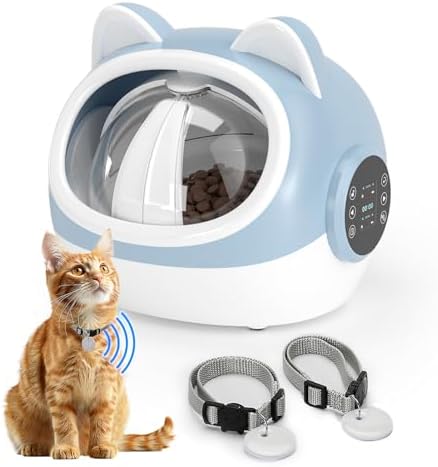
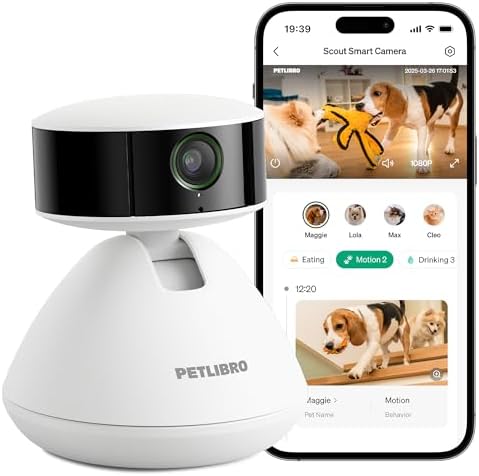

To summarize, the future of pet tech is rich with potential, driven by advances in robotics, AI, and smart home technology. As these innovations unfold, pet care is set to become increasingly efficient, personalized, and integrated into our daily lives, thereby ensuring a better quality of life for our pets.
Impact of AI on Pet Owners and Industry
The integration of artificial intelligence (AI) into pet care has ushered in significant advancements that positively impact both pet owners and the broader industry. AI-powered technologies, such as health monitoring devices, smart feeders, and automated grooming solutions, are designed to enhance the quality of care pets receive, making pet ownership more convenient and informed.
For pet owners, the introduction of AI can mitigate the stress often associated with pet care. For example, smart collars equipped with GPS and activity tracking allow owners to monitor their pets’ well-being in real-time, providing peace of mind. Additionally, AI-driven apps can analyze a pet’s behavior and health data, offering tailored recommendations for dietary adjustments or proactive healthcare measures. Such products not only empower owners with insights into their pet’s health but also foster a deeper understanding of their day-to-day needs.

![Dogtra 280X E-Collar with Remote [New Edition] 10 lbs+, 1/2 Mile ...](https://m.media-amazon.com/images/I/41fNBmztGOL._AC_.jpg)
On the industry side, businesses are increasingly adapting to the innovations brought about by AI technology. Companies specializing in pet care are leveraging AI to streamline operations, enhance customer engagement, and personalize services. This shift not only improves efficiency but also allows for innovative marketing strategies that speak directly to consumer preferences. Furthermore, organizations are experimenting with AI algorithms to develop predictive analytics, helping anticipate pet health issues before they arise.
However, despite the numerous benefits that AI technologies provide, challenges remain. Pet owners may face difficulties in adapting to these advanced tools, particularly when dealing with tech literacy and the potential costs associated with high-tech pet care products. Additionally, businesses must navigate the ethical implications regarding data privacy and the potential over-reliance on technology. As the integration of AI continues to evolve, striking a balance between technological advancements and human care remains paramount for both pet owners and industry stakeholders.
Conclusion: The Future of Pet Care with AI
The integration of artificial intelligence into pet care represents a significant leap forward in how we care for our beloved companions. As technology evolves, AI is expected to play an increasingly pivotal role in enhancing the quality of life for pets and improving the overall experience for pet owners. From smart feeding systems that monitor dietary needs to health management tools that provide real-time data on pet conditions, AI-driven solutions are revolutionizing the way we interact with our pets.
Moreover, the growing capabilities of AI are opening up new avenues for personalized pet care. With machine learning algorithms capable of analyzing a pet’s behavior and health patterns, owners can receive tailored recommendations that match their pets’ unique needs. This individualization not only fosters a deeper bond between pets and their owners but also ensures that pets receive timely interventions that can prevent serious health issues. The future of pet care is being shaped by AI, promising innovative solutions that enhance convenience, peace of mind, and well-being.
As advancements continue, the potential for AI technology in the pet care sector is limitless. Research and development are ongoing, with new applications continually emerging. Whether it’s through monitoring and predictive analysis or via advancements in telehealth services for pets, AI is set to transform the industry profoundly. The future of pet care, powered by AI, will redefine how we approach health, safety, and happiness for our furry friends, ultimately bringing about a more enriched pet ownership experience.
As an Amazon Associate, I earn from qualifying purchases.