Why Air Quality Matters for Babies
Ensuring optimal air quality within a baby’s environment is crucial for their health and development. Infants are particularly vulnerable to indoor air pollutants due to their developing respiratory systems and higher rates of breathing relative to their body weight. Common pollutants such as dust, pet dander, mold, and volatile organic compounds (VOCs) can significantly impact infants’ health, leading to a variety of health issues.
Dust is often collected in homes and can contain a mixture of various allergens, including dead skin cells, pollen, and particles from clothing and furniture. For babies who spend a lot of time on the floor or in close proximity to surfaces, exposure to dust can lead to respiratory problems and trigger allergic reactions.
Pet dander, which is made up of microscopic flakes from skin, fur, and saliva of pets, poses a similar risk. Many babies develop allergies to pet dander, which can result in asthma symptoms and other serious complications. This is particularly concerning for infants who have a family history of asthma or allergies.
Mold is another significant indoor pollutant that thrives in damp environments. Exposure to mold spores can lead to respiratory infections, chronic coughs, and even more severe conditions like pneumonia. Infants are more susceptible to the harmful effects of mold due to their immature immune systems, highlighting the necessity of mold prevention in living spaces.
Furthermore, volatile organic compounds (VOCs) can be emitted from common household products like paints, cleaning supplies, and furnishings. Prolonged exposure to high levels of VOCs can lead to developmental issues and negatively affect neurological health in infants. Thus, maintaining good indoor air quality is paramount to safeguarding infants from such pollutants, ensuring a healthier living environment that supports their growth and development.
How Baby Air Purifiers Work
Baby air purifiers are essential devices designed to enhance indoor air quality by removing contaminants that can adversely affect infants and young children. These purifiers employ various technologies to ensure the air is clean and safe for the delicate respiratory systems of babies. The primary components within these devices include HEPA filters, activated carbon filters, and often, UV light technology.

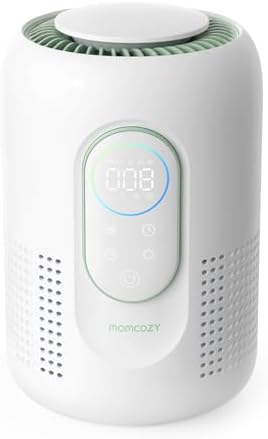
The HEPA filter, or High-Efficiency Particulate Air filter, is a crucial feature in baby air purifiers. It is capable of trapping up to 99.97% of particles as small as 0.3 microns, which includes dust, pollen, pet dander, and mold spores. This ensures that the air circulated within the nursery is free from many common allergens, providing a healthier environment for the baby.
Activated carbon filters complement HEPA filters by adsorbing gases and odors, including volatile organic compounds (VOCs) that may emanate from paint, cleaning supplies, or other household products. This dual filtration system addresses both particulate matter and gaseous pollutants, contributing to a more comprehensive purification process.
Some baby air purifiers also incorporate UV light technology, which works to eliminate bacteria, viruses, and other microorganisms. By using ultraviolet light, these devices can further sanitize the air, reducing the risk of airborne infections. UV light does not play a role in filtering particulate matter but adds an important layer of protection, especially in environments where hygiene is paramount.
Overall, the combination of HEPA filters, activated carbon, and UV technology positions baby air purifiers as an effective solution to create a safer indoor atmosphere conducive to the health and well-being of infants. Understanding the workings of these technologies allows parents to make informed decisions when selecting the appropriate model for their home.
Key Features of Baby Air Purifiers
When selecting a baby air purifier, there are several critical features that should be carefully considered to ensure a safe and healthy environment for your little one. One of the primary factors is the type of filter used. HEPA filters are widely recommended as they can capture up to 99.97% of airborne particles, including allergens, dust, and pet dander. Additionally, some models may include activated carbon filters which help to eliminate odors and volatile organic compounds, enhancing air quality even further.
The noise level of the air purifier is another important consideration. Babies can be particularly sensitive to sound, so choosing a model that operates quietly is essential. Look for purifiers with a “silent” or “sleep” setting that minimizes audible noise, allowing your baby to rest undisturbed. Moreover, the purification capacity, measured in square footage, should align with the size of the room where the air purifier will be used. This ensures effective purification of the air in spaces large enough to accommodate nursery settings.


Energy efficiency is also worth noting, as parents may be concerned about the cost of running multiple devices over time. Models with Energy Star certification indicate higher efficiency levels, leading to lower energy bills while preserving environmental sustainability. Moreover, ease of use is a crucial feature, particularly for busy parents. User-friendly controls, smart connectivity options, and filter replacement indicators can greatly enhance the overall user experience.
Finally, safety features such as child locks should not be overlooked. Such features protect inquisitive little hands from accessing the controls and potentially causing harm. In summation, focusing on these key attributes – including filter type, noise level, purification capacity, energy efficiency, ease of use, and safety – will ensure that you choose an air purifier that meets the specific needs of your baby.
Setting Up a Baby Air Purifier
When it comes to ensuring a healthy environment for your baby, setting up an air purifier is an essential step towards maintaining optimal air quality in their nursery. To maximize efficiency, the placement of the air purifier is crucial. It is advisable to position the unit at least a few feet away from the crib or baby’s sleeping area. This not only helps to effectively circulate clean air, but also minimizes any potential noise that may disrupt their sleep. Ideally, the air purifier should be placed in a corner of the room, elevated on a sturdy surface to facilitate better air circulation.
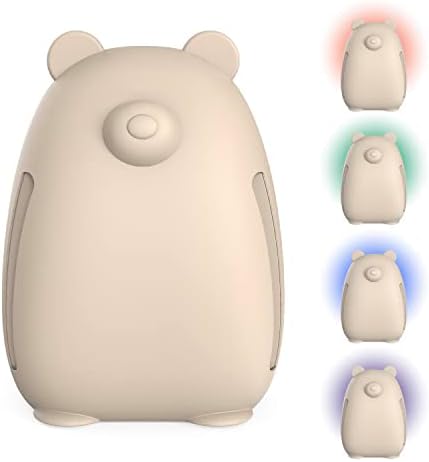
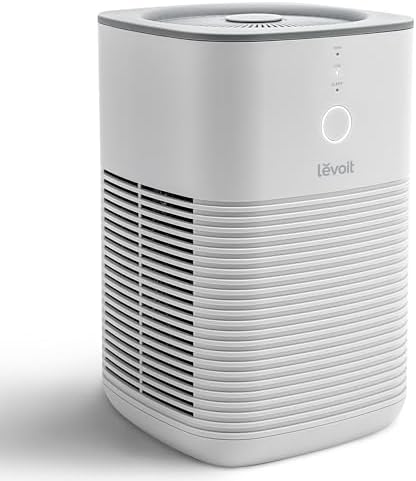
However, while location is important, routine maintenance cannot be overlooked. Regularly checking and replacing filters is critical to ensure the air purifier operates efficiently. Most air purifiers come with a designated schedule for filter replacement, often suggested every 6 to 12 months, depending on usage and air quality factors. Keep track of filter change milestones and make this part of your nursery routine to maintain effective air purification. In addition to filter maintenance, occasional cleaning of the unit’s components, such as pre-filters and fan grills, will also enhance its performance.
Furthermore, incorporating the air purifier into a broader air quality regimen is beneficial for your baby’s health. Use it in conjunction with other practices, such as regular dusting, vacuuming, and maintaining good humidity levels to ensure a cleaner environment. This holistic approach not only helps in reducing allergens but also promotes better sleep and overall wellbeing for your infant. By following these practical tips, you can ensure that your baby’s air purifier effectively contributes to a healthier living space.
Monitoring Air Quality in Your Home
Ensuring a healthy environment for your baby entails closely monitoring the air quality within your home. Indoor air quality can significantly impact health, particularly for vulnerable populations such as infants. Parents can utilize a variety of tools and methods to assess and manage the quality of air in their living spaces. One valuable resource is an air quality monitor, which can detect levels of pollutants such as particulate matter (PM), volatile organic compounds (VOCs), and other harmful allergens.
When selecting an air quality monitor, it’s crucial to choose a device that provides real-time data. This immediate feedback allows parents to adjust air purifiers or ventilation systems when pollutants reach concerning levels. Many modern air quality monitors not only measure environmental pollutants but also come with mobile app integration, enabling parents to track changes in air quality remotely. This technology empowers you to maintain an optimal environment for your baby by facilitating timely interventions.
Additionally, periodic air quality testing can provide further insights into the levels of pollutants in your home. Tests can identify specific contaminants that might not be detected by standard monitors, allowing for a more comprehensive understanding of the risks present in your indoor space. Furthermore, understanding common indoor pollutants—such as mold, dust, and pet dander—can help parents make informed decisions when it comes to cleaning and purifying their homes.
By actively monitoring air quality, parents can take the necessary steps to improve their home’s atmosphere, ensuring healthy air free from allergens and toxins. Increased awareness of environmental factors leads to informed decisions regarding air purification solutions, ultimately benefiting your baby’s health and overall well-being.
Benefits of Using a Baby Air Purifier
Utilizing a baby air purifier can significantly enhance the air quality in your child’s environment. One of the primary advantages is the reduction of allergens. In a recent study, it was found that air purifiers equipped with HEPA filters can trap microscopic allergens such as pollen, dust mites, and pet dander. For infants and young children, whose immune systems are still developing, reducing exposure to these allergens can alleviate symptoms of allergies and asthma, promoting healthier breathing.
In addition to alleviating allergens, a good air purifier can also improve sleep quality for both babies and parents. Babies are often sensitive to fluctuations in their environment, and clean air free from pollutants may aid in achieving a more restful sleep. Research indicates that cleaner air can lead to fewer nighttime awakenings, thus establishing a stronger sleep routine for babies. When infants sleep better, it not only enhances their mood but also supports their overall development.
Moreover, air purifiers can contribute to promoting general wellness by filtering out harmful pollutants and volatile organic compounds (VOCs) often emitted from household products. Continuous exposure to poor indoor air quality can lead to respiratory issues and other health concerns. Many air purifiers also employ technologies that can eliminate unpleasant odors, making for a more pleasant environment.
In real-life scenarios, parents who have installed baby air purifiers report noticeable improvements in their children’s health. From clearer skin to reduced respiratory infections, these devices serve a vital role in ensuring a safe and healthy formative environment. In essence, choosing a baby air purifier is a proactive step towards fostering not just immediate comfort, but long-term health benefits.
Common Misconceptions About Air Purifiers
When considering the purchase of a baby air purifier, various misconceptions often cloud decision-making. One common myth is that air purifiers are prohibitively expensive. While some high-end models can be costly, there are numerous budget-friendly options available that provide effective filtration without breaking the bank. Investing in an air purifier can ultimately lead to healthier air quality for your baby, making it a valuable addition to your home environment.
Another prevalent myth revolves around noise levels. Many potential buyers are concerned that air purifiers will disrupt their baby’s sleep with constant noise. However, modern air purifiers are designed with quieter functions and are often equipped with a “sleep mode,” making them suitable for use in nurseries and children’s rooms. These devices generally operate at a low decibel level, ensuring the air remains clean without causing disturbances.
Effectiveness is another area where misunderstandings stand. Some individuals believe that a well-ventilated space renders an air purifier unnecessary. While good ventilation is crucial for air quality, it may not fully eliminate pollutants such as allergens, dust, and pet dander, which can still accumulate indoors. Air purifiers work to complement existing ventilation systems by providing an additional layer of protection against airborne irritants that might affect your baby’s health.
Education on these common misconceptions is vital for parents considering a baby air purifier. By understanding the actual benefits and limitations of these devices, caregivers can make informed choices that prioritize their child’s well-being. Ensuring clean air quality through the right air purifier can significantly contribute to a healthier living environment, dispelling these myths along the way.
Conclusion: Making the Best Choice for Your Baby
In considering the well-being of infants, ensuring high-quality air in their environment is paramount. The significance of air purifiers in maintaining optimal air purity cannot be overemphasized, especially given the susceptibility of babies to airborne pollutants. Factors such as allergens, dust, and other particulate matter can pose serious health risks to young children. Hence, investing in an effective baby air purifier is a prudent decision for parents looking to create a safe and healthy living space.
When choosing the right baby air purifier, it is essential to evaluate the specific needs of your household. Different models come equipped with various features, including HEPA filters, activated carbon filters, and even UV light technology. Understanding these features will help in selecting an air purifier that is capable of efficiently removing harmful particles from the air while also being suitable for a child’s environment. Additionally, it is important to consider the size of the space you intend to use the purifier in, as well as its noise levels, to avoid disturbing your baby’s sleep.
Moreover, reviewing consumer feedback and product ratings can provide valuable insights into the efficiency and reliability of different air purifiers. While price is a significant factor, focusing solely on cost may result in compromising on quality. Therefore, it is wise to weigh all these considerations in conjunction with your budget, ensuring that you choose a product that delivers both performance and value.
Ultimately, the decision to purchase a baby air purifier should be made thoughtfully, reflecting a commitment to safeguarding your child’s health. By conducting thorough research and evaluating your specific circumstances, you can confidently select the best air purifier that caters not only to your child’s welfare but also promotes a healthier home environment.
As an Amazon Associate, I earn from qualifying purchases.