Introduction: Why Headlamp Flashlights are Essential Tools for Mechanics and Electricians
In the world of mechanics and electricians, effective illumination is critical to performing tasks accurately and safely. Headlamp flashlights have become essential tools for professionals in these fields, providing a unique combination of practicality and convenience. These devices offer hands-free lighting solutions, helping technicians meet the demands of their work environments.

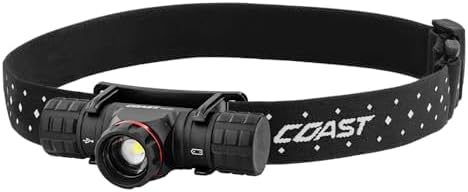
Mechanics often find themselves working in confined spaces under vehicles or in dimly lit garages, where having adequate lighting can be a challenge. Therefore, the use of a headlamp flashlight allows them to illuminate their workspace while keeping both hands free to manipulate tools or components. This not only enhances efficiency but also reduces the risk of accidents resulting from poor visibility.
Similarly, electricians frequently navigate tight spaces within walls, attics, and basements where traditional light sources may fall short. The versatility of headlamp flashlights enables electricians to maintain focus and tackle intricate electrical tasks without compromising safety or precision. The adjustable brightness settings commonly found in headlamp models allow professionals to customize their light output according to the specific needs of their task.
Moreover, headlamps are designed for maximum comfort and convenience. Their ergonomic designs ensure that they can be worn for extended periods without causing discomfort. This becomes increasingly important for professionals who may spend hours on a job site, as fatigue can lead to mistakes or injuries. By providing consistent and reliable illumination directly in the line of sight, headlamp flashlights cater to the necessities of both mechanics and electricians, making them indispensable tools in their daily operations.
Key Features to Look for in Headlamp Flashlights
When selecting a headlamp flashlight, especially for professionals such as mechanics and electricians, several crucial features must be considered to ensure optimal performance. One of the primary metrics to evaluate is brightness, which is typically measured in lumens. A higher lumen count generally indicates a brighter light, essential for illuminating workspaces effectively. For many tasks, a headlamp flashlight providing at least 200 lumens is often deemed adequate, with brighter options available for more demanding environments.
The beam distance, which refers to how far the light can project, is another critical aspect. Mechanics and electricians frequently work in tight spaces, making a focused beam essential for detailed tasks. A good headlamp flashlight should have a beam distance of at least 50 meters to ensure sufficient visibility in various settings.
Battery life is paramount in determining the practicality of a headlamp flashlight. A model that offers long-lasting battery performance minimizes interruptions during work. Many modern headlamps come with rechargeable batteries; however, it is vital to check the runtime on different brightness settings as these environments may require variable output.
Comfort is also an important feature since many users will wear headlamps for extended periods. Look for adjustable straps that allow for a secure and comfortable fit on different head sizes. A lightweight design can further enhance usability during long working hours.
Durability and weather resistance ensure that the headlamp flashlight can withstand the rigors of the job site. A robust, shock-resistant housing is valuable, and an IP rating for water resistance can provide necessary protection against moisture. Additionally, features such as adjustable brightness levels, color filters, and motion sensors can enhance the versatility of the headlamp, adapting it to various tasks and environments. Overall, considering these key features will significantly aid in selecting a headlamp flashlight that meets the specific needs of mechanics and electricians.


The Importance of Comfort and Adjustability in Headlamps
When selecting a headlamp flashlight, especially for professionals like mechanics and electricians who often need to wear them for extended periods, comfort and adjustability are of paramount importance. Ergonomic design plays a crucial role in ensuring that users can focus on the task at hand without being distracted by discomfort. A headlamp that fits snugly without pinching or pressing against the skin can significantly enhance productivity during lengthy jobs.
One of the most critical aspects of comfort in headlamps is the quality of the straps. A well-constructed strap should not only hold the lamp securely in place but also distribute weight evenly across the forehead and around the back of the head. This distribution reduces localized pressure, which can lead to fatigue and discomfort. Adjustable straps allow users to customize the fit according to their head size and shape, providing a personalized experience that is essential for long-term use.
Moreover, the ability to adjust the angle of the headlamp is another essential feature that contributes to its overall usability. By allowing the user to direct light precisely where it is needed, adjustable angles help avoid neck strain that might occur from tilting the head to accommodate a fixed light source. This adjustability helps maintain optimal posture and can prevent the onset of discomfort after hours of usage.
Ultimately, a thoughtfully designed headlamp flashlight, with its comfort-focused features and adjustability, can make a significant difference in the daily activities of mechanics and electricians. A well-fitted and ergonomically designed headlamp promotes efficiency and reduces the risk of strain, enabling professionals to concentrate fully on their tasks without unnecessary distractions or discomfort.
When evaluating headlamp flashlights for use in demanding fields like mechanics and electrician work, understanding the battery options available—specifically rechargeable versus disposable batteries—is crucial. Both types come with distinct advantages and disadvantages that can significantly impact cost-effectiveness and environmental sustainability.
Rechargeable batteries have gained considerable popularity among professionals due to their long-term cost savings. Although they often require a higher initial investment, their ability to be used repeatedly minimizes the need for frequent replacements. This is particularly advantageous in high-demand work environments where headlamps might be regularly in use. Moreover, rechargeable batteries reduce the overall waste generated from disposable options, thus having a more favorable impact on the environment.
On the other hand, disposable batteries present a few unique advantages. They provide immediate functionality without the need for charging and are often perceived as more convenient for occasional use. However, in a professional setting, the constant need to replace disposable batteries can lead to increased costs over time and contribute to landfill waste.
For mechanics and electricians, the choice between rechargeable and disposable batteries depends greatly on their work habits and environment. If the headlamp will be used frequently and for extended periods, investing in a rechargeable model is typically the more sensible option. Conversely, for those who may require a headlamp for unforeseen tasks or on an infrequent basis, disposable batteries may suffice.
Ultimately, the decision should factor in not only the economic considerations but also the environmental implications of battery usage. In a field where efficiency is paramount, opting for rechargeable batteries often aligns with professional standards while supporting sustainability efforts.
Safety Considerations When Using Headlamp Flashlights
When utilizing headlamp flashlights, particularly in mechanical or electrical work environments, adhering to safety protocols is paramount. First and foremost, users must ensure they handle these devices with care. Proper handling involves securing the headlamp properly to prevent it from dislodging during work procedures, which could lead to accidents or injuries. Additionally, workers should familiarize themselves with the different operating modes of the headlamp to adapt its use to various tasks and situations effectively.
Bright light exposure is another crucial concern. It is essential to avoid shining the headlamp directly into the eyes of others. Such exposure can lead to temporary blindness or visual discomfort, potentially causing accidents, particularly in work environments where precision is vital. Users should tilt or redirect beams as necessary to minimize inadvertent glare directed at colleagues or bystanders.
Moreover, selecting headlamps that comply with relevant safety standards is critical, especially when working in potentially hazardous areas. Headlamps designed for specific environments, such as those that are explosion-proof or water-resistant, should be prioritized. Users must verify that their chosen headlamps are certified by recognized safety organizations. Compliance with these safety regulations mitigates risks associated with electrical hazards and environmental conditions.
Considering these aspects not only promotes safety in the workplace but also enhances overall productivity. A well-integrated approach to using headlamp flashlights, including proper handling, awareness of light exposure, and adherence to safety standards, allows mechanics and electricians to work effectively while minimizing the risk of accidents. Ensuring that these safety measures are upheld contributes to a safer working environment for everyone involved.
Real-world Applications and Experiences: Mechanics and Electricians Share Their Insights
Professionals in the mechanics and electrical fields often rely on headlamp flashlights to enhance their efficiency and safety in various challenging environments. One mechanic, who frequently works under vehicles, noted that traditional hand-held flashlights often lead to difficult situations, especially when both hands are needed for labor. He stated, “With a headlamp, my hands are free to perform the necessary repairs without struggling to hold a flashlight. It’s made a significant difference in my workflow, especially during engine work in tight spaces where illumination is crucial.” This sentiment resonates strongly among many mechanics who appreciate the hands-free convenience that headlamps provide.
Electricians also underscore the advantages of headlamp flashlights in their work. An electrician shared a specific scenario in which they were tasked with wiring in poorly lit areas of a commercial building. “I needed a light source that would provide consistent illumination while I navigated through cramped spaces with wires and tools. The headlamp was pivotal,” he reported. “It helped me see exactly where to connect the wiring without causing any delay. It effectively reduced the time spent on the job and increased my safety by reducing the risk of accidental slips or falls caused by inadequate lighting.”
Moreover, headlamp flashlights are also recognized for their flexibility. A survey of mechanics demonstrated that various models could adapt to different tasks, whether it be precision work or general illumination. Quite a few noted, “The adjustable brightness settings on my headlamp allow me to tailor the light output to the task at hand, whether I’m working in a dimly lit garage or during broad daylight outdoors.” These insights highlight not only the practicality but also the essential role of headlamp flashlights in supporting safe, efficient practices across both trades.
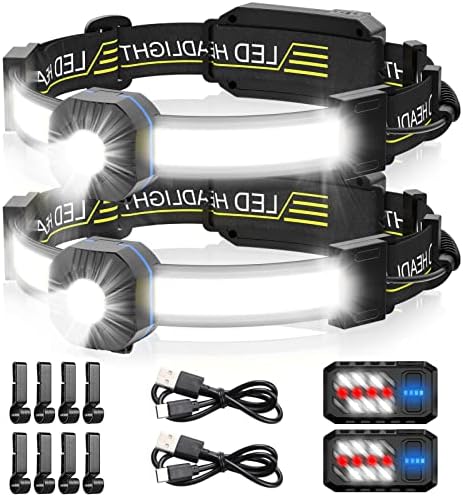

Conclusion: Choosing the Right Headlamp Flashlight for Your Needs
In the fields of mechanics and electrical work, having reliable lighting is crucial for efficiency and safety. Throughout this guide, we have explored the various advantages of headlamp flashlights, which leave your hands free for intricate tasks. Mechanics and electricians alike can benefit tremendously from the convenience of headlamps, making them an essential tool in their respective trades.
The illumination provided by headlamp flashlights ensures that even the most detailed of tasks can be performed without compromise. In addition to hands-free operation, the adjustable brightness and angles of many models allow users to tailor their lighting experience to specific requirements. Moreover, features like durability and water resistance are often vital, given the demanding environments these professionals work in.


When selecting a headlamp flashlight, consider your individual needs, such as battery life, weight, and brightness levels. Each task may call for different features; for instance, an electrician may prioritize a model with a bright, focused beam, while a mechanic might look for a robust design that can withstand greasy conditions. It is also prudent to read reviews and compare various products to ensure you are making an informed decision before purchasing.
In summary, the right headlamp flashlight can significantly enhance productivity and safety for mechanics and electricians. By carefully assessing your specific needs and preferences, you can choose a model that best suits your work environment. Investing in a high-quality headlamp not only simplifies tasks but also improves overall performance in your profession, making it a wise addition to your toolkit.
As an Amazon Associate, I earn from qualifying purchases.