Introduction to Newborn Weighing
Monitoring the weight of a newborn is a vital aspect of ensuring their health and development during the early days of life. From the moment a baby is born, healthcare professionals will typically record their weight, as it serves as a crucial indicator of overall well-being. Weight gain is a significant marker for assessing whether a newborn is feeding adequately, growing normally, and receiving the necessary nutrients. It is essential for both parents and healthcare professionals to understand the importance of accurate newborn weighing.
Newborns usually lose some weight in the first few days after birth, which is considered normal. However, monitoring this change is key, as sustained weight loss can signal potential health issues. Regular weighing helps to ensure that any concerns can be addressed promptly, enabling timely interventions when needed. Consequently, a reliable baby scale becomes an indispensable tool in any household with an infant.
The choice of weighing devices is critical. Not all scales provide the same level of accuracy. Parents should look for baby scales specifically designed for newborns, ensuring they provide precise measurements to the nearest gram or ounce. Healthcare providers often recommend digital baby scales, as these tend to provide more accurate readings and ease of use compared to traditional mechanical scales.

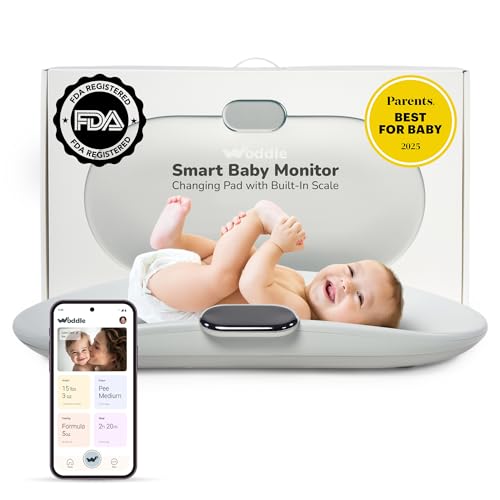

In addition to accuracy, the functionality and portability of baby scales should also be considered, particularly for families who may need to weigh their babies frequently or on the go. Overall, understanding the importance of accurate weight monitoring for newborns will empower parents and caregivers to take charge of their baby’s early health, making informed decisions with confidence.
Why Accurate Weight Measurement Matters
The accurate measurement of a newborn’s weight is crucial for several reasons that directly impact their health and development. After birth, newborns can experience weight loss, particularly during the first few days of life due to various factors such as fluid loss and adjustment to feedings. It is standard for babies to lose up to 10% of their birth weight in the initial days; however, significant losses can indicate underlying issues. Monitoring weight closely helps healthcare providers detect these concerns early on and recommend necessary interventions.
Additionally, accurate weight measurements assist medical professionals in assessing whether a newborn is feeding adequately. Malnutrition or inadequate feeding may result in insufficient weight gain, leading to a myriad of problems, including decreased energy levels and impaired growth. Parents and caregivers can benefit from regular weight checks to ensure that the infant is thriving. Using a reliable baby scale ensures precise readings and reassures parents about their newborn’s nutritional status.
Furthermore, weight can play a pivotal role in medical decision-making. For instance, it may influence the dosages of medications prescribed, ensuring that the infant receives appropriate care. Accurate weight data can also help determine if a baby requires further evaluation or specialized care, particularly in cases of prematurity or other health concerns. In essence, weight measurement acts as a straightforward yet effective barometer of a newborn’s overall health, guiding both parents and healthcare providers in making informed choices.
Types of Baby Scales
Choosing the right baby scale is essential for monitoring your newborn’s weight accurately. There are several types of baby scales available on the market, each with distinct features, advantages, and disadvantages. Understanding these types can help parents make informed decisions.
Digital Baby Scales: Digital baby scales are among the most popular choices for parents. They provide precise weight measurements typically displayed on a digital readout, ensuring clarity and ease of use. Most digital scales have features such as automatic shut-off to conserve battery life and memory functions that allow parents to track weight changes over time. However, they may require batteries, which can lead to inconvenience if they run out unexpectedly.
Mechanical Baby Scales: Mechanical scales operate without electricity, making them reliable in various situations. They feature a spring mechanism and a dial that displays the weight. These scales tend to be more durable and can withstand rough handling. However, mechanical scales may not offer the precision of digital models, and some parents may find the dial difficult to read accurately. It is also imperative to ensure proper calibration for consistent results.
Smart Baby Scales: The emerging category of smart baby scales incorporates advanced technology, often connecting to smartphones or tablets through Bluetooth or Wi-Fi. These scales can track various metrics, including weight trends and growth percentiles, which can be particularly useful for parents monitoring their child’s development over time. While convenient, smart scales typically come at a higher price point and depend on technology, which could be a consideration for some families.
Overall, the choice of a baby scale should depend on individual needs and preferences. By understanding the distinct characteristics of digital, mechanical, and smart baby scales, parents can select the option that best suits their requirements for accurate newborn weight monitoring.
Features to Look for in a Baby Scale
When selecting a baby scale, it is crucial for parents to consider several key features to ensure they choose a model that meets their specific needs. First and foremost, precision is paramount. A highly accurate scale will provide reliable measurements that can help monitor a newborn’s growth effectively. Look for scales that offer measurements in both pounds and kilograms and have the capacity to weigh infants up to a minimum of 20-30 pounds.
Ease of use is another important feature. Opt for a baby scale that is user-friendly, preferably with a clear display that is easy to read. Some models feature tare functions, allowing parents to subtract the weight of any additional items such as blankets or diapers, resulting in a more accurate measurement of the baby’s weight.
Portability is also worth considering, especially for families on the go. A lightweight scale that can be easily transported is ideal for those who may need to weigh their baby outside the home. Additionally, look for compact designs that do not sacrifice stability, as a sturdy base will enhance accuracy during use.
Many modern baby scales come with additional functionalities that can add convenience. Some models offer dual features, such as the ability to measure a baby’s length alongside their weight. This multi-functionality can streamline the process, making it easier for parents to keep track of their child’s growth milestones.
In summary, by focusing on precision, ease of use, portability, and potential additional features, parents can confidently choose a baby scale that best suits their lifestyle and accurately monitors their newborn’s growth. Investing in the right baby scale is an essential step in ensuring the healthy development of their child.
How to Properly Use a Baby Scale
Using a baby scale correctly is essential for obtaining accurate weight measurements for your newborn. To ensure precise readings, start by making sure the scale is placed on a flat, stable surface away from any objects that may obstruct its balance. Calibration is the first crucial step; many digital baby scales have a reset or tare function that should be used before weighing your infant. This allows the scale to reset to zero, ensuring that any discrepancies from previous weights are accounted for.
When positioning your baby on the scale, ensure that they are placed in the center of the weighing platform to avoid any inaccuracies that could result from slippage or leaning against the sides. It is advisable to remove any excess clothing or diapers, as these can add weight and lead to an incorrect measurement. Always weigh your baby when they are calm and still; ideally, during times when they are content and not squirming, which may affect the reading.
It is recommended to weigh your newborn regularly, particularly during the early weeks of their life when monitoring growth is critical. This could be done once a week or bi-weekly, depending on your pediatrician’s guidance. Consistency in the timing of the weigh-ins is also important: try to weigh your baby at the same time of day, typically in the morning, to avoid variations that can occur from feeding schedules. By following these guidelines, you will promote reliable tracking of your newborn’s weight, which is vital for monitoring their health and development.
Common Mistakes to Avoid When Weighing Newborns
When it comes to weighing newborns, accuracy is paramount for monitoring their growth and development. However, many parents unknowingly commit common mistakes that can lead to imprecise measurements. One of the most frequent errors is failing to zero the scale before placing the baby on it. A scale that has not been properly zeroed or calibrated can produce misleading results, making it essential to always check the scale’s readout before weighing.
Another common mistake involves using the wrong type of scale. Baby scales specifically designed for infants are preferable because they accommodate the smaller size and weight of newborns. Using household scales, which might not register low weights accurately, can lead to discrepancies that inaccurately reflect a newborn’s actual weight. Choosing the right baby scale is crucial, as it ensures that the measurement is both accurate and reliable.
Additionally, parents often overlook the importance of weighing their newborn without clothing or any additional items. Clothing, blankets, or accessories can add unnecessary weight that skews the measurements. To ensure the most accurate reading, the baby should ideally be weighed in just a dry diaper or completely nude. This approach helps avoid any potential miscalculations.
Furthermore, the timing of weighing can also make a difference. It is best to weigh the baby at the same time each day, such as in the morning before feeding, to track fluctuations accurately. Environmental factors, such as the surface on which the scale is placed, should also be considered. An unstable surface may lead to inconsistent readings that complicate monitoring weight gain. By being aware of these common mistakes, parents can ensure accurate and effective tracking of their newborn’s weight, fostering a better understanding of their child’s growth journey.
When to Consult a Pediatrician
Monitoring a newborn’s weight is an essential aspect of ensuring their growth and health during the early stages of life. However, there are specific circumstances that may warrant a consultation with a pediatrician regarding the baby’s weight. Parents should be aware of certain red flags that indicate the need for professional guidance.
One of the primary concerns is if there is a noticeable decline in the baby’s weight. For newborns, a drop of more than 10% from their birth weight can be alarming. If parents observe that their baby is losing weight or failing to regain their birth weight within the expected timeframe, it is imperative to seek medical advice. Additionally, inconsistent weight gain patterns—such as weight fluctuations that do not align with recommended growth guidelines—should prompt a conversation with a healthcare professional.
Inadequate feeding practices can also necessitate consulting a pediatrician. Signs that a baby may not be getting enough nutrition include prolonged periods of fussiness, lethargy, or a decreased number of wet or soiled diapers. Parents should monitor feeding frequency and effectiveness, as challenges such as poor latching during breastfeeding or insufficient bottle feeding can impact overall growth.
Furthermore, pediatricians should be consulted if there are significant concerns regarding developmental milestones. Babies who are not meeting standard indicators of growth—such as length, head circumference, and overall physical development—may require further evaluation. It is crucial for parents to maintain open lines of communication with their pediatrician, as they can provide tailored guidance based on the baby’s individual health and circumstances.
Conclusion & Final Tips
In this blog post, we have thoroughly examined the significance of accurate newborn weight measurements and the importance of selecting the appropriate baby scale. It is clear that monitoring a newborn’s weight is a vital aspect of ensuring their overall health and well-being. Accurate weight tracking not only assists healthcare professionals in identifying potential health issues but also provides reassurance to parents concerning their baby’s growth and development.
To reiterate, choosing the right baby scale is crucial. Opt for a scale designed specifically for infants, which will provide precise measurements, especially for those first few months when the baby may gain weight quickly. Ensure that the scale is calibrated correctly before each use, and consider digital scales for added accuracy and ease of reading.
Additionally, it is essential for parents to establish a consistent routine when weighing their newborns. Weighing the baby at the same time of day, preferably before feedings, can yield more consistent results. Always use the same scale to monitor changes in weight effectively. It may also be beneficial to keep a log of the weight measurements to share with pediatricians during regular check-ups.
Finally, if any significant fluctuations in weight are detected, do not hesitate to consult a healthcare professional. Early detection and intervention can be critical in addressing any health concerns that may arise. Careful attention to newborn weight will greatly contribute to the health journey of any child, instilling confidence in parents regarding their baby’s growth and nutritional needs. By implementing these tips and understanding the significance of accurate weight measurements, you can support your little one’s healthy development during those crucial early months.
As an Amazon Associate, I earn from qualifying purchases.