Introduction
White noise has emerged as a widely recognized auditory phenomenon, increasingly adopted for its potential benefits in enhancing sleep quality and alleviating anxiety. This continuous sound, which contains a spectrum of frequencies at equal intensity, has found its way into various applications, from specialized machines to mobile apps, catering to individuals seeking a tranquil sleep environment.
The concept of white noise operates on the premise that consistent, unobtrusive sound can mask other disruptive noises that inhibit restful sleep. By creating a steady auditory backdrop, white noise mitigates the startling moments that can interrupt the sleep cycle, such as traffic, television sounds, or conversations occurring outside. Consequently, individuals often find it easier to drift into a deeper sleep, thereby positively influencing their overall sleep quality.
Moreover, the relationship between white noise and anxiety reduction is noteworthy. In various studies, participants exposed to white noise reported feeling more relaxed and focused after regular exposure. This calming effect may be attributed to the brain’s response to repetitive stimuli, which helps divert attention from anxiety-provoking thoughts. Hence, incorporating white noise into one’s nighttime routine not only fortifies the ability to fall and stay asleep but may also contribute to a more serene state of mind during waking hours.
In summary, the utilization of white noise as a sleep aid is gaining traction among individuals seeking a solution from restless nights and anxious thoughts. By providing a consistent auditory environment, white noise has shown results in significantly improving sleep quality and reducing anxiety, thereby offering a holistic approach to better mental and emotional well-being.
What is White Noise?
White noise is a type of sound that contains equal intensity across various frequencies. It resembles the sound of static produced by a television tuned to an unused channel or the steady hum of an air conditioner. The unique characteristic of white noise is its ability to mask other sounds, effectively providing a consistent auditory backdrop that can help individuals relax and focus, which is particularly beneficial in environments that may be conducive to distractions.
Unlike other types of sound, such as pink noise or brown noise, which emphasize lower frequencies, white noise maintains a flat spectrum, ensuring that all audible frequencies are presented uniformly. This generates a soothing, consistent sound experience that contrasts sharply with the occurrence of erratic and fluctuating noises, which can be jarring and disruptive. The science behind sound frequencies indicates that our auditory systems respond favorably to this uniformity, often perceiving white noise as comforting rather than intrusive.
Common sources of white noise include fans, air purifiers, and specially designed sound machines. These devices can generate a spectrum of sounds tailored to create a more tranquil environment. Additionally, various smartphone applications mirror these effects, providing users with the convenience of white noise at their fingertips. Research suggests that the constant sound of white noise can assist in flood-proofing the mind against sudden disturbances, thereby aiding in relaxation and sleep quality enhancement.

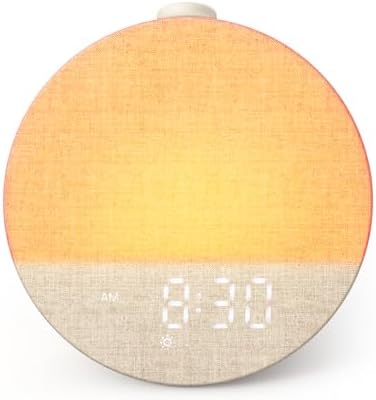
As we delve deeper into understanding white noise, it becomes evident that its relevance extends beyond mere comfort. Its role in enhancing sleep quality and reducing anxiety showcases the profound interrelation between sound, the human experience, and overall wellness.
The Mechanism of Action: How White Noise Affects the Brain
White noise works by generating a consistent sound that can effectively mask disruptive auditory stimuli, thereby creating a more conducive environment for sleep and relaxation. The brain continuously processes sounds from the environment, and sudden changes in noise levels can activate the auditory system, leading to disturbances during sleep. By introducing a steady background noise, white noise helps prevent these disruptive sounds from being registered by the brain.
The calming effect of white noise can be attributed to its ability to promote relaxation. When individuals are exposed to a consistent auditory environment, their brains are less likely to respond to outside noise, such as barking dogs or traffic sounds. This auditory masking effect can create a sense of safety and tranquility, allowing the individual to drift into a deeper state of sleep. Furthermore, the brain’s response to white noise can facilitate the transition between different sleep stages, thereby enhancing overall sleep quality.
Moreover, studies have indicated that white noise can help reduce anxiety levels, which is particularly beneficial for individuals struggling with sleep disturbances. The white noise creates a stable sound foundation that can drown out intrusive thoughts and feelings, thereby allowing the brain to focus on rest rather than dwelling on stressors. Over time, a person may come to subconsciously associate the sound of white noise with relaxation and sleep, reinforcing its effectiveness as a sleep aid.
Through these mechanisms, white noise contributes to not only improved sleep quality but also a reduction in anxiety. This makes it a valuable tool for individuals seeking effective strategies to enhance their nighttime routine and overall well-being.
The Connection Between Sleep Quality and Anxiety
Sleep quality is intricately linked to mental health, with substantial evidence indicating that poor sleep can exacerbate anxiety levels. Individuals with anxiety disorders experience sleep disturbances, failing to achieve the restorative sleep essential for optimal mental functioning. This connection highlights the importance of understanding how sleep quality can impact psychological well-being.
The loss of sleep phases can lead to impaired problem-solving abilities and increased sensitivity to stressors, both of which elevate anxiety levels. For instance, a large-scale study revealed that just one week of inadequate sleep could lead to a 30% increase in anxiety among participants, indicating that even short-term sleep disruptions can have a profound impact on mental health.
Therefore, it is crucial to prioritize sleep quality as a fundamental component of mental wellness. Establishing a consistent sleep routine, ensuring a conducive sleep environment, and utilizing techniques such as white noise can significantly improve sleep quality, ultimately reducing anxiety. Mental health professionals emphasize that by fostering better sleep habits, individuals may enhance their overall emotional resilience and reduce the prevalence of anxiety-related symptoms.
Research Findings: White Noise and Sleep Studies
Extensive research has been conducted to explore the effects of white noise on sleep quality, revealing compelling insights about its benefits. Numerous sleep studies have examined various parameters, such as sleep duration, sleep onset time, and subjective sleep quality reported by participants. One key finding across these studies is that white noise significantly enhances sleep duration. It has been shown to minimize disruptions caused by external noises, allowing individuals to achieve longer periods of uninterrupted sleep.
In a randomized controlled trial involving adults experiencing sleep disturbances, participants who were exposed to white noise reported an increased total sleep time compared to those in a control group. This finding supports the hypothesis that white noise acts as a sound mask, effectively blurring the impact of sudden environmental noises that can interrupt sleep.
Further research has also focused on sleep onset time, with findings suggesting that white noise can facilitate faster transitions into sleep. In a study with a group of insomniacs, participants who listened to white noise were able to fall asleep an average of 15 minutes sooner than those who did not use it. This reduction in sleep latency is especially beneficial for those struggling with racing thoughts or anxiety when attempting to sleep.
Moreover, subjective measures of sleep quality reveal that individuals exposed to white noise report feeling more rested upon waking compared to those who experienced silence or background disturbances. Survey evaluations indicate that participants often perceive their sleep as deeper and more restorative when white noise is utilized. These studies collectively underscore the potential of white noise as a valuable tool for improving sleep quality, addressing the increasing concerns surrounding sleep disorders and anxiety.
Benefits of Using White Noise for Better Sleep
White noise has become increasingly popular among different demographics seeking improved sleep quality. One of its primary advantages is its ease of use. Users can engage with white noise through various platforms such as dedicated machines, smartphone applications, or even online streaming services, making it an accessible solution for anyone experiencing sleep disturbances. This versatility allows individuals to tailor their experience to personal preferences, ensuring a more conducive sleep environment.
Another significant benefit of white noise is its cost-effectiveness. Many white noise machines and mobile apps are available at a minimal expense, and some free options are just as effective as paid alternatives. This affordability makes it easier for individuals experiencing financial constraints to adopt this sleep-enhancing practice without incurring substantial costs.
In terms of demographic reach, white noise proves to be beneficial for various groups. For infants, gentle white noise can simulate the sounds they experienced in the womb, promoting a calming environment that may help reduce fussiness and improve sleep duration. This is particularly crucial during early development when consistent sleep patterns are vital for growth.
Adults, too, can benefit significantly. Many individuals find themselves struggling with intrusive noises that disrupt their sleep. White noise effectively masks these disturbances, facilitating deeper sleep through a consistently soothing soundscape. This aspect of white noise is especially relevant for those living in urban environments, where nighttime noise pollution can lead to sleep challenges.
Additionally, individuals with sleep disorders may experience profound benefits from white noise. Conditions such as insomnia and sleep apnea often result in difficulty falling or staying asleep, and white noise can provide the auditory consistency needed to ease these issues. Research also suggests that the soothing effects of white noise can promote relaxation, which further enhances sleep quality.
Potential Drawbacks and Considerations
While white noise can provide a comforting auditory backdrop that aids in sleep quality and reduces anxiety, it is essential to acknowledge the potential drawbacks and considerations associated with its use. One significant concern is the risk of developing dependence on white noise machines or recordings. Individuals who regularly rely on white noise to fall asleep may find it challenging to sleep without it, potentially leading to difficulty when environments do not permit its use.
Moreover, there is evidence to suggest that prolonged exposure to white noise could impact auditory sensitivity over time. Continuous exposure to loud or inappropriate white noise levels may not only dull one’s sense of hearing but could also lead to increased sensitivity to sounds when silence is restored. This phenomenon is particularly crucial for individuals with existing hearing impairments or those susceptible to auditory conditions.
To ensure safe and effective use of white noise, it is advisable to keep the volume at a moderate level. This strategy helps minimize potential auditory harm while maintaining its calming effects. Additionally, it could be beneficial to incorporate breaks from white noise usage to help reduce dependence levels. For those seeking alternative methods to enhance sleep quality, several practices can be considered, including mindfulness meditation, progressive muscle relaxation, or listening to calming music.
In conclusion, while white noise offers numerous benefits for improving sleep quality and alleviating anxiety, awareness of its potential drawbacks is crucial. By using it responsibly and exploring other relaxation techniques, individuals can develop a well-rounded approach to achieving restful sleep and better overall well-being.
Practical Tips for Incorporating White Noise into Your Sleep Routine
Integrating white noise into your sleep routine can significantly improve sleep quality and help reduce anxiety levels. Here are actionable tips to make the most of white noise in your nightly ritual.
First, consider investing in a dedicated white noise machine. These devices provide a consistent sound that can mask environmental noise disturbances. Look for models that offer various sound options, such as rain, ocean waves, or fan sounds. Some reputable brands include Marpac and LectroFan, known for their effectiveness in creating a soothing atmosphere conducive to sleep.
If you prefer a more portable solution, several mobile apps are available that mimic the effects of white noise. Apps like “White Noise” and “Sleep Sound” can produce a range of sounds to suit your preference. By using a smartphone or tablet, you can also tailor the volume to your liking and easily adjust settings if you wake during the night.
For a budget-friendly option, you can create your own white noise by utilizing various household items. Running a fan, air purifier, or even an old radio set to static can effectively generate white noise. Additionally, recordings of nature sounds or ambient noise available online can be played on a loop to create a calming environment.
Create a calming bedtime atmosphere by establishing a dedicated sleeping space. By consistently using white noise as part of your routine, your brain will associate those sounds with sleep, promoting a quicker transition into restful slumber. Make it a goal to play your chosen white noise consistently every night, as this will help develop a sleep signal, reinforcing the association between the sound and rest.
In conclusion, using white noise strategically can significantly improve both sleep quality and anxiety levels. Whether through machines, apps, or DIY solutions, harnessing the power of white noise is an effective approach to enhance your nighttime experience.
Conclusion: Embracing White Noise for a Peaceful Night
White noise has emerged as a scientifically-backed solution for those seeking to improve their sleep quality and mitigate anxiety. By enveloping the environment in a consistent auditory backdrop, this soothing sound effectively masks disruptive noises, thereby assisting individuals in attaining a deeper, uninterrupted slumber. Through its ability to create a calming atmosphere, white noise not only enhances restfulness but also promotes overall psychological well-being.
The benefits of white noise extend beyond mere sleep enhancement. Numerous studies indicate that the auditory characteristics of white noise can significantly reduce feelings of anxiety, offering a sense of security and comfort. As individuals embrace white noise, they may experience a decrease in stress-related symptoms and a more restful state of mind, leading to improved mental clarity and performance during waking hours.
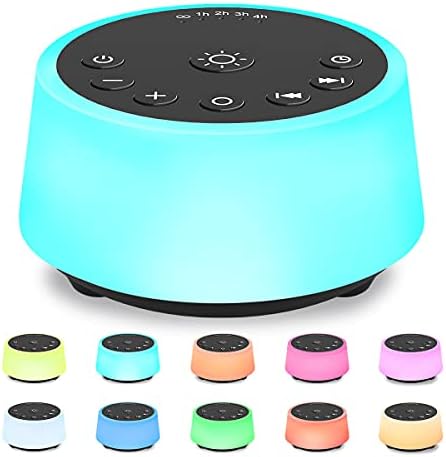
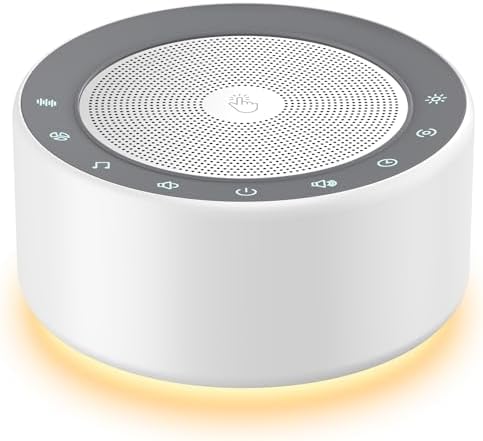

In our ever-busy world, where distractions abound, seeking effective sleep solutions is paramount. The adoption of white noise machines or applications can offer a practical approach to fostering a serene sleep environment. By prioritizing quality rest, individuals not only cater to their immediate need for sleep but also invest in their long-term mental and physical health.
In conclusion, the integration of white noise into nightly routines can serve as a powerful ally in the quest for enhanced sleep quality and reduced anxiety levels. As we navigate the complexities of daily life, finding simple yet effective solutions, like white noise, can make a profound difference in restoring balance and promoting holistic well-being.
As an Amazon Associate, I earn from qualifying purchases.