Introduction to Camping Essentials
Camping is an exhilarating way to immerse oneself in nature, offering an escape from the hustle and bustle of everyday life. However, the key to enjoying the great outdoors lies in proper preparation. An essential camping checklist serves as a guide to ensure that you have all necessary equipment and supplies for a safe and enjoyable experience. When venturing into the wilderness, forgetting even the most basic items can lead to discomfort, or worse, put your safety at risk.
Having a well-structured list of camping essentials can significantly enhance your experience. First and foremost, it reduces stress associated with packing. When you systematically outline your needs, you can avoid last-minute scrambles and ensure that you are entirely equipped for your journey. Considerations such as fire-starting tools, water purification systems, and cooking gear are crucial factors that could determine the quality of your trip.
Moreover, the right gear ensures your comfort and safety while camping. For instance, a good sleeping bag and tent not only improve your sleeping arrangements but also shield you from the unpredictable elements. Additionally, carrying a first-aid kit can be instrumental in handling minor injuries, illustrating the importance of preparedness.


As you embark on your outdoor adventure, tailor your camping essentials checklist to suit your destination and duration of your stay. By incorporating various categories, such as cooking, shelter, and clothing, you can systematically cover all the necessities. This thorough approach fosters a more enjoyable atmosphere, allowing you to relish the beauty around you without worry.
Sleeping Gear: Sleeping Pads and Double Sleeping Bags
When embarking on a camping adventure, the sleeping gear you choose is paramount to ensuring a comfortable night under the stars. Among the most critical components of this gear are sleeping pads and double sleeping bags. These items not only contribute to your overall sleeping comfort but also play a significant role in temperature regulation, ensuring you remain warm during cooler nights and cool during warmer evenings.
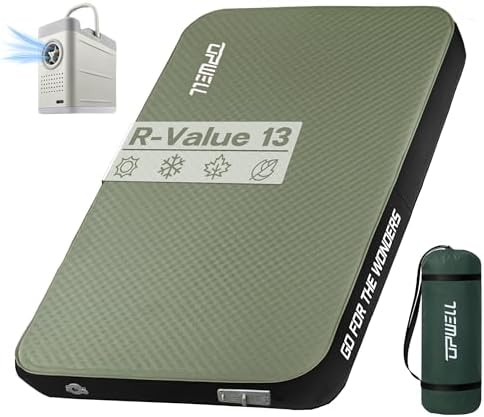
Sleeping pads are essential for providing insulation and cushioning from the ground. They come in various forms, including air pads, foam pads, and self-inflating types. Each has its own benefits: air pads often offer superior comfort and packability, foam pads provide durability and insulation, while self-inflating pads combine the benefits of both ease of use and efficiency. The selection of a sleeping pad should be based on personal preference, the type of camping you plan to undertake, and the season in which you are camping. For instance, a thicker pad may be ideal for winter camping to provide extra insulation against the cold ground.

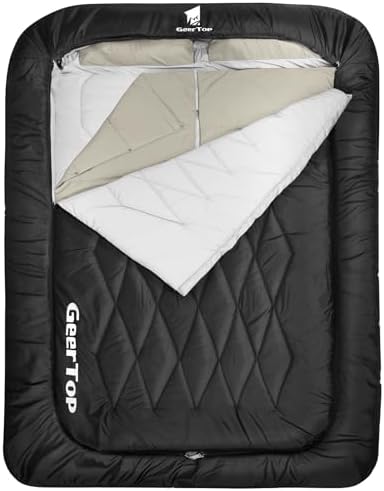
Double sleeping bags are designed specifically for couples or individuals who enjoy extra space while sleeping. These sleeping bags often have a built-in zipper system that allows for easy entry and exit, while also providing the flexibility to unzip and use as two separate bags if needed. When choosing a double sleeping bag, consider the temperature rating, breathability, and overall size. A bag with an appropriate temperature rating is crucial, as it ensures comfort and warmth during chilly nights.

Ultimately, selecting the right sleeping gear can greatly enhance your camping experience. By investing in quality sleeping pads and double sleeping bags tailored to your specific needs and conditions, you can ensure restful sleep and rejuvenation, allowing you to fully enjoy your outdoor adventures.
Setting Up Camp: Tents and Hammocks
When embarking on a camping adventure, selecting the appropriate shelter is crucial for ensuring a comfortable and enjoyable experience. The two most common options are tents and hammocks, each offering unique benefits depending on the terrain and personal preferences.
Tents are versatile shelters that come in various designs, sizes, and materials, ensuring a fit for different camping environments. When choosing a camping tent, consider the number of occupants, the weather conditions, and the terrain. For families or groups, spacious tents with multiple rooms can accommodate everyone comfortably. If you plan to camp in harsh weather conditions, look for tents that offer excellent waterproofing and durability. Lightweight backpacking tents are ideal for those who prioritize portability, featuring compact designs that make carrying them easier during hikes.


On the other hand, camping hammocks have gained popularity for their lightweight and easy-to-set-up nature. They are an excellent alternative for campers seeking a cozy night’s sleep while being elevated off the ground. Hammocks are particularly beneficial in warmer climates, offering better airflow and reducing the chances of encountering critters. Moreover, sleeping in a hammock can alleviate back pain due to its natural curve, promoting better rest. When selecting a hammock, search for models that come with necessary fixtures such as straps and carabiners, ensuring easy setup between two sturdy trees or support structures.


Ultimately, the choice between a tent and a hammock largely depends on your specific needs and the camping environment. With careful consideration and the right information, establishing a comfortable base camp will enhance your overall outdoor experience.
Cooking and Food Storage Essentials: Stoves and Coolers
When embarking on a camping adventure, having the right cooking essentials is crucial for both convenience and safety. Portable gas stoves are a top choice for campers due to their ease of use and quick heating capabilities. These stoves often come with adjustable flames, allowing for various cooking techniques, from boiling water for instant meals to simmering a hearty stew. It is advisable to choose a stove that runs on propane or butane, as these fuels tend to be lightweight and readily available.


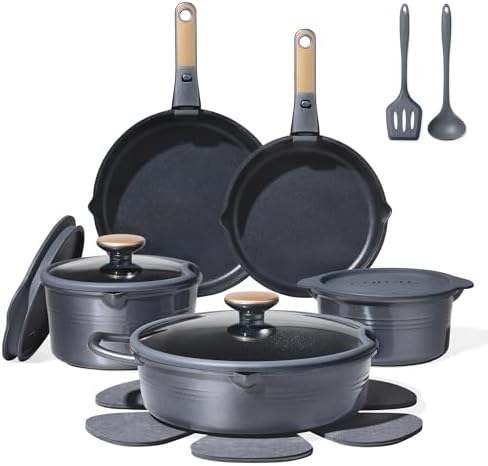
Additionally, the incorporation of cooking pots, pans, and utensils suitable for outdoor use can enhance your culinary experience in the wild. Look for collapsible or nesting cookware that is designed for portability. Also, consider including a multi-tool or a dedicated camping knife for food preparation, as these tools can serve multiple purposes during your trip.

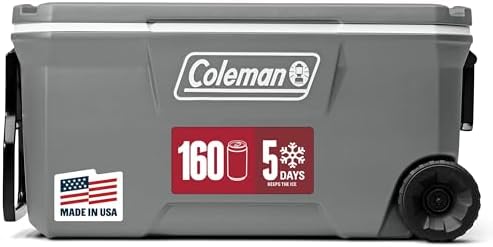
Food storage is equally important in maintaining the quality and safety of the meals you prepare while camping. Portable coolers are essential for preserving perishables like meat, dairy, and fresh vegetables. When selecting a cooler, consider options with insulation that retains cold temperatures for extended periods. Soft-sided coolers are lightweight and easy to carry, while hard-sided models provide better temperature retention and durability.

To further enhance food safety, it is recommended to pre-cook certain meals at home and store them in freezer bags before your departure. These frozen meals can aid in keeping other items in the cooler chilled as they thaw. Always separate raw meats from ready-to-eat foods to prevent cross-contamination. Staying organized with your cooking and food storage gear will ensure a more enjoyable and efficient camping experience.
Hydration and Water Management: Water Containers and Filters
Ensuring proper hydration is paramount during camping trips, as it is vital for maintaining energy levels and overall health. The challenges of outdoor environments necessitate effective water management strategies that provide campers with access to clean drinking water. One of the most essential items on your camping checklist is a reliable water container, such as a durable water bottle or a larger water bladder. These containers allow you to transport water conveniently while minimizing the risk of spills.


When selecting a water bottle, consider the material; options include stainless steel, plastic, or glass, each with its own set of advantages. Stainless steel is renowned for its durability and insulating properties, keeping beverages cold or hot for extended periods. Furthermore, portable water containers with a capacity of 2-5 liters can be ideal for group camping, making it easier to store and distribute water.

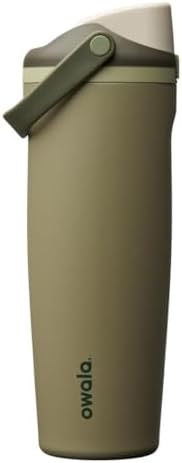

In addition to water containers, utilizing water filters is critical for ensuring that the water you collect from natural sources is safe for consumption. Personal water filters come in various forms, such as pump filters, gravity filters, and straw filters, all designed to eliminate harmful bacteria and parasites. When venturing into areas where clean water sources may be limited, a portable filtration system becomes indispensable, allowing campers to refill their containers without fear of waterborne illnesses.
Moreover, enhancing water management strategies through the use of purification tablets can provide an extra layer of safety. These tablets, often made from iodine or chlorine dioxide, can purify water in situations where filtration may not sufficient. Combining effective water containers with efficient filtration and purification methods will ensure that campers stay well-hydrated, ultimately contributing to a more enjoyable and safe outdoor experience.


Lighting Your Adventure: Lanterns and Flashlights
When embarking on a camping trip, proper lighting is essential for safety, navigation, and overall enjoyment. Whether you are setting up a campsite after dark or simply finding your way to the restroom, having a reliable light source is crucial. Camping lanterns and headlamp flashlights are two popular options, each offering unique advantages and disadvantages depending on specific needs and scenarios.
Camping lanterns are an excellent choice for illuminating larger areas around a campsite. They often provide a broader and more diffused light that can create a welcoming environment for group activities such as cooking or playing games. They tend to have longer battery life and can run on various fuel sources, including propane or batteries, making them suitable for extended trips. However, they can also be bulkier and heavier than other options, which might pose a concern for hikers who prefer to travel light.

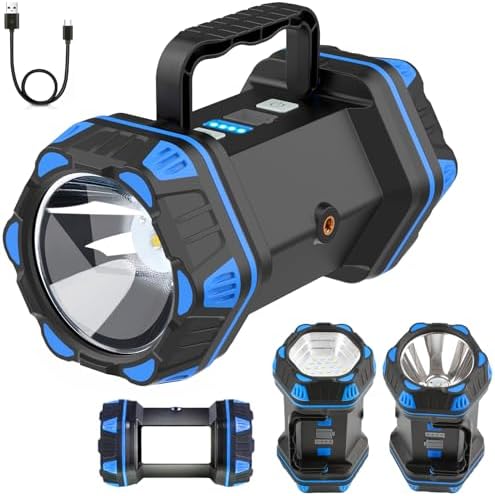
On the other hand, headlamp flashlights offer unparalleled convenience due to their hands-free design. Ideal for tasks that require mobility, headlamps allow the wearer to keep their hands free for cooking, setting up tents, or navigating tricky terrain. They are typically lightweight and portable, making them easy to pack into backpacks. However, headlamps usually provide focused light rather than broad coverage, which could necessitate the use of additional lighting for larger campsites.


When selecting lighting gear for your camping adventure, consider the activities planned and the size of your group. A combination of a bright lantern for communal spaces and individual headlamps for personal use may strike the perfect balance. Each lighting option enhances the camping experience, ensuring memorable moments are never overshadowed by darkness.
Comfort and Convenience: Chairs, Tables, and More
When embarking on a camping trip, it is essential to consider the comfort and convenience of your outdoor space. Camping chairs, tables, and stools play a significant role in enhancing the overall experience, enabling campers to enjoy their time outdoors with proper seating and dining arrangements. Portable chairs provide a comfortable place to relax around the campfire after an adventurous day, while tables serve as practical surfaces for preparing meals and enjoying snacks. Having designated areas for sitting and dining can greatly improve the camping atmosphere and allow for social interactions.
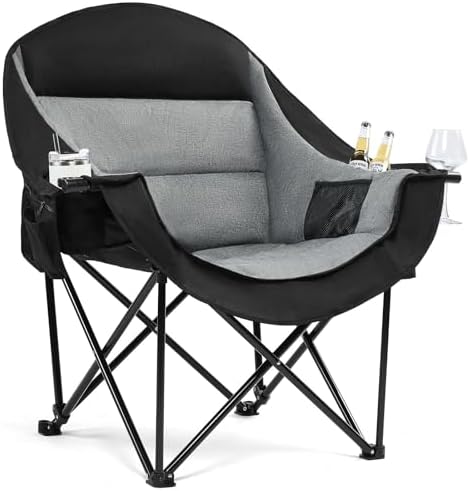


When selecting camping furniture, prioritize lightweight and compact options. Foldable chairs and collapsible tables are excellent choices, as they can be easily packed and transported without taking up much space in your vehicle or backpack. Additionally, look for materials that are durable and weather-resistant, ensuring that your gear withstands the elements while remaining functional. Investing in quality camping furniture not only enhances your comfort level but also makes for a more enjoyable campsite setup.
In organizing your camping essentials, consider packing a portable organizer or storage solution to keep your chairs and tables accessible and ready for use. During meal times, a campsite table can serve as a communal space for dining, games, or socializing, reinforcing a sense of community among campers. If floor space permits, adding a stool can provide extra seating without much hassle, accommodating larger groups.
To maximize comfort while maintaining convenience, take the time to arrange your campsite thoughtfully. Position chairs facing the fire or an outdoor view, and ensure tables are readily available for meal preparation. With these essentials in place, you can create a welcoming environment, ultimately enriching your overall camping adventure.
Essential Clothing and Comfort Items: Warm Gear and Personal Care
When preparing for a camping trip, clothing and personal care items play a critical role in ensuring both comfort and safety. It is essential to select appropriate clothing that will protect against varying weather conditions. First and foremost, warm socks are non-negotiable; they help retain heat and provide cushioning while hiking or lounging around the campsite. Merino wool or thermal socks are ideal due to their moisture-wicking properties, keeping your feet dry and warm throughout your adventure.


Headwear is another critical item. A good-quality beanie or hat can significantly enhance warmth while preventing heat loss through your head. Additionally, gloves are indispensable during cooler nights or when participating in outdoor activities. Waterproof or insulated gloves will provide an extra layer of protection against the elements.


Aside from clothing, personal care items should not be overlooked. Staying hygienic while camping can enhance your outdoor experience. Body wipes are a convenient way to maintain cleanliness when access to water is limited. Opt for biodegradable options to minimize your environmental footprint. Furthermore, carrying a travel-sized first aid kit is essential. This kit can include items such as adhesive bandages, antiseptic wipes, and pain relievers to address any minor injuries or ailments that may arise during your trip.
In addition to these items, consider including lip balm, sunscreen, and insect repellent to protect against the elements and prevent discomfort. Wearing layers allows for greater adaptability to changing temperatures, and having a well-rounded selection of clothing and personal care items ensures you are prepared for whatever your camping adventure may throw your way.
Safety and Navigation Essentials
When embarking on a camping trip, ensuring your safety and the preservation of the natural environment is paramount. This can be achieved through proper use of mosquito repellent, effective trash management, and understanding basic navigation tools like a compass.
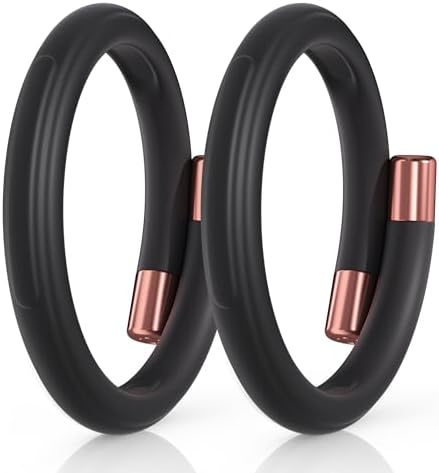


Mosquitoes can quickly turn a delightful outdoor experience into a frustrating one. Utilizing mosquito repellent bracelets is an effective way to keep these insects at bay. These bracelets are designed to emit natural scents that repel mosquitoes, allowing campers to enjoy their surroundings without constant worry. Additionally, applying topical mosquito repellent is advisable, particularly during dawn and dusk when these pests are most active. It is essential to choose products that are safe for your skin and the environment, thereby achieving comfort without compromising safety.
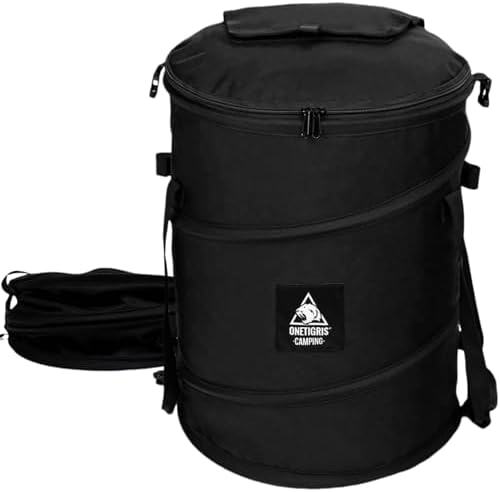
Another critical aspect of safety while camping is trash management. Leaving behind litter not only detracts from the natural beauty of camping areas but also poses hazards to wildlife and the ecosystem. Campers should come prepared with designated trash bags to collect their waste. This includes food remnants, wrappers, and any other materials that may attract animals. Additionally, educating oneself about Leave No Trace principles can help ensure that campsites remain pristine for future visitors.

Finally, having a good understanding of navigation tools, particularly the compass, is essential in the outdoors. A compass helps outdoor enthusiasts gauge their direction, particularly when trails may not be well-marked. Learning to use a compass in conjunction with a detailed map can bolster your sense of direction and enhance your overall camping experience. Familiarizing yourself with basic navigation techniques will not only help you stay safe but also contribute to a more enjoyable adventure.
As an Amazon Associate, I earn from qualifying purchases.