Introduction to Binoculars: Enhancing Your Outdoor Experience
Binoculars serve as an essential tool for enhancing various outdoor activities by providing users with the ability to observe distant objects with clarity and detail. These optical devices magnify visual perspectives, making them invaluable companions for nature enthusiasts, athletes, and outdoor adventurers alike. Equipped with two telescopic lenses, binoculars allow individuals to experience a world beyond their immediate surroundings, making distant landscapes, wildlife, and events more accessible.


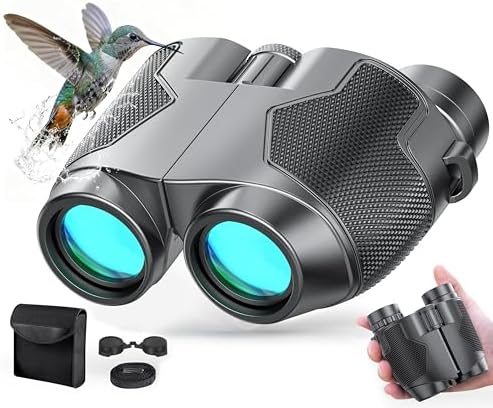
For bird watching enthusiasts, binoculars can reveal intricate details such as feather patterns and behaviors that would be otherwise invisible to the naked eye. An appropriate pair of binoculars can transform a simple day outdoors into a breathtaking experience filled with discovery. Moreover, they are equally advantageous during hiking trips, where spotting unique landmarks or wildlife can greatly enhance the enjoyment of the journey. Even in sports, binoculars enable spectators to get an up-close view of the action from afar, ensuring that no thrilling moment is missed.
Choosing the right binoculars involves understanding various specifications such as magnification, objective lens size, field of view, and weight. Each of these factors plays a crucial role in determining the suitability of binoculars for specific activities. For instance, a lightweight pair may be ideal for long hikes, while high magnification may be more favorable for observing distant wildlife. Knowing the purpose of the desired usage is imperative to select binoculars that align seamlessly with individual preferences and requirements.
Understanding Binocular Specifications: Key Features Demystified
When selecting binoculars, understanding key specifications is essential for making an informed decision. The primary aspects to consider are magnification, objective lens diameter, field of view, and prism type, each contributing significantly to performance.
Magnification is expressed as a number followed by an ‘x’ (for example, 10x). This indicates how many times closer an object appears compared to viewing it with the naked eye. Higher magnifications can provide detailed views, but they may also result in shaky images unless used with a tripod. Therefore, for wildlife observation or stargazing, consider the optimal range of 8x to 10x for a good balance of detail and stability.
The objective lens diameter is measured in millimeters and refers to the width of the front lenses. A larger diameter allows more light to enter, enhancing brightness and clarity in low-light conditions. For nighttime activities like astronomy or birdwatching at dawn, binoculars with an objective lens of 42mm or more are often preferred.
Field of view denotes the width of the area visible through the binoculars at a specific distance, typically measured in feet at 1,000 yards. A wide field of view enables easier tracking of moving subjects, making it advantageous for activities such as birdwatching or sports. Conversely, narrower fields provide a more zoomed-in perspective but can make observing fast-moving objects challenging.
Finally, the prism type in binoculars affects size and weight, with two common options: Porro prisms and roof prisms. Porro prism designs are often bulkier but offer a wider optical path, while roof prisms are more compact, making them ideal for portability. Each design presents unique benefits, thus understanding these differences can help in choosing the right binoculars for your specific adventures.
Types of Binoculars: Which One is Right for You?
When selecting binoculars for your adventures, understanding the different types available is crucial. Binoculars can primarily be categorized into two main prism designs: roof prism and porro prism. Each design offers unique advantages. Roof prism models, characterized by their compact and streamlined shape, are ideal for those requiring portability. They are well-suited for activities such as birdwatching or hiking, where space and weight are considerations. In contrast, porro prism binoculars tend to deliver superior image quality and a wider field of view, making them popular for astronomical observations or wildlife spotting.

- POWERFUL 15X MAGNIFICATION: Giant astronomy binoculars with massive 70mm objective lenses and 20x power. Pair them with …
- WORKS WITH YOUR TRIPOD: Due to their size & weight, most users mount SkyMaster binoculars on a traditional photo tripod …
- BRIGHT, SHARP VIEWS WITH BaK-4 PRISMS: The SkyMaster is a favorite among those who view in dim conditions near dawn and …

- EASY-TO-USE ASTRONOMY BINOCULARS FOR BEGINNERS: Cometron 7×50 binoculars are an easy, affordable way to learn the night …
- 7X MAGNIFICATION: With a wide field of view that reveals a larger portion of the night sky, Cometron is ideal for pannin…
- 50MM OBJECTIVES WITH MULTI-COATED OPTICS: Large objective lenses gather more light while multiple layers of anti-reflect…
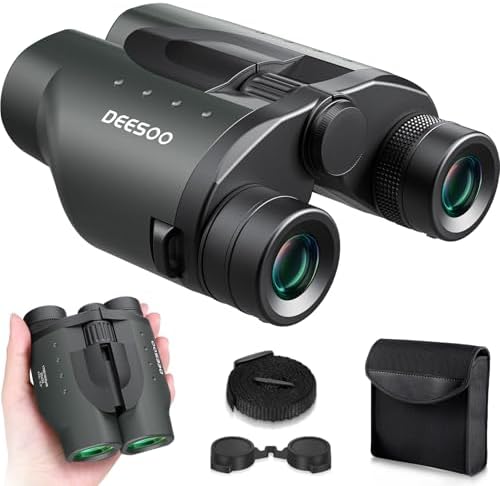
- 【25x High-Power Magnification for Long-Range Clarity】 Engineered for precision, these 25×32 binoculars provide powerful …
- 【Advanced HD Optics for Low-Light Performance】 Featuring 32mm objective lenses with Fully Multi-Coated (FMC) optics and …
- 【Eyeglass Friendly with Large Ocular Lenses】 Equipped with 16mm large eyepieces and 15mm eye relief, these binoculars ar…
Alongside prism designs, binoculars also vary in size. Compact binoculars are lighter and more portable, perfect for casual outings or travelers. However, they often sacrifice some optical performance. Full-sized binoculars, on the other hand, provide greater light-gathering capability, which enhances clarity and brightness, especially in low-light conditions such as dawn or dusk. This choice is essential for serious birdwatchers or outdoor enthusiasts who prioritize optics quality over portability.
Additionally, specialized binoculars cater to specific pursuits. Marine binoculars are designed with protective features to withstand moisture and salt, essential for boating or coastal observations. They are often equipped with image stabilization, making them an excellent choice for activities on turbulent waters. Astronomical binoculars, similarly, possess features such as higher magnification and larger objective lenses, allowing for detailed stargazing and celestial observations. Understanding the types of binoculars and their functionalities can help you choose the right tool for enhancing your outdoor experiences.
Essential Features and Add-Ons: What to Look For
When selecting binoculars for outdoor activities, it is essential to consider various features and add-ons that enhance the viewing experience. One of the most crucial aspects is waterproofing. Waterproof binoculars are designed to be resistant to rain and water immersion, making them ideal for use in adverse weather conditions. Look for models that are nitrogen-purged and O-ring sealed, which prevents internal fogging and ensures clear visibility during humid situations.
Another significant feature is night vision capability. While traditional binoculars often lack this functionality, there are special models available that utilize infrared technology to provide visibility in low-light conditions. Night vision binoculars are beneficial for wildlife observation after dusk or for nighttime activities like stargazing.
Image stabilization is an essential characteristic, particularly for those who plan to use their binoculars during activities such as birdwatching or sports events. High-powered binoculars can produce shaky images, making it challenging to focus on distant subjects. Advanced models equipped with image stabilization technology counteract these movements, providing a steady view even in dynamic conditions.
Lens coatings can also significantly affect the overall performance of binoculars. Fully multi-coated lenses maximize light transmission and reduce glare, resulting in brighter and sharper images. Coatings that enhance color contrast and clarity are particularly beneficial in various lighting conditions, ensuring that the user can enjoy a vivid viewing experience.
Finally, it is crucial to weigh the differences between premium and basic features. While some individuals may find essential features sufficient for their needs, serious enthusiasts and professionals may invest in higher-end models that incorporate advanced technology for superior performance. Balancing these features with your specific use case will ultimately guide you to the best binoculars for your endeavors.
Using Binoculars Effectively
To achieve optimal results while using binoculars, it is crucial to begin with proper adjustments. Ensuring your binoculars fit comfortably in your hands is the first step toward enhancing your viewing experience. Adjust the eyepieces by twisting or sliding them as necessary to align with your eyes. This alignment is particularly important for users who wear glasses, as some binoculars provide an option to adjust for eyeglass wearers, optimizing the field of view.
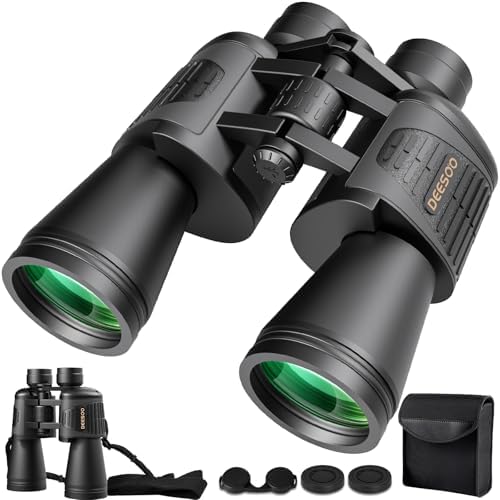
- 【20x Professional High Powered Binoculars】Deesoo outdoor binoculars feature a 20x magnification and 52mm large objective…
- 【Clear and High-Quality Optics】Aspherical lens and multilayer coating design provide superior image brightness and contr…
- 【Ergonomic Non-Slip Design】Adult birding binoculars feature rubber-coated, non-slip grips that can be used outdoors and …

- 🐧【𝟏𝟓𝐱 𝐇𝐢𝐠𝐡-𝐏𝐨𝐰𝐞𝐫𝐞𝐝 𝐁𝐢𝐧𝐨𝐜𝐮𝐥𝐚𝐫𝐬: 𝐃𝐢𝐬𝐜𝐨𝐯𝐞𝐫 𝐍𝐚𝐭𝐮𝐫𝐞’𝐬 𝐒𝐦𝐚𝐥𝐥𝐞𝐬𝐭 𝐃𝐞𝐭𝐚𝐢𝐥𝐬】Elevate your viewing experience with these 15x high-po…
- 🐧【𝟐𝟐𝐦𝐦 𝐋𝐚𝐫𝐠𝐞 𝐄𝐲𝐞𝐩𝐢𝐞𝐜𝐞 𝐁𝐢𝐧𝐨𝐜𝐮𝐥𝐚𝐫𝐬: 𝐋𝐚𝐫𝐠𝐞𝐫 𝐈𝐦𝐚𝐠𝐞, 𝐂𝐥𝐞𝐚𝐫𝐞𝐫 𝐃𝐞𝐭𝐚𝐢𝐥𝐬】Thanks to the expanded 22mm large eyepiece performance, …
- 🐧【𝟐𝟎𝟐𝟓 𝐔𝐩𝐠𝐫𝐚𝐝𝐞𝐝 𝐏𝐡𝐨𝐧𝐞 𝐀𝐝𝐚𝐩𝐭𝐞𝐫 𝐟𝐨𝐫 𝐁𝐢𝐧𝐨𝐜𝐮𝐥𝐚𝐫 𝐏𝐡𝐨𝐭𝐨𝐠𝐫𝐚𝐩𝐡𝐲】The universal upgraded smartphone adapter enables you to capture…
Focusing the binoculars correctly is equally vital. Most models feature a center focus wheel that should be used to adjust for distance. Start by closing or covering your right eye and focusing on a distant object with your left eye. Once focused, switch to the right eye and adjust the right eyepiece using the diopter adjustment, fine-tuning the image until clarity is achieved in both eyes. This technique ensures that both eyes can capture the detailed view seamlessly.
Steady viewing is essential for making the most out of your binoculars, particularly during extended use or when observing rapidly moving scenes. Holding the binoculars properly is key; use both hands to grasp the barrels firmly and envelop your fingers around them, while also resting your elbows against a stable surface or your body to minimize shaking.
Maintenance of binoculars should not be overlooked. Regularly clean the lenses with a microfiber cloth to remove dust and smudges, and inspect the body for any signs of wear or damage. Storing your binoculars in a protective case when not in use will help to keep them in optimal condition. By following these guidelines, users can significantly enhance their binocular experience, ensuring they enjoy every intricacy nature has to offer.
Caring for Your Binoculars: Maintenance Tips to Extend Lifespan
To ensure that your binoculars perform at their best and have a long lifespan, proper maintenance is essential. Binoculars are precision instruments, and keeping them in optimal condition involves routine cleaning and appropriate storage methods.
First and foremost, handling your binoculars with care is crucial. Always use a case when not in use and avoid exposing them to extreme temperatures or harsh weather conditions. When storing your binoculars, choose a cool, dry place to prevent moisture buildup that can lead to mold and damage the internal optics.
Cleaning your binoculars is another integral aspect of maintenance. Dust and debris can accumulate on the exterior and affect visibility. Use a soft lens brush to gently remove any particles from the lenses. For more thorough cleaning, utilize lens cleaning solution and microfiber cloths specifically designed for optics. It is vital to avoid using paper towels or clothing as they may scratch or damage the lens surface.
In case of moisture, which can occur during outdoor activities, it is advisable to dry the binoculars thoroughly before storing them. If your binoculars are fogged or have condensation, place them in a warm, dry area to allow the moisture to evaporate. Consider using silica gel packets in the storage case to help absorb moisture and maintain dry conditions.
Lastly, it is important to regularly check for scratches or other potential issues. Applying protective lens covers when the binoculars are not in use can help prevent scratches and further damage. By following these maintenance tips, you can significantly extend the lifespan of your binoculars, allowing you to enjoy countless adventures with a clear and unobstructed view.
Binocular Accessories: Enhance Your Viewing Experience
Binoculars are indispensable tools for outdoor enthusiasts, but their effectiveness can be significantly enhanced with the right accessories. Incorporating essential binocular accessories into your gear can elevate your viewing experience, providing comfort and convenience during wildlife observation, hiking, or sporting events.
One of the most useful accessories is a harness strap. Unlike traditional neck straps, which can become uncomfortable over extended periods, a harness evenly distributes the weight of the binoculars across your shoulders. This feature minimizes strain and allows for longer, more enjoyable viewing sessions. Harnesses are particularly beneficial when navigating rugged terrain, ensuring that your binoculars are secure and easily accessible.
Caring for your binoculars is crucial for maintaining their optical performance. A high-quality case offers protection from environmental factors such as moisture and dust. Investing in a dedicated case also ensures that your binoculars remain safe during transport. For outdoor activities, it is essential to choose a case that is lightweight and weather-resistant, facilitating ease of carrying without compromising safety.
Tripods are another valuable accessory that can dramatically improve stability and image clarity, especially during extended observation periods. When using high-magnification binoculars, the slightest hand movement can distort the image. A tripod stabilizes the binoculars, ensuring that the view remains sharp and clear, making it easier to spot distant animals or intricate details in the landscape.
Lastly, keeping your binoculars clean is vital to preserve the quality of your vision. A cleaning kit that includes a microfiber cloth, brush, and lens cleaner should be a staple in your equipment. Regular cleaning prevents dirt and smudges from affecting your visibility, thereby enhancing your binocular experience.
Incorporating these accessories can greatly improve the functionality and enjoyment of your binoculars, making them even more valuable for your outdoor adventures.
Conclusion: Finding Your Perfect Pair of Binoculars
In conclusion, selecting the ideal binoculars for your adventures is a crucial step in enhancing your outdoor experience. Throughout this guide, we have emphasized the significance of evaluating your specific needs, whether you are birdwatching, hiking, or engaging in other outdoor activities. Understanding key features such as magnification, lens diameter, and optical quality will help you determine which model best suits your requirements.
Additionally, consider factors like weight, durability, and waterproof capabilities that align with your intended use. Each activity may require different specifications, making it essential to match your choice to your personal preferences and the environment in which you will be using the binoculars. Trying them out in a store can also be beneficial, as it allows you to assess comfort and usability firsthand.
Moreover, investing in a quality pair of binoculars can significantly enhance your appreciation for nature. The right tool will offer a clearer view of distant objects, whether it be wildlife or panoramic landscapes, thus enriching your connection with the outdoors. Do not overlook the importance of warranty and customer service when making your purchase, as these aspects can influence your satisfaction and long-term enjoyment of the binoculars.
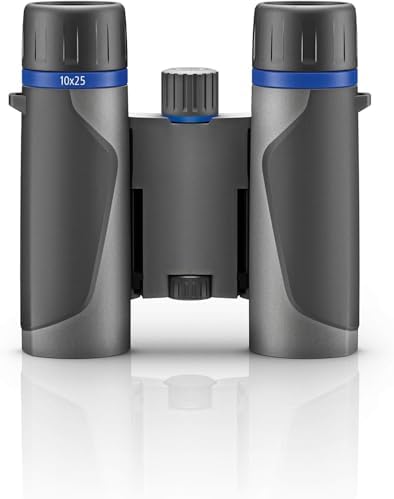
- COMPACT HIGH POWERED 8X VIEWING: Designed for adults needing strong detail in a portable format. Ideal for outdoor users…
- LIGHTWEIGHT FOR DAILY CARRY: Built to support comfortable use during long outings. A strong option for those seeking lig…
- GREAT FOR TRAVEL & ADVENTURE: Sized for convenience when space is limited. Fits naturally into small bags or jacket pock…
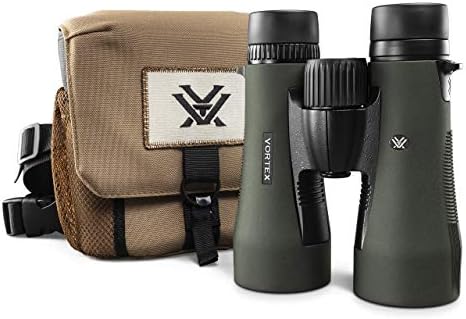
- 12x magnification & 50mm objective lenses, these Diamondback HD binos are optimized with select glass elements to delive…
- Fully multi-coated lenses increase light transmission with anti-reflective coatings on all air-to-glass surfaces. Dielec…
- Adjustable eyecups twist up and down for comfortable viewing with or without eyeglasses. Center focus wheel adjusts the …
In conclusion, with the right research and understanding of your individual needs, you can confidently select the perfect pair of binoculars to accompany you on your outdoor excursions. Explore and enjoy the great outdoors with the assurance that you have equipped yourself with the tools necessary for an enriching experience.
As an Amazon Associate, I earn from qualifying purchases.