Introduction to Baby Monitors
The concept of baby monitors has evolved significantly, transforming into an indispensable tool for modern parents seeking peace of mind. At their core, baby monitors are devices designed to allow caregivers to keep an ear and, in some cases, a visual on their little ones while they are in another room. Initially introduced as simple audio devices that transmitted sound, baby monitors have evolved to include video capabilities, giving parents a more comprehensive way to monitor their children.
Today’s market offers a range of baby monitors, primarily categorized into two types: sound-only monitors and video monitors. Sound-only monitors operate as a basic listening device, allowing parents to hear any cries or noises coming from the baby’s room. These monitors are typically more affordable and easier to use, making them a popular choice for those who prefer a straightforward approach to monitoring their infants.
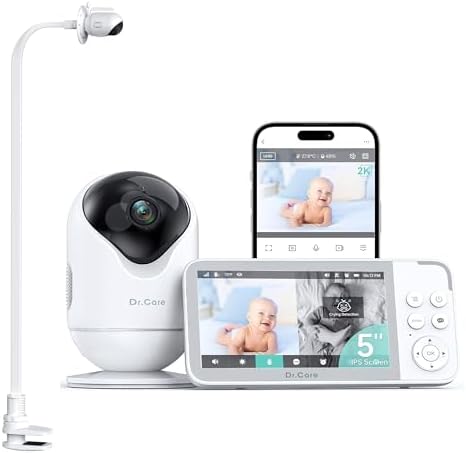


On the other hand, video monitors provide a visual component that allows parents to see their baby in real-time. This type of monitor often comes equipped with various features, such as night vision, two-way audio, and motion sensing, enhancing the overall monitoring experience. Video baby monitors enable parents to observe their sleeping infants without physically entering the room, which can prevent disturbances and thereby improve sleep quality for both parents and babies.
The benefits of utilizing baby monitors extend beyond mere convenience. They offer peace of mind for parents, particularly during the early stages of a child’s life when frequent checks are needed. By having a reliable monitoring system in place, caregivers can engage in other household activities, knowing they will hear or see any signs of distress from their child. This crucial element of safety significantly contributes to the overall well-being of both parent and child, reinforcing the notion that the right baby monitor truly acts as every parent’s best friend.
The Importance of Monitoring Your Baby
Monitoring your baby is a critical aspect of parenting, especially when it comes to ensuring their safety during sleep. During the early months, infants spend a significant amount of time sleeping, and this is when parents often feel the most anxious. A reliable baby monitor serves as an invaluable tool, allowing caregivers to keep a watchful eye on their little ones without needing to be physically present in the same room.
Statistics indicate that approximately 3,500 infants in the United States suffer from sudden infant death syndrome (SIDS) each year, making it imperative for parents to take precautions while their babies sleep. The fear of unexpected incidents can be overwhelming, leading to increased anxiety for many parents. However, the use of baby monitors can significantly alleviate this concern. These devices not only provide real-time audio and video feedback, but many models also offer temperature and movement detection, helping parents to maintain a safe sleeping environment.
Furthermore, baby monitors enable parents to engage in essential household tasks or take moments for self-care while still being alerted to any signs of distress. This dual capacity to monitor a baby’s safety and affording parents some much-needed freedom highlights the vital role that these devices play. Beyond convenience, a baby monitor can foster a sense of security and peace of mind by ensuring that any potential issues can be promptly addressed.
Incorporating a baby monitor into your parenting routine is not just a technological choice; it’s a proactive approach to safeguarding your child’s well-being. By understanding the importance of vigilance during sleep, parents can create a control mechanism that prioritizes their baby’s safety while allowing themselves to navigate daily responsibilities.
Features to Look for in a Baby Monitor
When selecting the ideal baby monitor, parents must consider several essential features to ensure they can provide effective and comprehensive care for their child. First and foremost, audio and video quality are crucial. A monitor with high-definition video and clear sound quality allows parents to observe their baby’s actions and respond promptly, ensuring a safer environment.


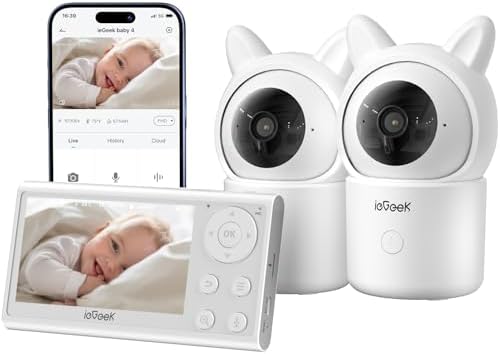
Another important feature is the range of the monitor. Depending on the home layout, parents should choose a model that offers a sufficient range to ensure they can maintain a connection throughout the house without interference. Additionally, battery life is vital; parents should opt for monitors that support long-lasting battery life and include alerts for low battery, promoting peace of mind during nighttime use.
Connectivity options also play a significant role in a baby monitor’s functionality. Some models are Wi-Fi-enabled, allowing access from smartphones or tablets, enhancing remote monitoring. Others may rely on non-Wi-Fi connections, which can be preferable for those concerned about online security risks. Understanding the pros and cons of each connectivity type is invaluable.
Furthermore, considering additional sensors can add value to your baby monitoring experience. Features like temperature and humidity sensors help maintain a suitable environment for the baby, giving parents data they can act on to ensure optimal comfort. Lastly, a user-friendly interface is essential for ease of use. Monitors should be intuitive and minimize the learning curve, allowing parents to focus on their child rather than navigating complex technology.
Benefits of Using a Baby Monitor
A baby monitor serves as an indispensable tool for parents, providing them with peace of mind while ensuring their child is safe and sound. The primary benefit of a baby monitor lies in its ability to enhance parental awareness regarding their baby’s activities. Whether parents are in another room or even outside the house, a reliable baby monitor allows them to keep a vigilant eye on their little one, ensuring that they can promptly attend to their needs.
One of the standout advantages of contemporary baby monitors is the convenience they offer through remote monitoring capabilities. Many modern baby monitors feature smartphone applications that allow parents to view live video feeds, listen to audio, and receive alerts about activity levels within the nursery. This not only offers parents flexibility but also instills a sense of reassurance, knowing they can check on their baby at any time with just a few taps on their device.
Additionally, baby monitors frequently come equipped with soothing features that can be used to calm children from a distance. For instance, many devices include built-in lullabies or white noise options, which can help promote a peaceful sleep environment. Furthermore, two-way communication capabilities enable parents to interact with their babies, whether to comfort them with a gentle voice or reassure them when they are feeling restless.
Overall, employing a baby monitor enhances the connection between parents and their child, making it possible to monitor and interact with babies effectively, all while offering parents the confidence that they are providing the best care possible.
Choosing Between Audio and Video Baby Monitors
When selecting a baby monitor, parents often find themselves weighing the benefits of audio-only monitors against those of video monitors. Each option presents distinct advantages and drawbacks, drawing on various factors such as budget, practicality, and personal preferences.
Audio-only monitors are typically more affordable than their video counterparts. They serve a straightforward purpose – to transmit sound from the baby’s room to the parent’s device. This simplicity can be appealing to many parents who seek a cost-effective solution. Additionally, audio monitors are often lighter and more portable, making them ideal for travel or for use in multiple areas of the home without the hassle of a complex setup.
However, audio-only monitors lack the visual component, which may inhibit parents’ ability to assess their baby’s well-being quickly. Parents relying solely on sound may find themselves straining to decipher whether their baby is fussing or simply repositioning. This aspect may lead to anxiety, as parents cannot visually confirm their child’s situation.
On the other hand, video monitors provide a comprehensive view of the baby, offering insights beyond what audio can relay. With features such as night vision and pan-tilt functionality, parents can monitor their baby’s activities with greater certainty. This increased visibility is especially beneficial during nighttime check-ins, allowing parents to maintain peace of mind while minimizing disruptions.
Conversely, video monitors tend to come at a higher price point and may require a more intricate installation process. They may also consume more power, necessitating regular recharging or electrical sourcing, which can be less convenient for some families.
Ultimately, the choice between audio and video baby monitors should be guided by individual family dynamics, budget constraints, and parental comfort levels. Balancing these elements can lead parents to select a baby monitor that best suits their lifestyle while ensuring safety and reassurance for their little ones.
Smart Baby Monitors: The Future of Infant Monitoring
In recent years, smart baby monitors have emerged as a game-changing innovation in the realm of infant monitoring. These technologically advanced devices extend far beyond traditional monitoring methods, offering features that cater to modern parenting needs. Smart baby monitors are equipped with sensors and connectivity options that allow them to integrate seamlessly with home automation systems. This technological integration provides parents with a comprehensive monitoring solution that enhances convenience and security.
One of the defining features of smart baby monitors is their ability to send real-time alerts to parents’ smartphones. When integrated with mobile applications, these monitors can notify caregivers of various conditions — from sound detection, to changes in room temperature, and even the baby’s breathing patterns. Such immediate notifications ensure that parents remain informed about their child’s well-being, regardless of where they are in the house or even outside it.
Moreover, many smart baby monitors include high-definition video streaming capabilities. This advanced feature allows parents to visually monitor their infants in real-time through their mobile devices or tablets, thus offering an added layer of reassurance. The night vision capabilities of these devices further enhance this monitoring, allowing parents to check on their babies even in low-light conditions.
Another notable benefit is the potential for two-way communication, allowing parents to soothe their little ones with their voice from another room. Such functionality reinforces the bond between parent and child, irrespective of the physical distance. As concerns around child safety and security grow, investing in a smart baby monitor becomes not just advisable, but essential for parents seeking peace of mind.
Conclusion: Making the Right Choice
As we have explored throughout this post, selecting the appropriate baby monitor is a vital aspect of modern parenting. The right device not only provides real-time insights into your infant’s wellbeing but also fosters a sense of security among parents, allowing them to attend to other responsibilities while keeping a vigilant watch on their little ones.
We discussed various types of baby monitors, each catering to unique needs and preferences, from audio-only monitors to advanced video options with smartphone connectivity. This range of choices underscores the importance of understanding your family’s specific requirements. Factors such as range, battery life, and additional features can make a significant difference in your experience and level of comfort.
Moreover, investing in a quality baby monitor can enhance your peace of mind, knowing that you are equipped with the best tools to ensure your child’s safety and comfort. It empowers you to confidently step away for short periods while still maintaining a connection to your baby. The insights gained from thorough research will enable you to find a monitor tailored to your needs, navigating the myriad of options available in the market.
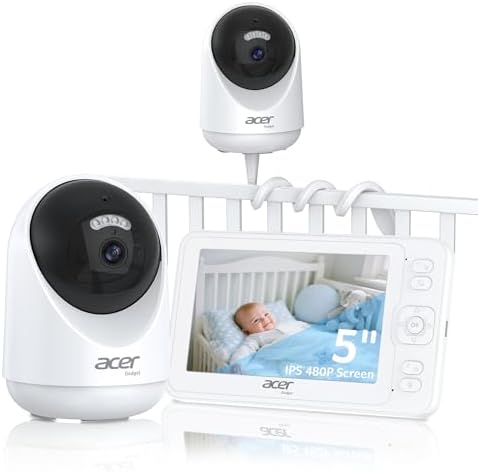

In summary, approaching the selection process with careful consideration will help you determine the monitor that offers the best fit for you and your baby. With the right baby monitor, parents can enjoy the reassurance that they are actively involved in their child’s care, leading to a more balanced and fulfilling parenting experience.
As an Amazon Associate, I earn from qualifying purchases.